


Remodeling your home shouldn’t include surprises, but sometimes it does. Anyone who’s ever opened a wall or removed old flooring knows that unseen problems can turn a clean renovation job into a more complex project. In Eastern Iowa, we’re fortunate not to deal with many extreme issues, but we do see enough home remodeling issues that owners should be aware of them before a project begins.
Soft Floors | Water Damage | Deck Flashing | DIY | Asbestos or Lead Paint
In this article, we break down the two biggest categories of surprises: water‑related damage and previous work that wasn’t done right (DIY or low‑quality contractor work). We answer the key questions homeowners ask, explain how high‑quality contractors address these problems, and offer practical StraightTALK Remodeling Tips you can use before and during your next home renovation.
WATER ISSUES: The Silent Remodel Hold-up
1. Why do soft floors or moldy smells show up during a bathroom or kitchen remodel?
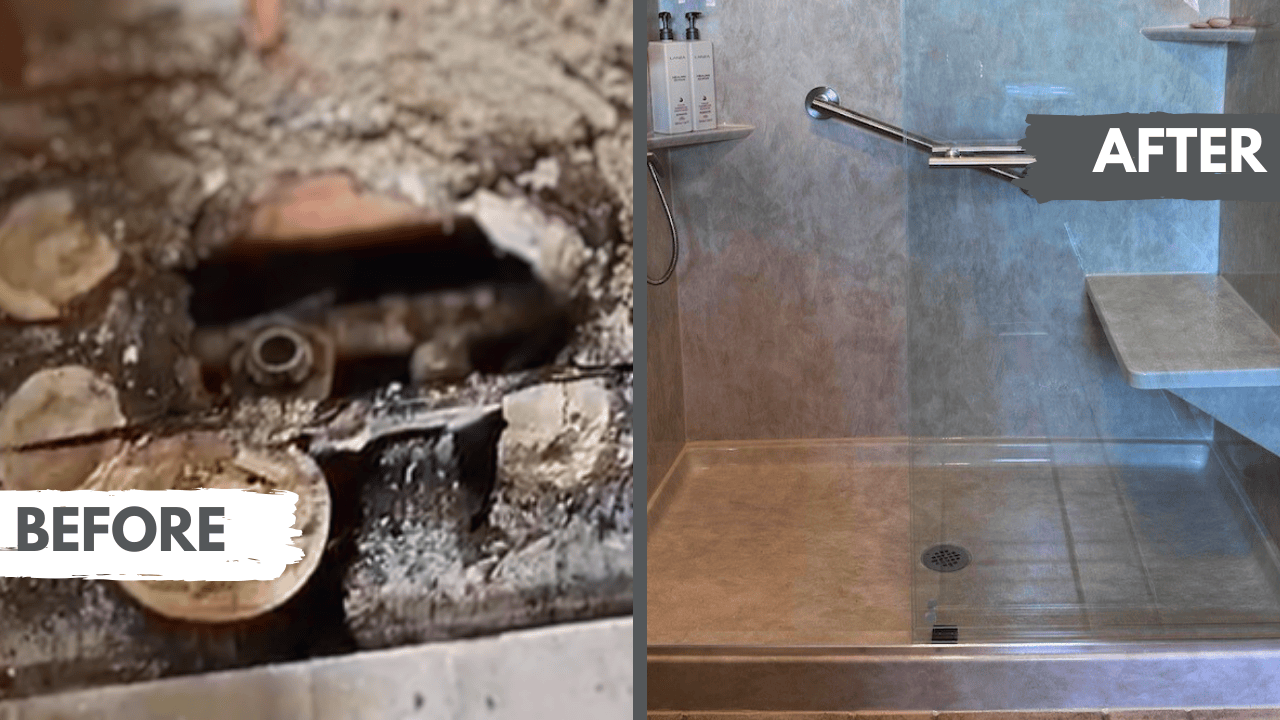
Soft floors and musty odors can appear during a remodel due to long-term water exposure. It typically is from slow, hidden leaks that have gone unnoticed for some time. A “soft floor” usually refers to subflooring that feels spongy, bouncy, or weak underfoot, because moisture is degrading the wood beneath. These issues are more common in bathrooms. In kitchens, leaks are usually more visible, such as under a sink or seeping out from under your refrigerator, and are caught earlier. But in both spaces, water can quietly cause damage beneath the surface, leading to structural surprises that only show up once the flooring is removed.
What’s Going On With Slow Water Leaks?
Slow leaks spring from:
- Shower pan drains
- Sink plumbing
- Toilets
- Poor waterproofing at wall junctions
Over time, even a slow, barely noticeable leak can allow moisture to seep into your subfloor. This is especially common in bathrooms, where water is used daily, and small failures (like a cracked tile, a loose toilet seal, or an unsealed tub flange) can create a pathway for water to travel. That moisture doesn’t just sit there; it soaks into the wood and starts a process of gradual deterioration. Eventually, this leads to wood rot, weakening the structural integrity of the subfloor and framing beneath.
Beyond structural concerns, moisture creates an ideal environment for mold growth. Mold thrives in damp, dark, enclosed spaces, and once it starts, it can spread quickly and often remains hidden until demolition begins. These are the kinds of issues that don’t show up during a basic home inspection, but they become unavoidable (and need immediate attention) during a remodel.
Sometimes the visible flooring appears fine until we remove it and see the damage beneath.
How We Address Slow Leak Damage
At Hometown Restyling, we don’t just patch over water damage; we address the full scope of the problem to prevent it from coming back. That starts with removing all compromised subflooring to assess the extent of the damage clearly. We identify and correct the source of the leak, whether it’s a faulty drain, plumbing connection, or failed seal, so the issue doesn’t resurface later.
From there, we rebuild using moisture-resistant materials. We also install waterproofing systems to create a barrier between your finished floor and any potential moisture below. We ensure every fixture is sealed and sloped correctly so water flows where it should, not into your structure. Depending on the scope of the damage and your project, this may require a change order and will most likely add time to your project. However, it will be well worth resolving the issue now rather than installing a new bathroom on top of a hazardous floor.
StraightTALK Remodeling Tip:
Don’t assume that new tile equals waterproof. Proper waterproofing and leak prevention are critical to avoiding recurring issues.
2. What causes water damage behind siding or around windows and doors?
Water damage behind siding or around windows and doors is almost always the result of water intrusion over time. We often uncover it during the exterior portion of replacing a door, window or siding. While everything may look fine from the outside, once the siding comes off, we sometimes find that water has been quietly seeping in around improperly sealed openings or through worn-out materials, slowly rotting the wood framing underneath.
This kind of hidden damage is especially common around windows and doors, where flashing may be missing, installed incorrectly, or simply failed due to age. Even small gaps in sealant or siding joints can allow rainwater and melting snow to penetrate, especially in wind-driven storms. But it’s not usually caused by one big event; it’s the result of years of exposure that builds up until the materials behind the exterior begin to break down.
Typical Causes of Water Damage
- Missing or improperly installed flashing
- Failed seals around windows and doors
- Improperly sealed siding joints
- Aging materials that let moisture creep in
Water intrusion often doesn’t show outward signs for years, until a renovation exposes deteriorated wood.
How We Address Water-Damaged Framing
At Hometown Restyling, we never cover over compromised framing or assume it’s “good enough.” Instead, we remove all rotted wood and rebuild it correctly so your home’s structure is solid and secure. We then install the appropriate flashing systems to direct water away from vulnerable areas. Our team takes the extra step to seal all transitions with long-lasting, color-matched materials that blend with your home’s exterior. And just as important, we follow the window and door manufacturers’ installation guidelines to the letter, so you’re protected now and for years down the road.
StraightTALK Remodeling Tip:
Good flashing and water barriers are essential. Make sure your contractor uses products and installation methods that meet building codes and manufacturer specs.
3. Could my deck be causing water damage to my house?
It might not look like it, but yes: your deck could be causing hidden water damage to your home. The connection point where your deck attaches to your house is one of the most common areas for water intrusion, especially if the flashing isn’t installed properly or has deteriorated. Flashing is a thin barrier that’s meant to direct water away from your home. When it’s missing, damaged, or installed incorrectly, rainwater can seep behind the board and into the wall. Over time, that moisture can rot the framing, creating structural issues that may not show up until much later, or until we open it up during a remodel.
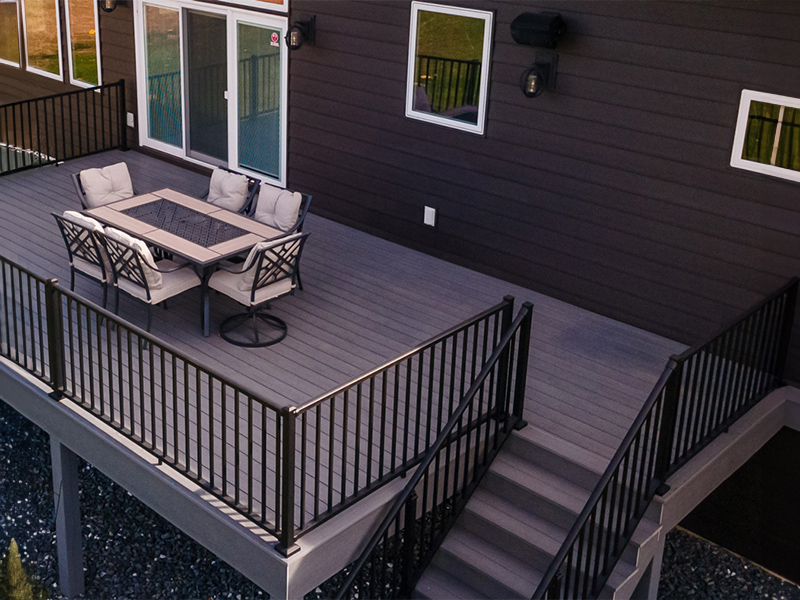
This kind of damage is surprisingly common in older decks or DIY builds where flashing was overlooked. But even well-built decks can fail over time if the flashing dries out, cracks, or pulls away from the siding. If you’re seeing water stains inside near where your deck is attached, or if the decking feels soft or bouncy along the house, it’s worth having it inspected. Decks are meant to be enjoyed, not to damage the home they’re attached to slowly.
What Goes Wrong with Deck Flashing
- Flashing wasn’t installed at all.
- Ledger board fasteners penetrate framing without proper protection.
- The flashing has dried out due to sun exposure.
- Improper overlap between house wrap and deck flashing.
The result? Water seeps into the rim joist and wall framing, causing rot that may not be apparent until renovation begins.
How We Address Weak or Non-existent Deck Flashing
At Hometown Restyling, we treat deck flashing as a critical component of protecting your home. If we find old, missing, or improperly installed flashing at the deck-to-house junction, we remove it and start fresh. We install code-compliant flashing that actively directs water away from your home’s framing. If there’s any rot or damage beneath the existing decking, we repair it before proceeding with new decking materials. We also ensure the new flashing is properly aligned with the house wrap and siding, creating a watertight barrier that functions together as a system.
PREVIOUS POOR WORK: When Past Fixes Cause Future Problems
4. What happens when you discover DIY or non‑code electrical or plumbing behind the walls?
When we discover DIY or non-code electrical or plumbing work behind the walls, it often means we’re looking at a part of the project that needs to be completely redone for safety. Homeowners usually assume that if everything has been “working fine,” it must have been done correctly. Still, once we open the walls during a remodel, we sometimes find a very different story. These hidden issues are especially common in older homes where handy homeowners or house flippers took shortcuts to save time or money. That might mean exposed wiring, spliced circuits without junction boxes, or plumbing not properly vented — all of which can pose serious safety or functionality concerns.
Common DIY Problems
- Improperly grounded electrical circuits
- Non‑code splice boxes hidden behind walls
- Incorrect plumbing connections
- Lack of venting in drain lines
- Flexible plumbing lines where rigid lines are required
Hidden behind-the-wall mistakes often create safety hazards, such as electrical fire risks or improperly vented plumbing. They’re also a common reason for failed inspections during permitted remodels, which can delay your project and add unexpected costs. Even if nothing goes wrong immediately, these issues can cause slow leaks or electrical shorts over time, leading to more damage and larger repairs down the road.
How We Address DIY Corrections
At Hometown Restyling, when we suspect there’s non-code work hiding behind the walls, we investigate. We carefully open up affected areas to assess the quality and safety of the wiring or plumbing. If we find anything that’s not up to code, we remove and replace it entirely. That includes fixing unsafe wiring, improper plumbing connections, or anything that could put your home at risk down the line. We often call it a “project within a project,” because it may be out of scope from our original estimate, but it’s the right thing to do for your home.
Once the existing work is out, we bring everything up to current building codes, obtain the necessary permits, and coordinate inspections as needed. Before we close anything up, we thoroughly test every system to ensure it’s safe, functional, and built to last. It’s not the fastest way to remodel, but it’s the right way. And while it will add time and cost to your remodeling project, it will also add peace of mind once the issues are corrected.
StraightTALK Remodeling Tip:
Not all DIY work is dangerous, but hidden electrical and plumbing shortcuts can be. Always have a licensed pro inspect and correct behind‑the‑wall systems before finishing your remodel.
5. What are some examples of subpar contractor work you uncover, and how do you deal with it?
Not all remodeling issues come from DIY projects. Sometimes, the problems we uncover are the result of a previous contractor cutting corners. This can be even more frustrating for homeowners, especially if the work looked fine on the surface. We’ve seen everything from structural framing that doesn’t meet code and subfloors that weren’t securely fastened, to insulation that was skipped in critical areas. Sometimes the electrical boxes aren’t flush with the wall, plumbing is run without proper slope or support, or fasteners are missing where they’re required for safety and stability.
These shortcuts may not cause immediate problems, which is why they often go unnoticed until a future remodel reveals them. But left unaddressed, they can lead to big issues like sagging floors, moisture problems, energy loss, or even safety hazards. When we run into this kind of work, we take the time to correct it, bring everything up to code, and ensure it passes inspection and stands the test of time. Fixing someone else’s shortcuts isn’t the fun part of remodeling, but it’s one of the most important ways we protect your home and investment.
Examples We’ve Seen of Subpar Work
- Framing that doesn’t meet code
- Insufficient insulation
- Improper fastening schedules
- Skipped blocking or bracing
- Inaccurate leveling that affects cabinetry or tile
These defects may not be attributable to water, but they become apparent once demolition begins.
How We Address Subpar Contractor Work
When we uncover poor workmanship by a previous contractor, we assess the full scope before moving forward. Our team consults structural requirements and local building codes to determine exactly what needs to be corrected. Whether it’s faulty framing, missing insulation, or improperly secured materials, we bring everything up to code before moving on with your project. If the situation requires permits or inspections, we handle the process as well. Only after the structure is sound and compliant do we proceed with finishes, because the work you don’t see is just as important as what you do.
StraightTALK Remodeling Tip:
Trustworthy contractors fix problems the right way, even if that means slowing down. Don’t let a contractor “work around” a structural issue.
6. What happens if you find asbestos or lead paint during demolition?
If we find asbestos or lead paint during demolition, the remodel can’t continue until those materials are safely handled. They are hazardous and tightly regulated. Homes built before the 1980s often contain asbestos in places like flooring adhesives, pipe insulation, duct wrap, and textured ceiling coatings. Similarly, lead-based paint was commonly used on walls, trim, and cabinetry until it was banned in residential use in 1978. When we’re working in older homes, we always stay alert to these risks.
Why It Matters
- Asbestos fibers can cause serious respiratory issues.
- Lead exposure is extremely dangerous, especially for children and pregnant adults.
While discovering these materials can cause delays, handling them properly protects both homeowners and our team and keeps the project compliant and safe from start to finish.
How We Address Asbestos and Lead Paint
When asbestos is suspected, we test the material right away. If it comes back positive, our in-house licensed abatement team follows strict safety procedures to contain the area, remove the material properly, and ensure all disposal meets state and federal guidelines.
With lead paint, we partner with a trusted, certified professional to assess and mitigate the hazard using EPA-compliant methods that minimize dust and exposure. These steps are critical, especially in homes with children or in households with individuals with health sensitivities.
StraightTALK Remodeling Tip:
If your house was built before 1980, ask your contractor about lead and asbestos testing before demolition starts.
StraightTALK Wrap‑Up + Bonus Issue
Here in Eastern Iowa, we don’t see much termite damage, but one recent job introduced a new category of hidden surprise: a beehive between the siding and the exterior wall.
When we opened up the wall during siding removal, we found an active hive tucked above the window framing. Because this wasn’t just a hazard but also a bee habitat, we took a moment to manage the situation carefully. Together with the homeowner, we:
- carefully extracted as much of the hive as we could
- protected ourselves and the home
- relocated as many of the bees as possible to a new environment
It was a unique experience, and a perfect example of why every remodel can yield surprises beyond water and construction issues.
StraightTALK Remodeling Moral:
You never know what you’ll find until you open it up, but a high‑quality contractor will handle surprises with safety and respect for your home (and sometimes even local wildlife).
Remodeling is an exciting process, but surprises are common. The key to avoiding stress, delays, and costly change orders is:
- Choose a contractor who inspects thoroughly
- Understand common hidden issues
- Be prepared to address problems correctly, not just quickly
- Prioritize safety and code compliance
And as we like to say here at Hometown Restyling:
“The cheapest remodeling project is the one you do once.”
If you’re planning a home renovation in Eastern Iowa, start with good information and a team that handles real-world surprises with care and craftsmanship. To read more about how quality contractors operate, check out: The Truth About Your Home Remodeling Warranty: Quality Control in Renovations.