
*Limited Time Offer* Up to $1,000 off Patio covers or Pergolas, or 0% Financing for 60 Months

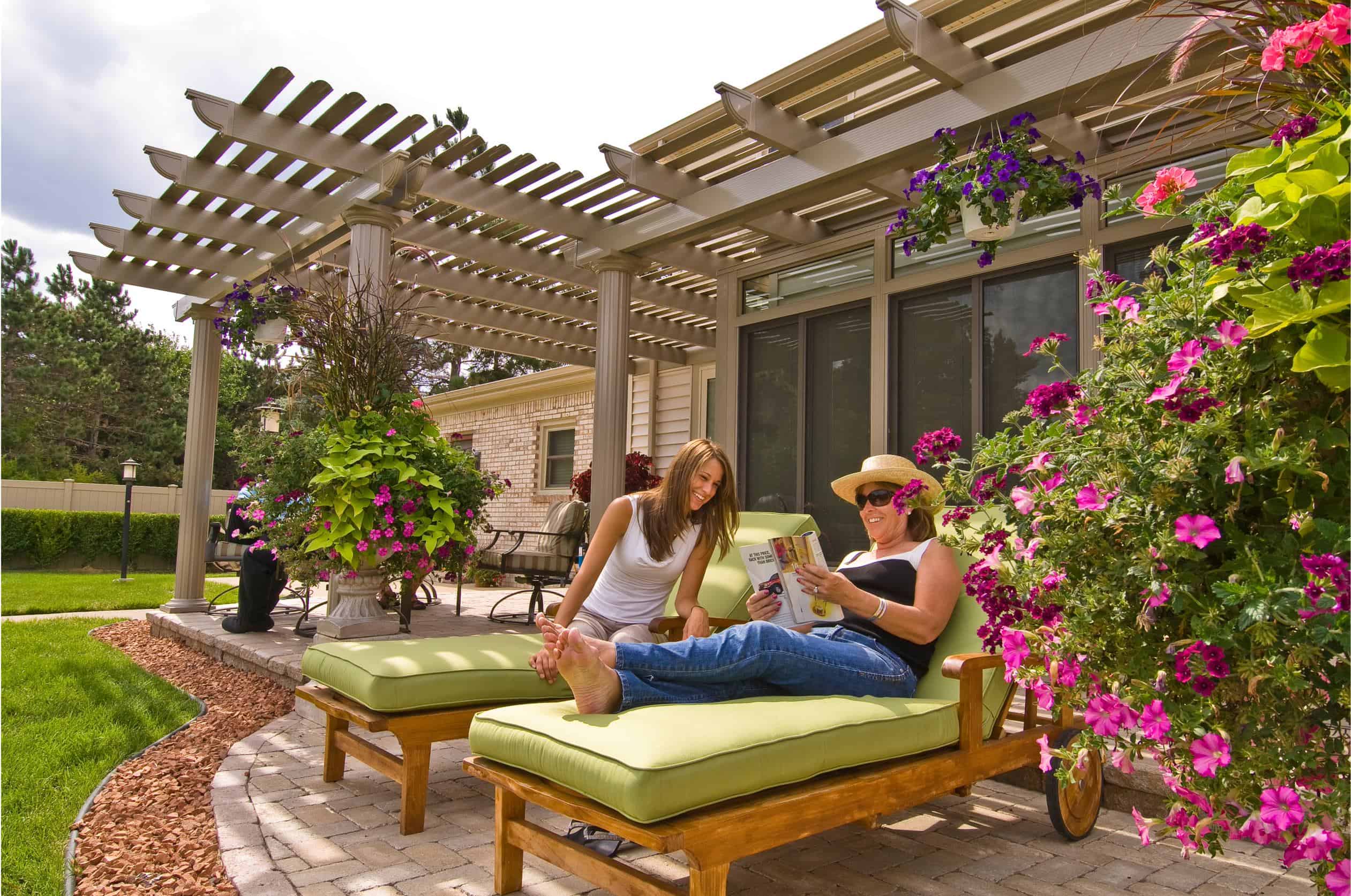
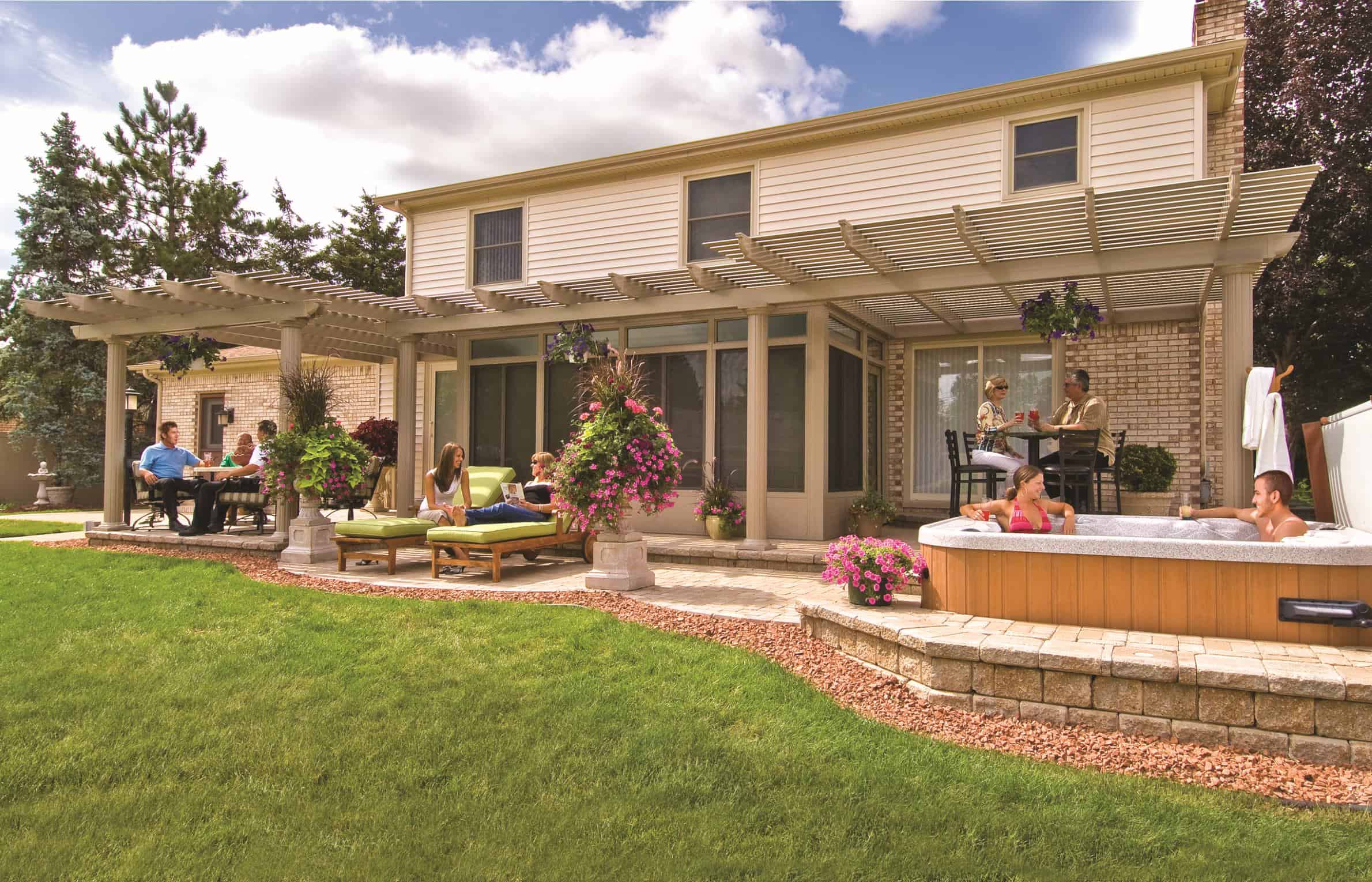
Make your time outdoors more enjoyable with a pergola or patio cover. Hometown Restyling is a trusted local home remodeling contractor that’s been helping homeowners in Cedar Rapids, Iowa City, and surrounding areas bring their dreams to life—both inside and outside the home—for 40 years. If you love spending time in your backyard but want a shaded, covered space to maximize your experience, a custom pergola or patio cover is an ideal solution.
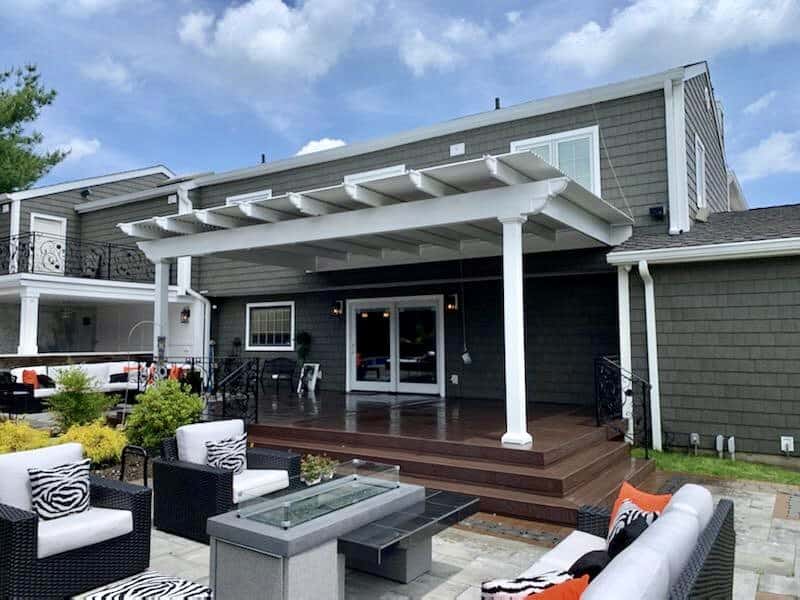
Hometown Restyling offers operable pergolas, the latest in pergola technology. These pergolas feature an innovative design with motorized roof panels that open and close with the touch of a button. On hot, sunny days or when sunny days unexpectedly become rainy, you can continue enjoying your time outdoors uninterrupted.
Whenever possible, Hometown Restyling uses employee labor to ensure top-quality work. We stand behind our work, offering lifetime workmanship warranties. Delivering exceptional service with a personal touch is our priority, from the time we arrive at your home to provide an estimate through the completion of the project and throughout the life of your pergola or patio cover.
Click the button below to start enjoying the outdoors from the comfortable shade of a custom pergola or patio cover.
Pergolas
Beautifully crafted covers that make elegant additions to your home.
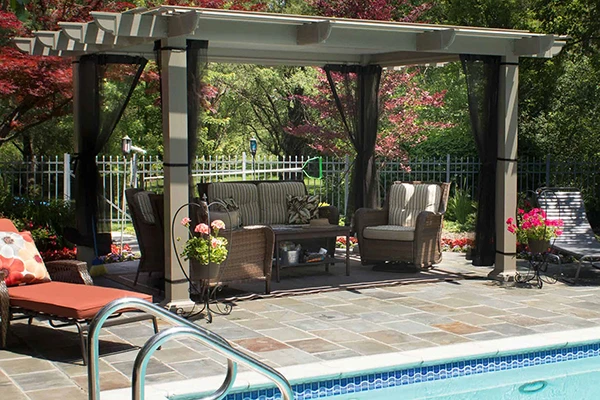
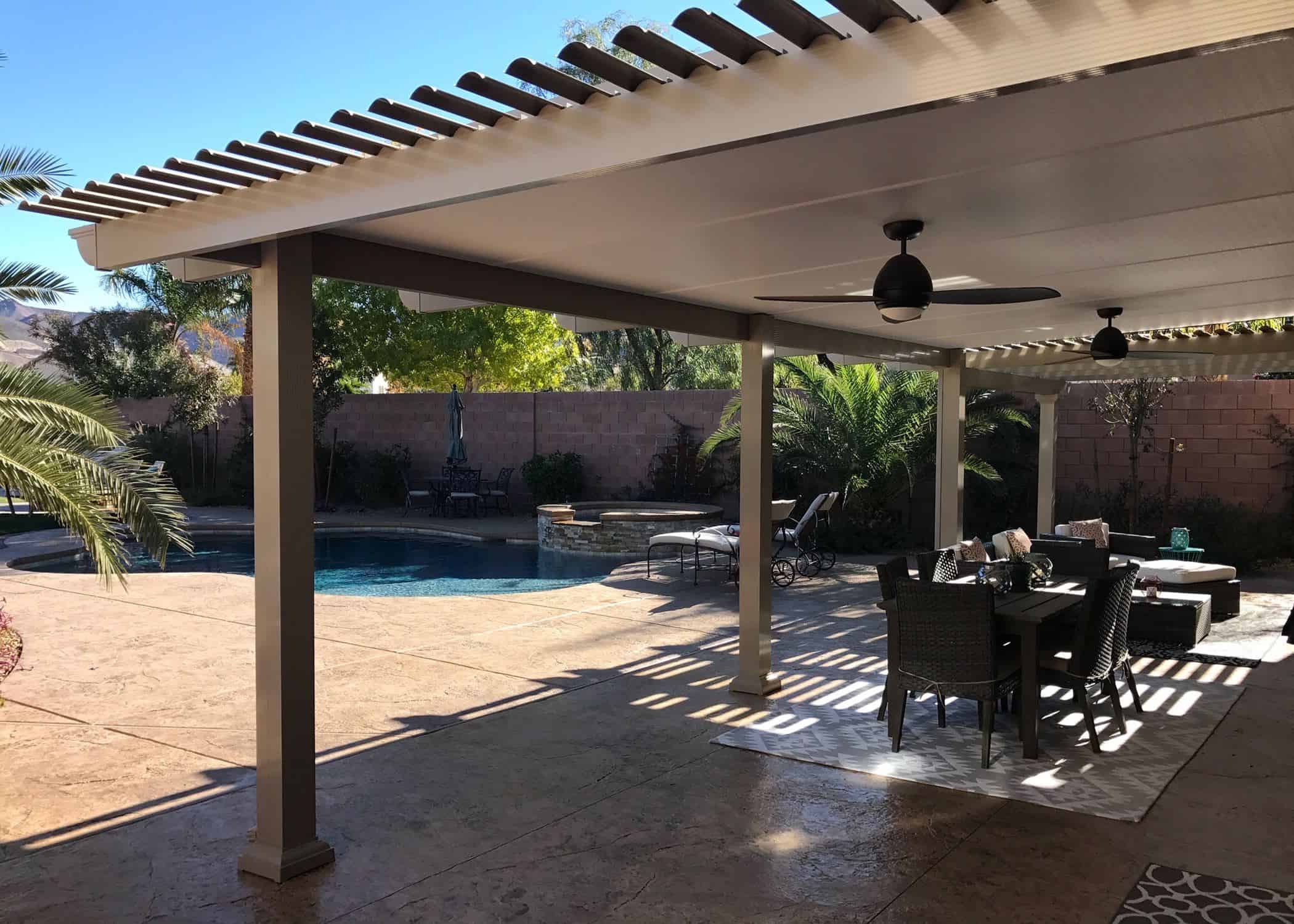
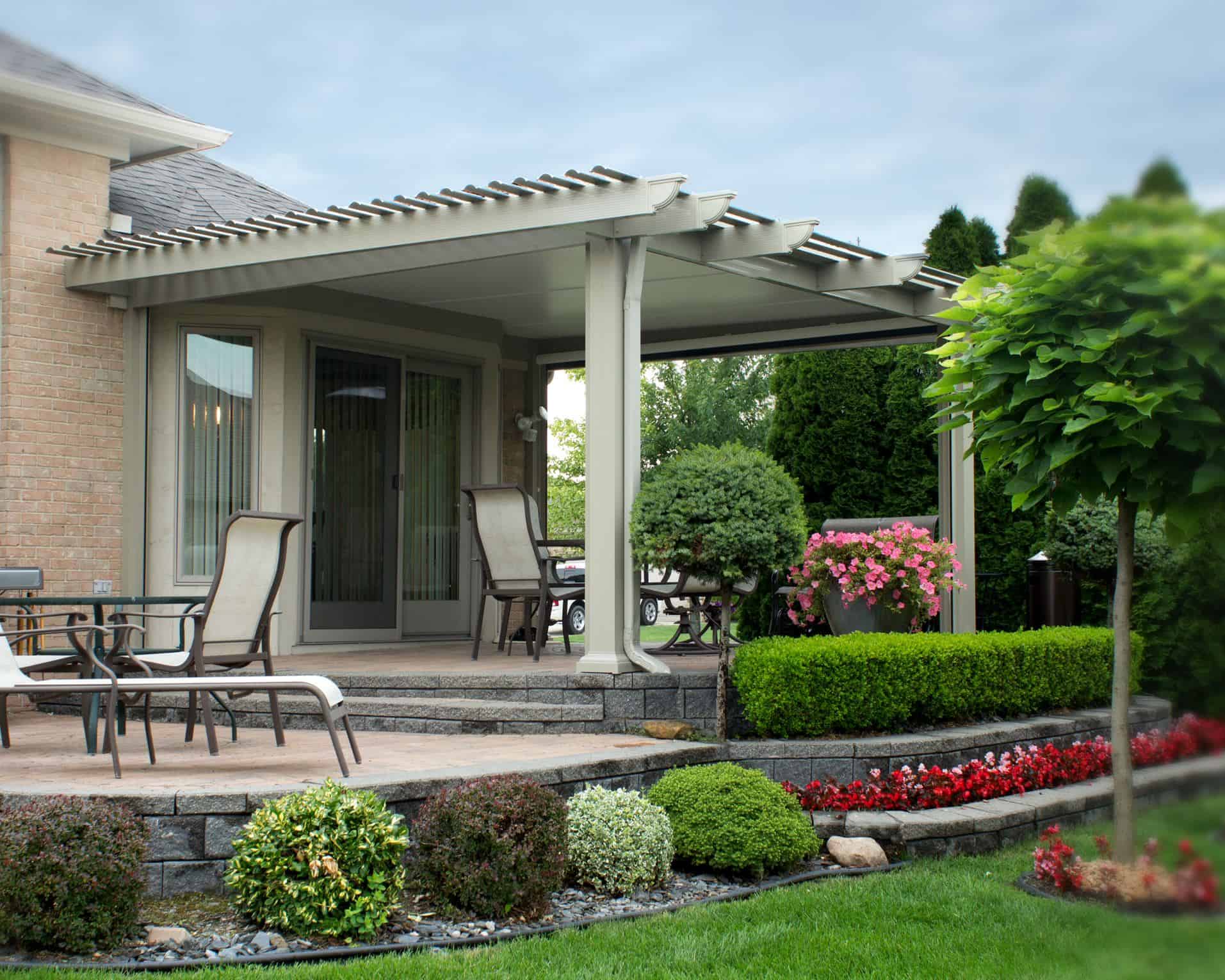
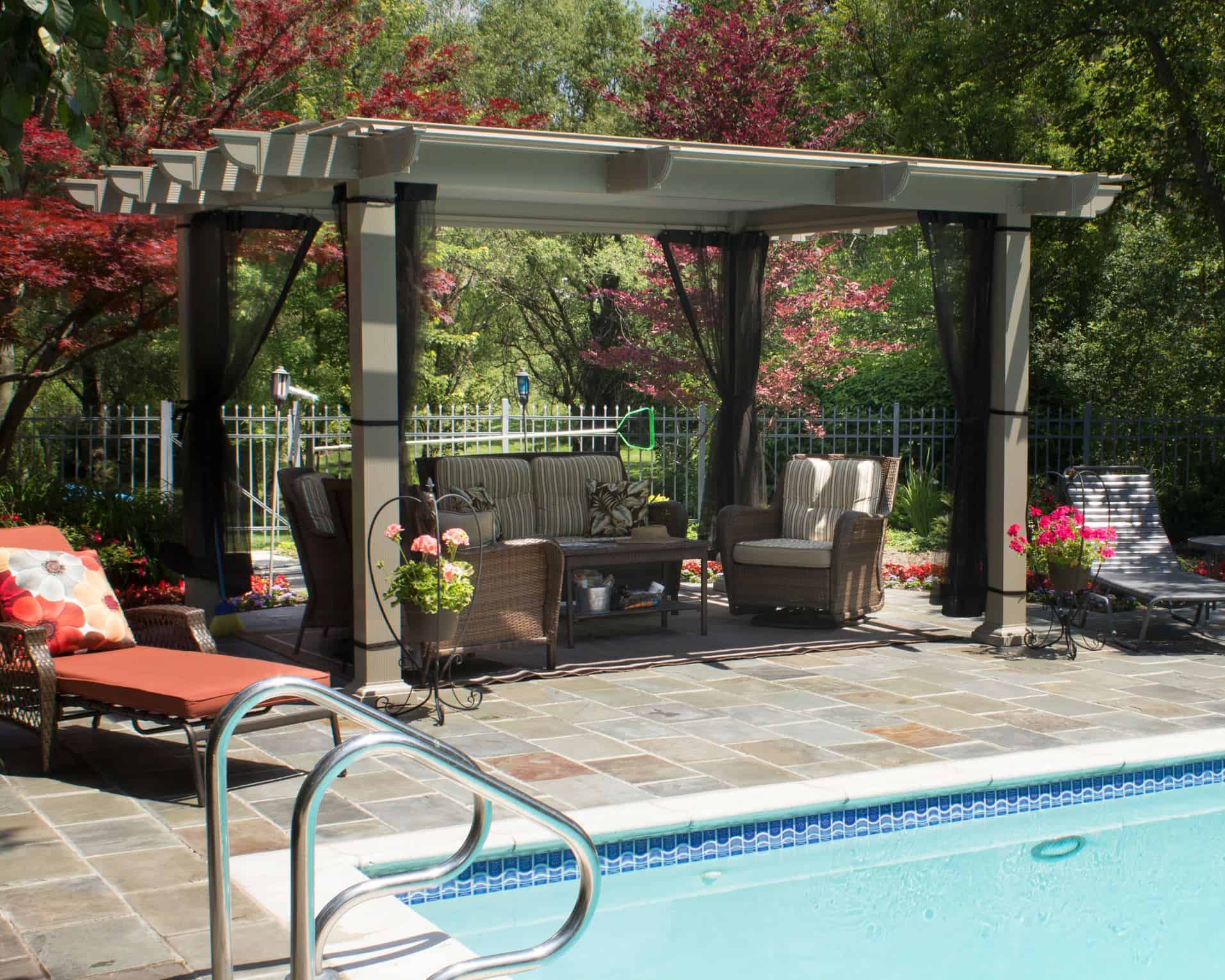
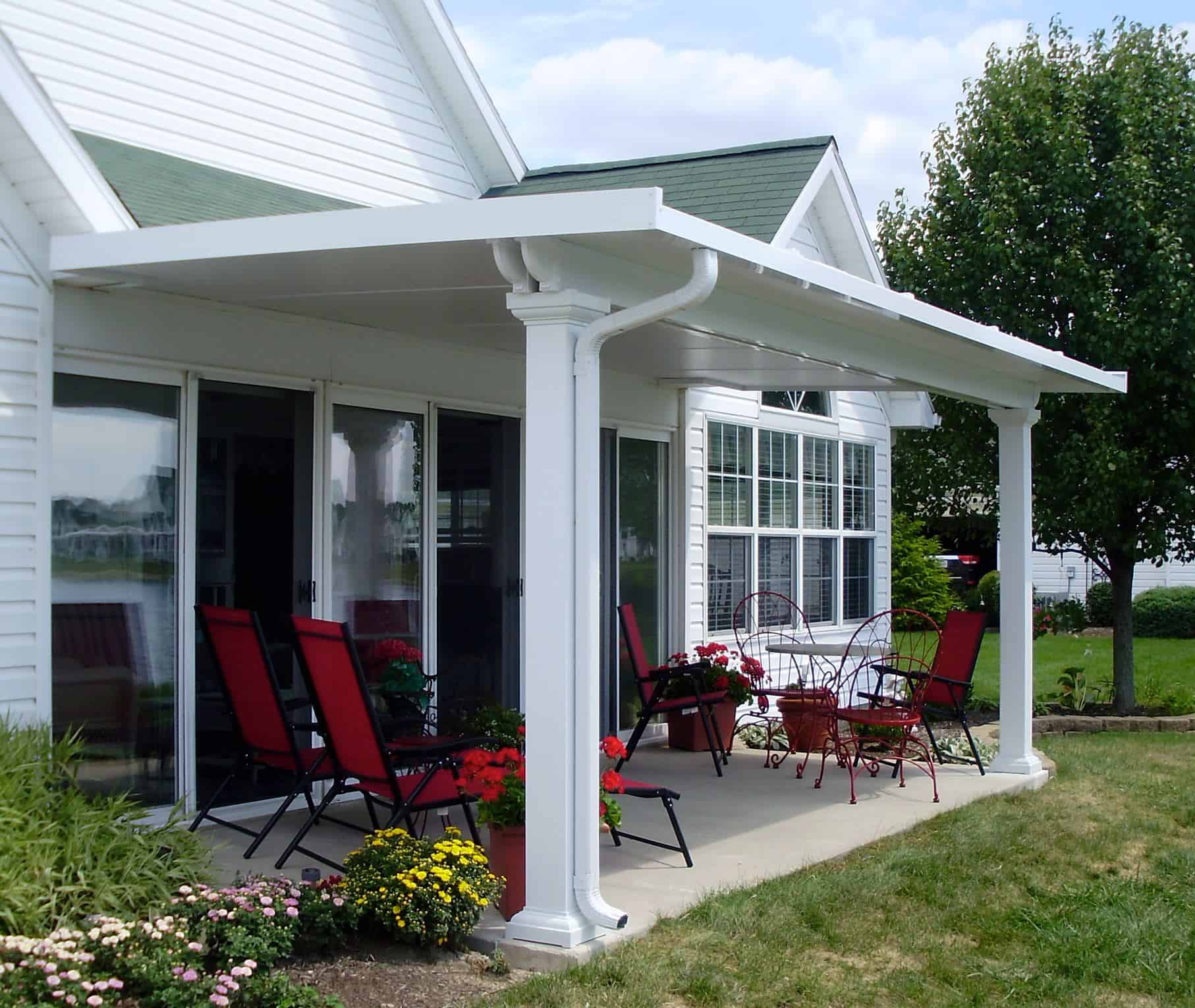
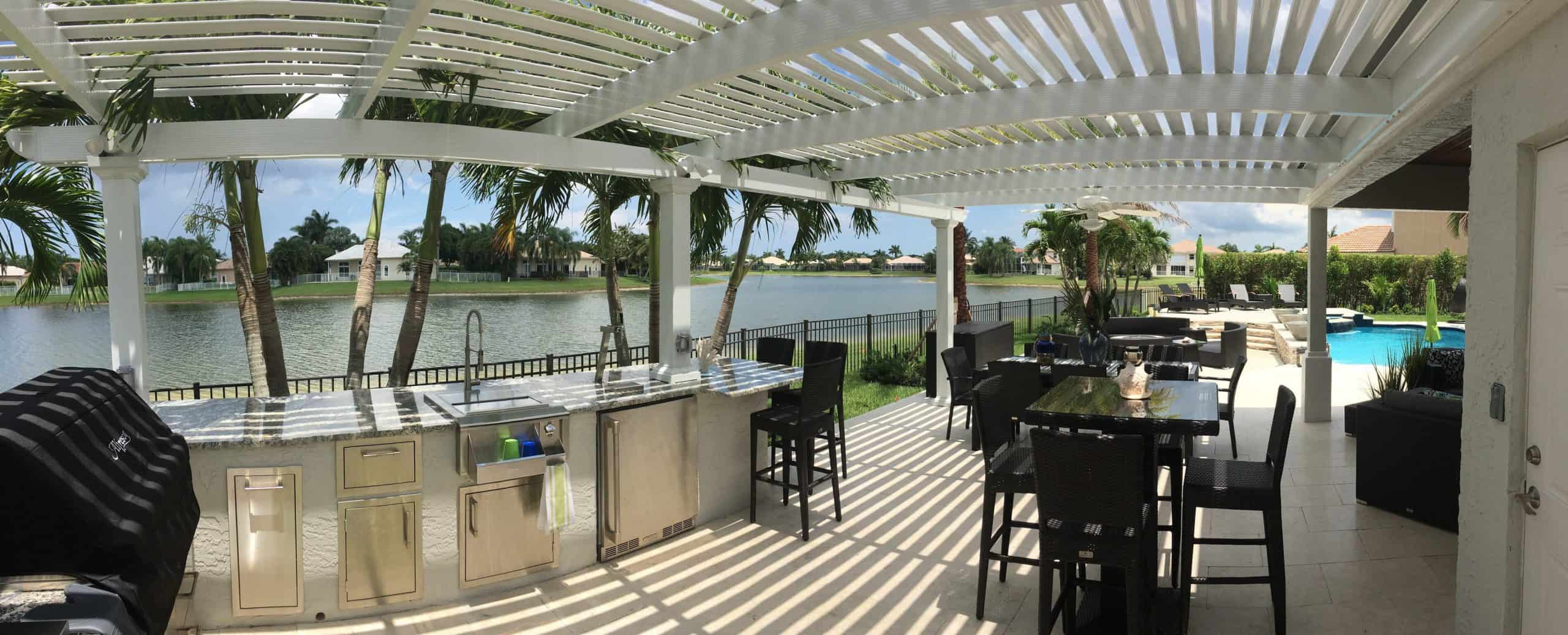
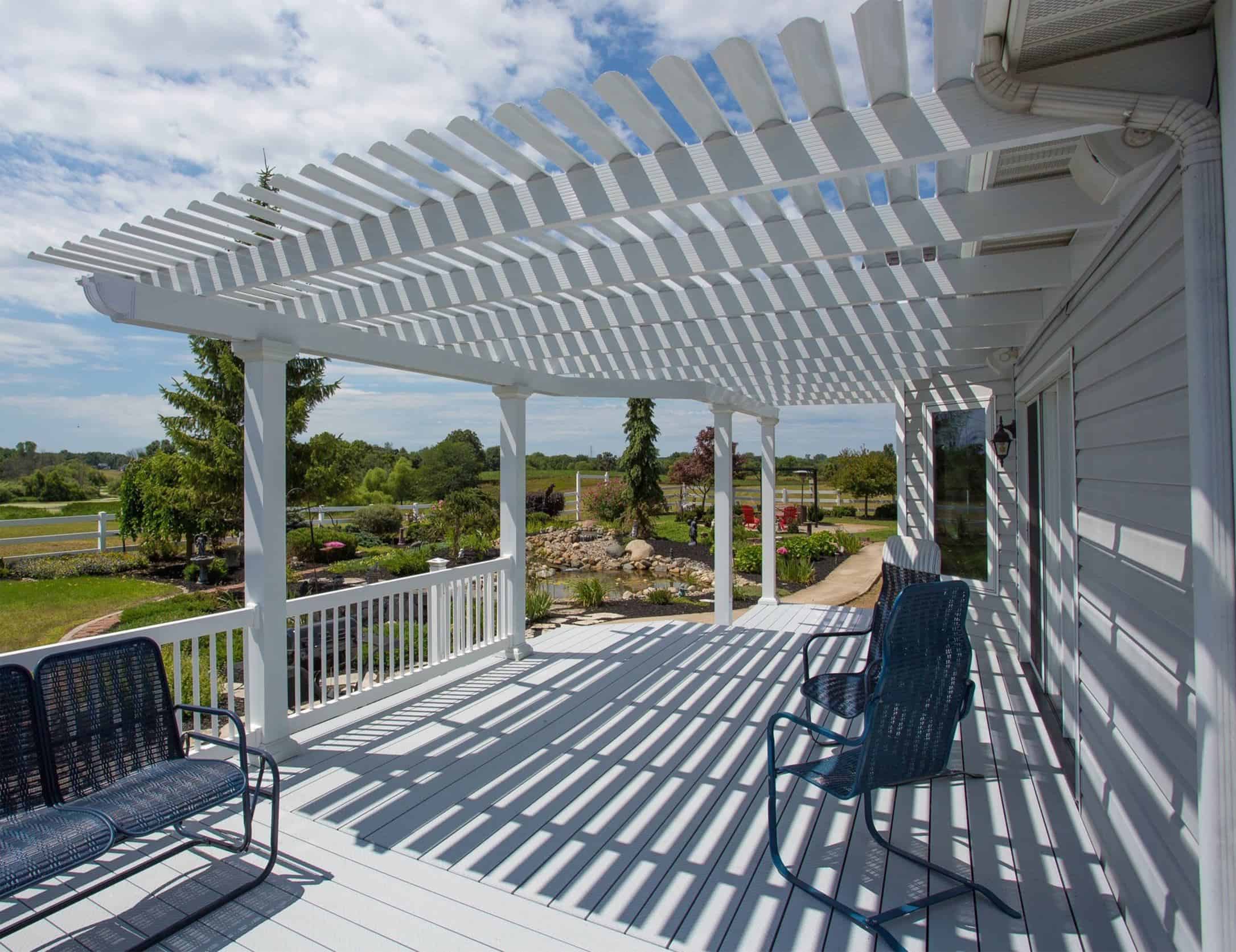
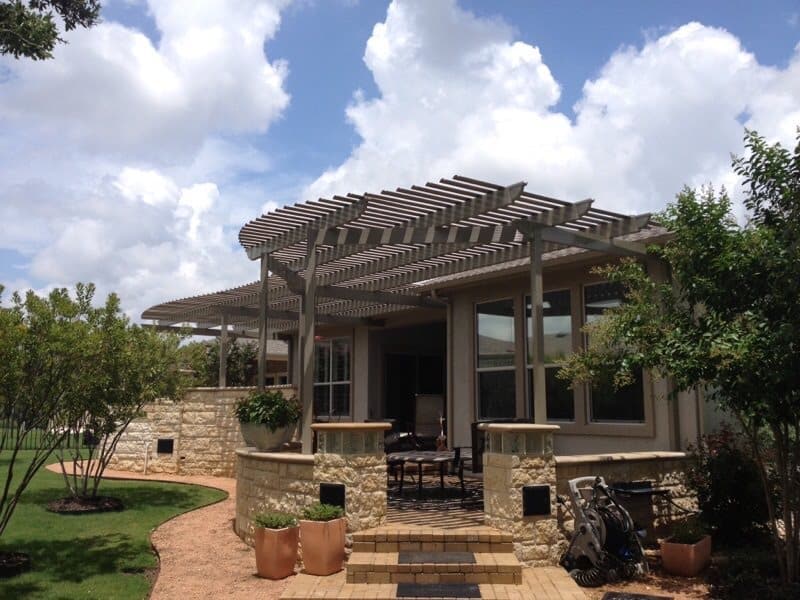
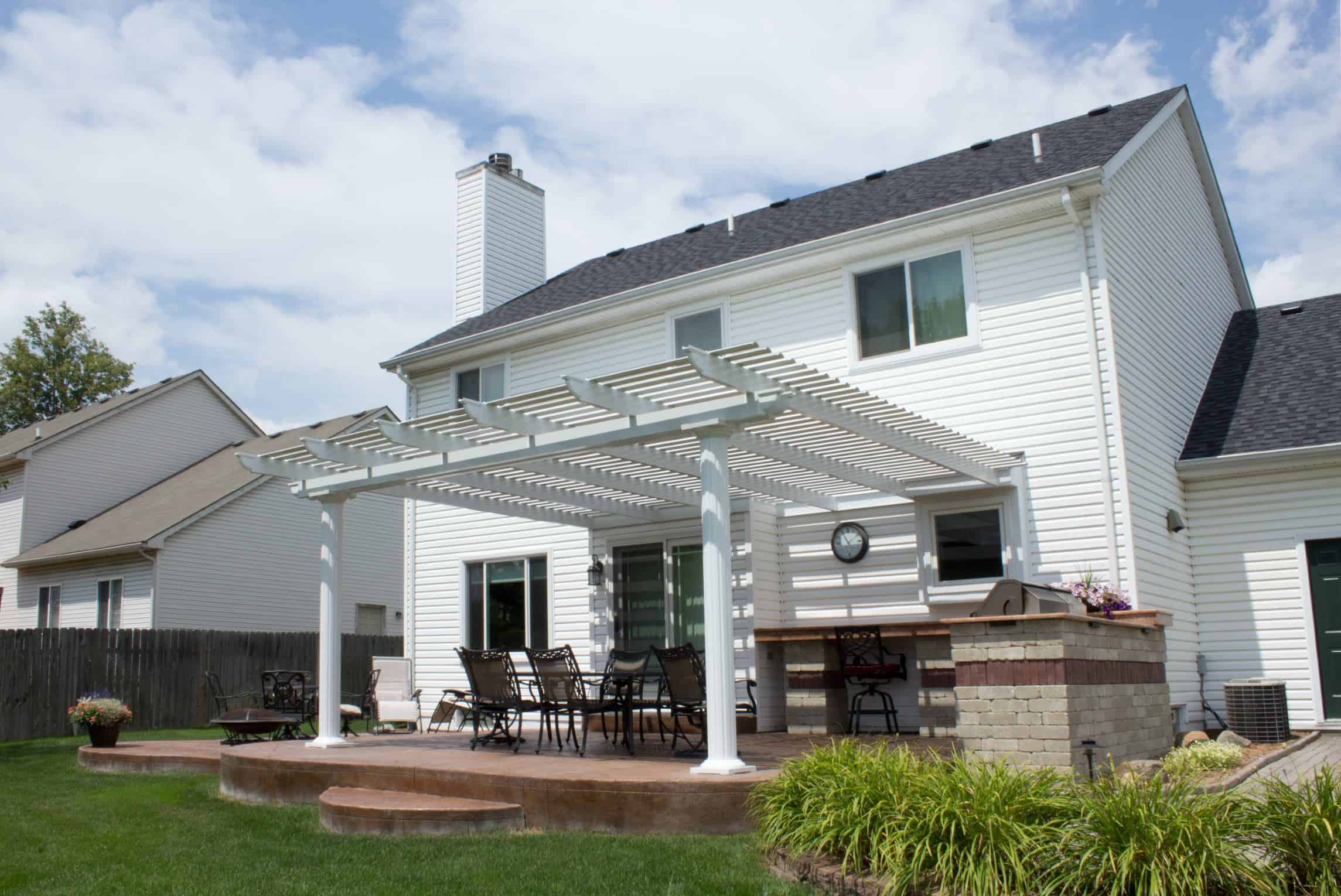
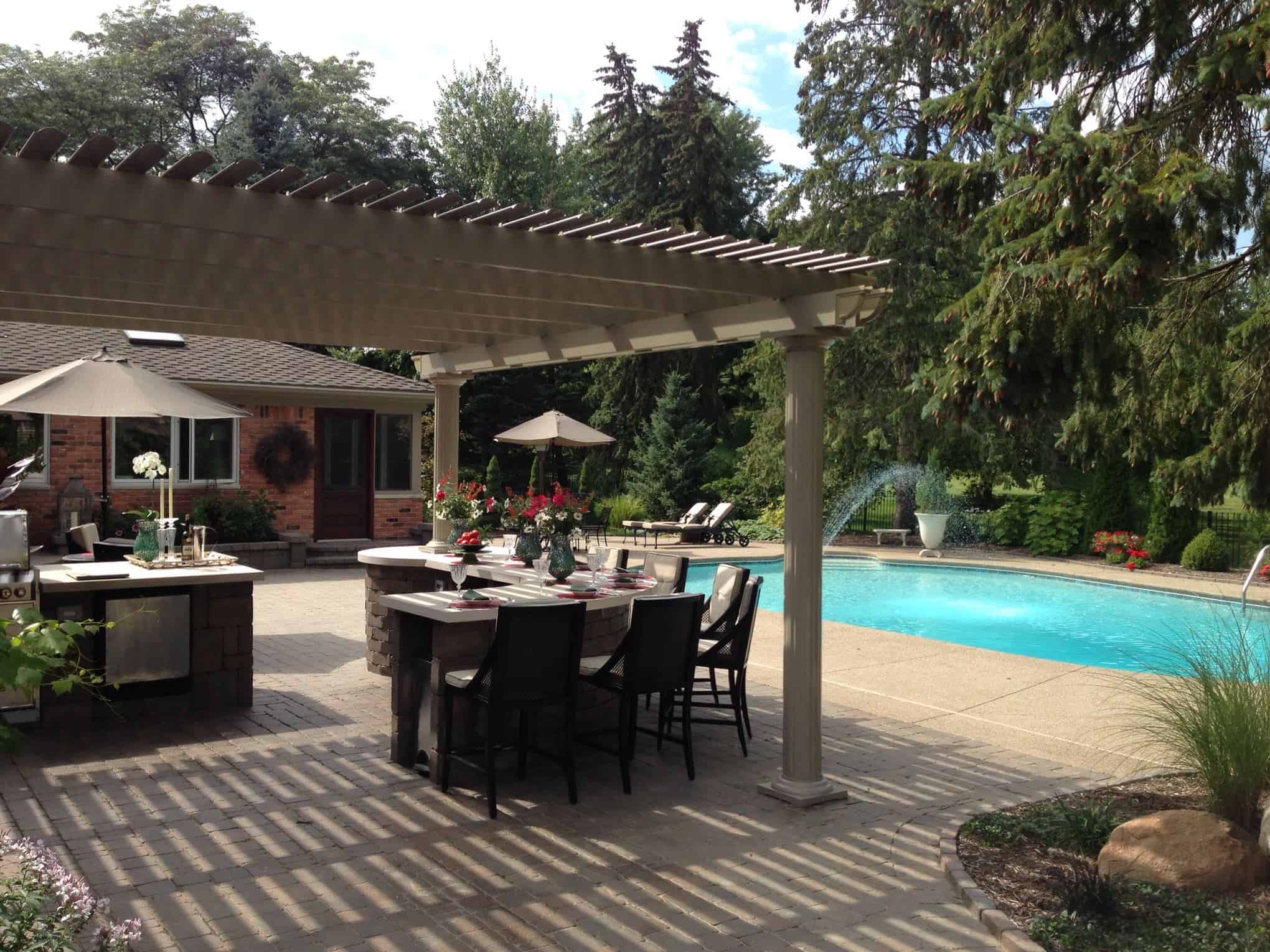
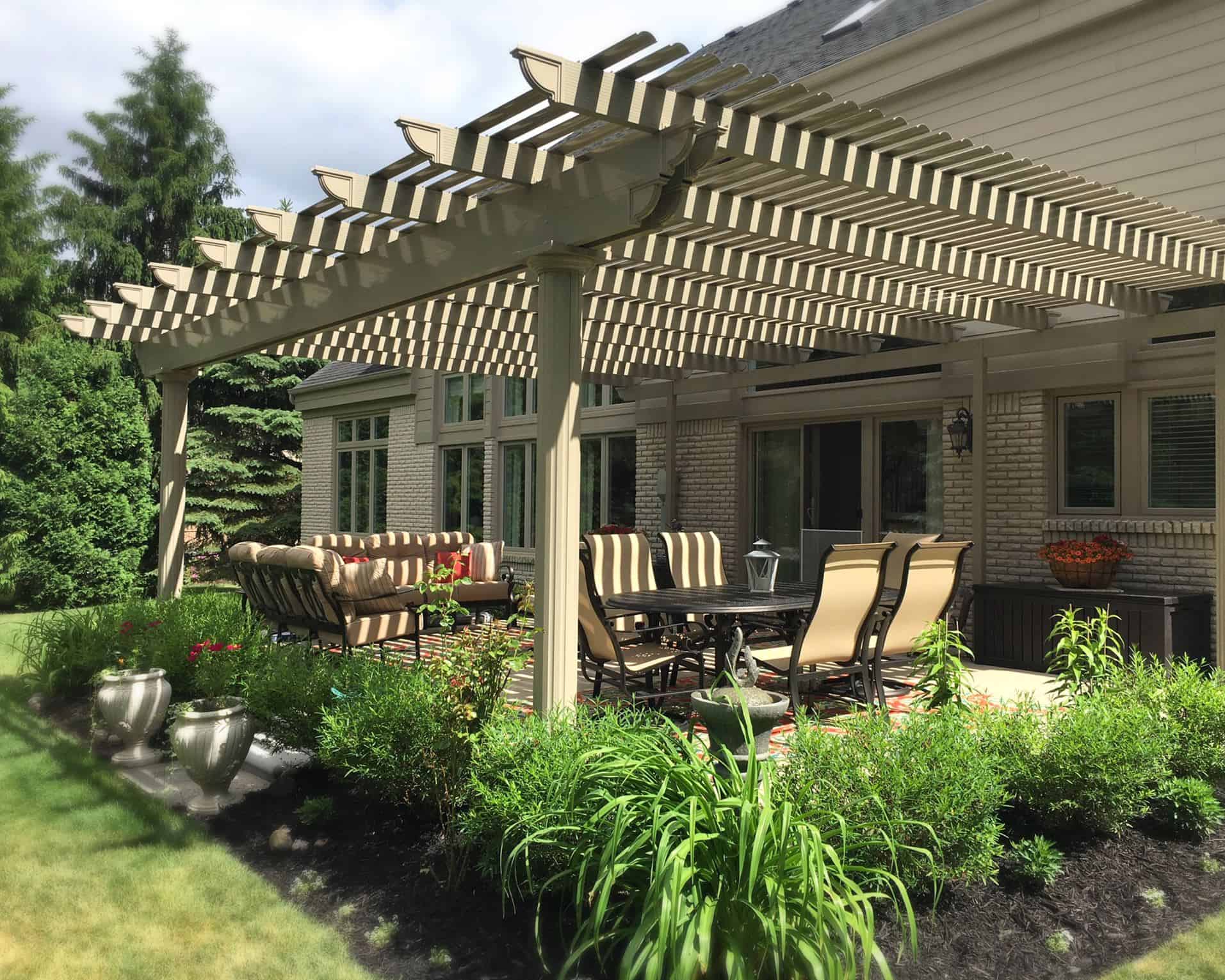
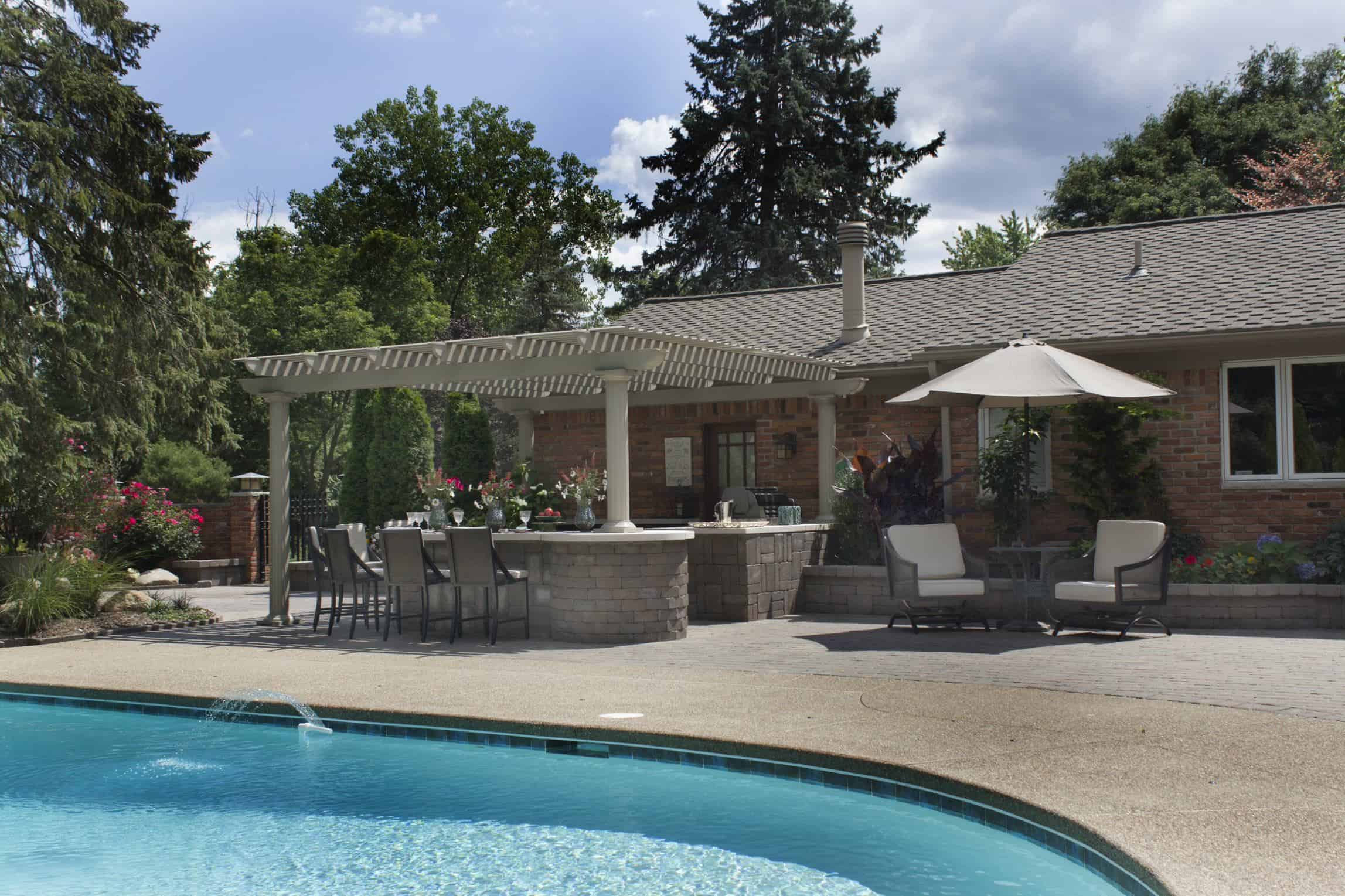
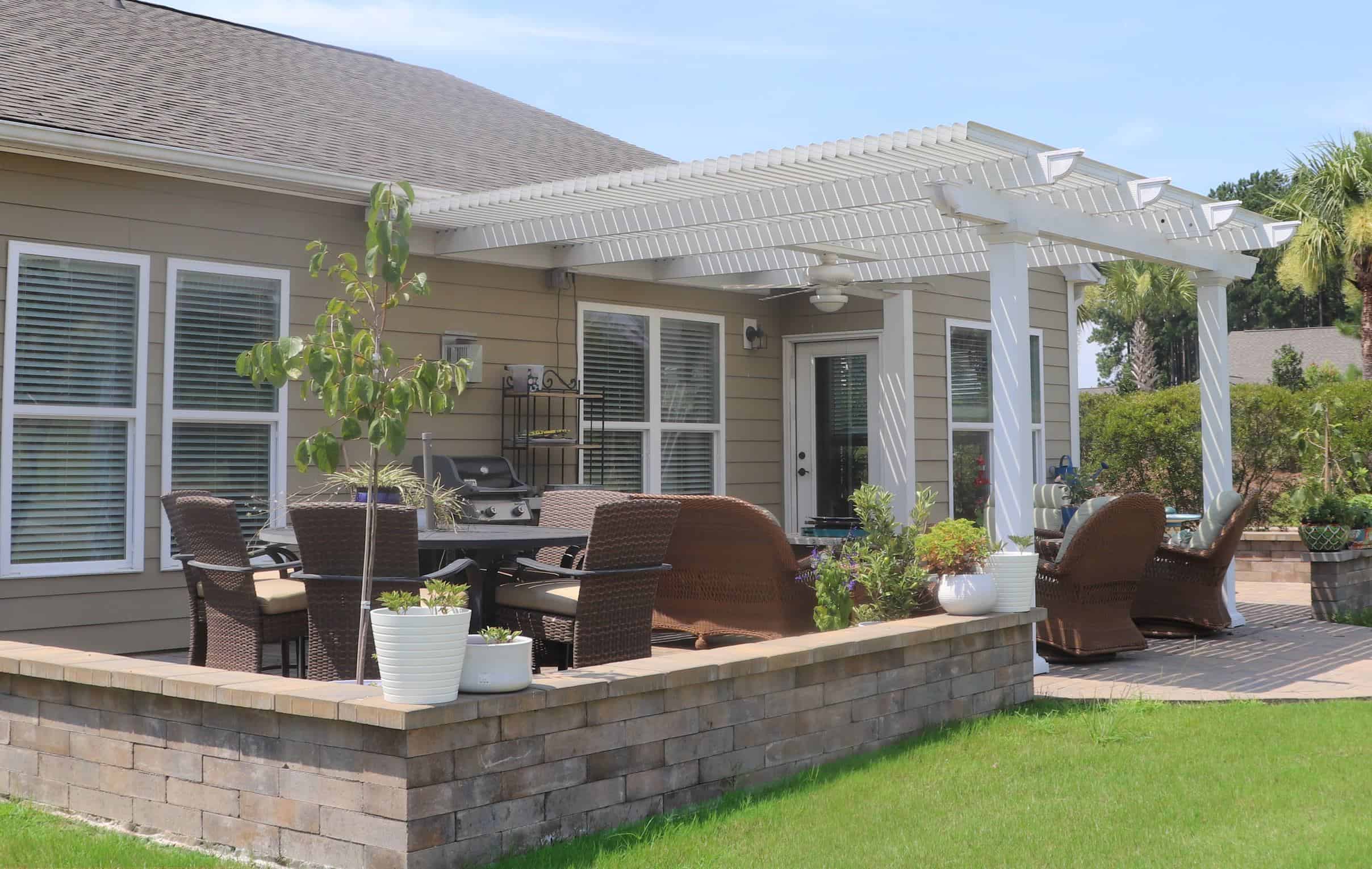
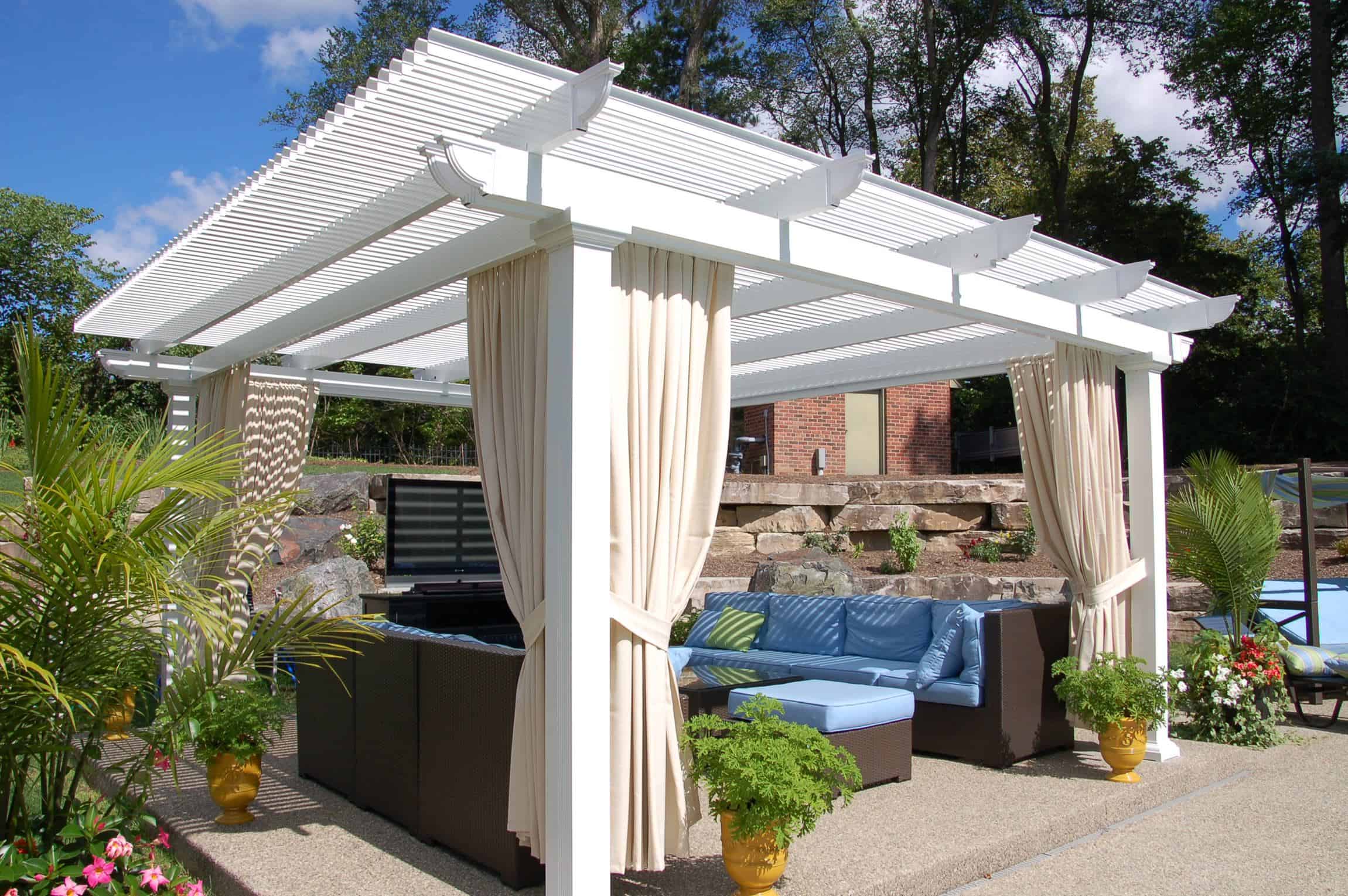
Our pergolas combine the classic style of Italian architecture with state-of-the-art building materials to add beauty and value to your home. We are proud to offer pergolas that require no annual upkeep and will continue looking beautiful for years to come.
Types of Pergolas:
Patio Covers
Visually appealing shade structures for your existing patio, deck, or driveway .
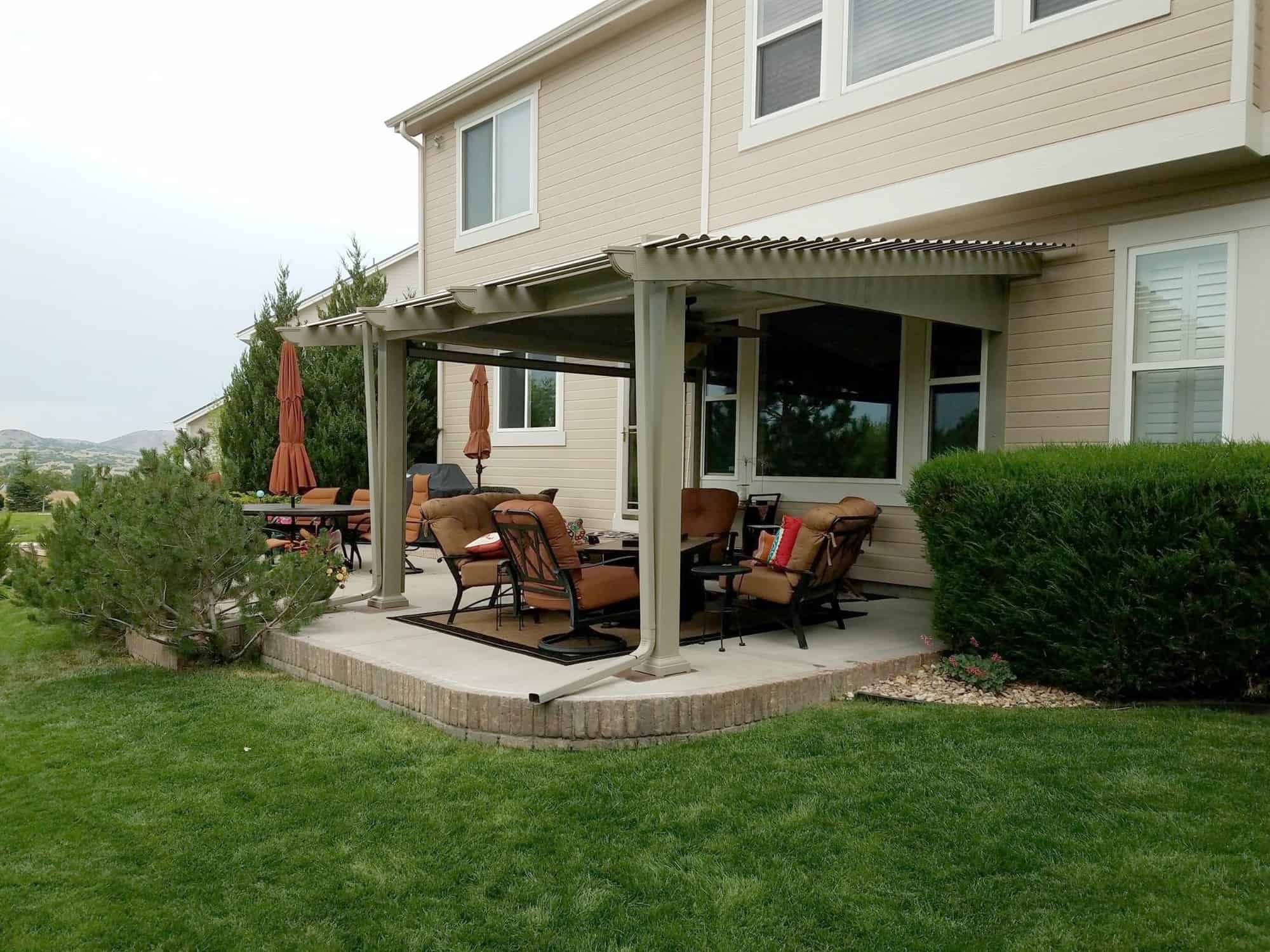
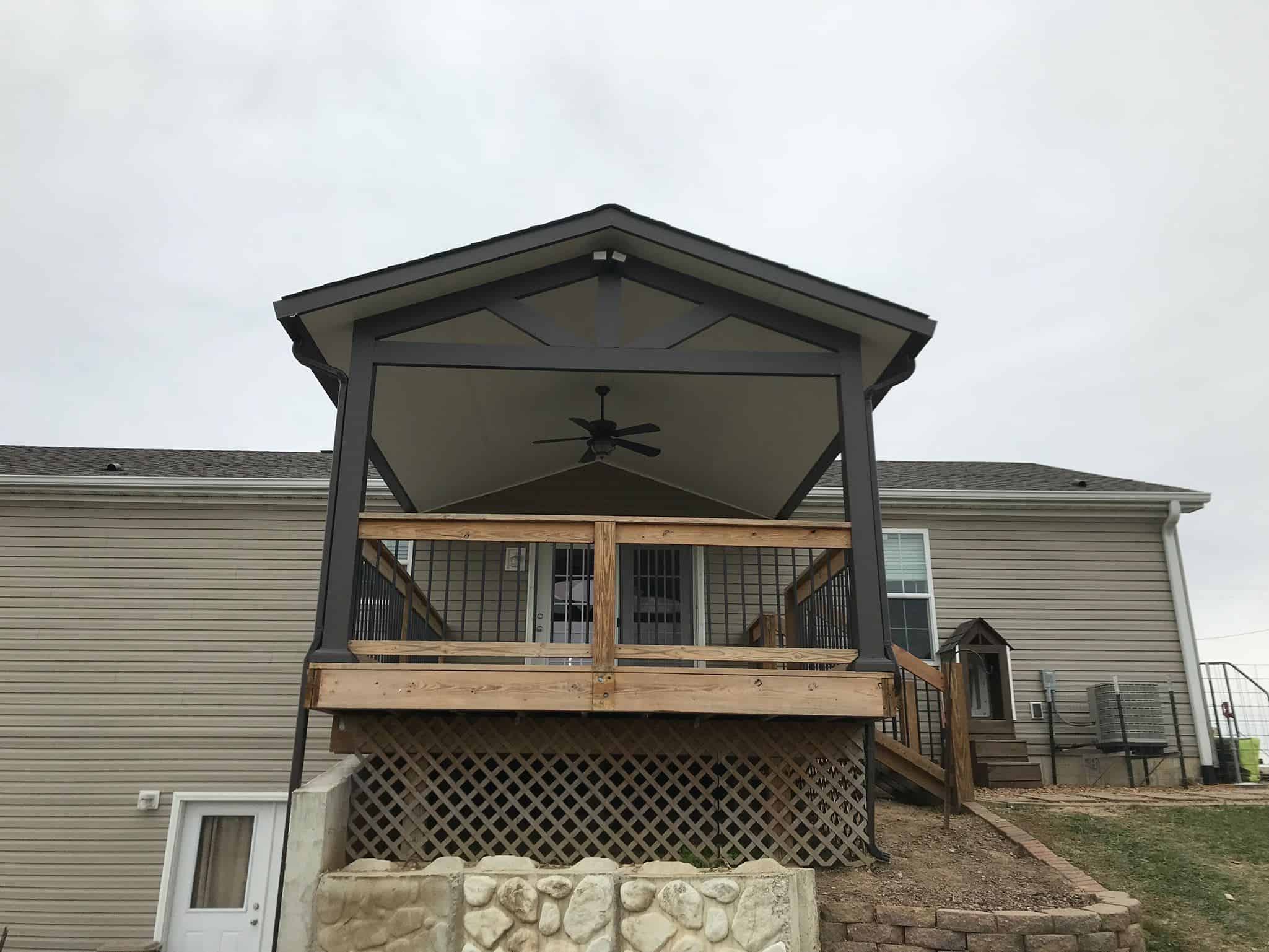
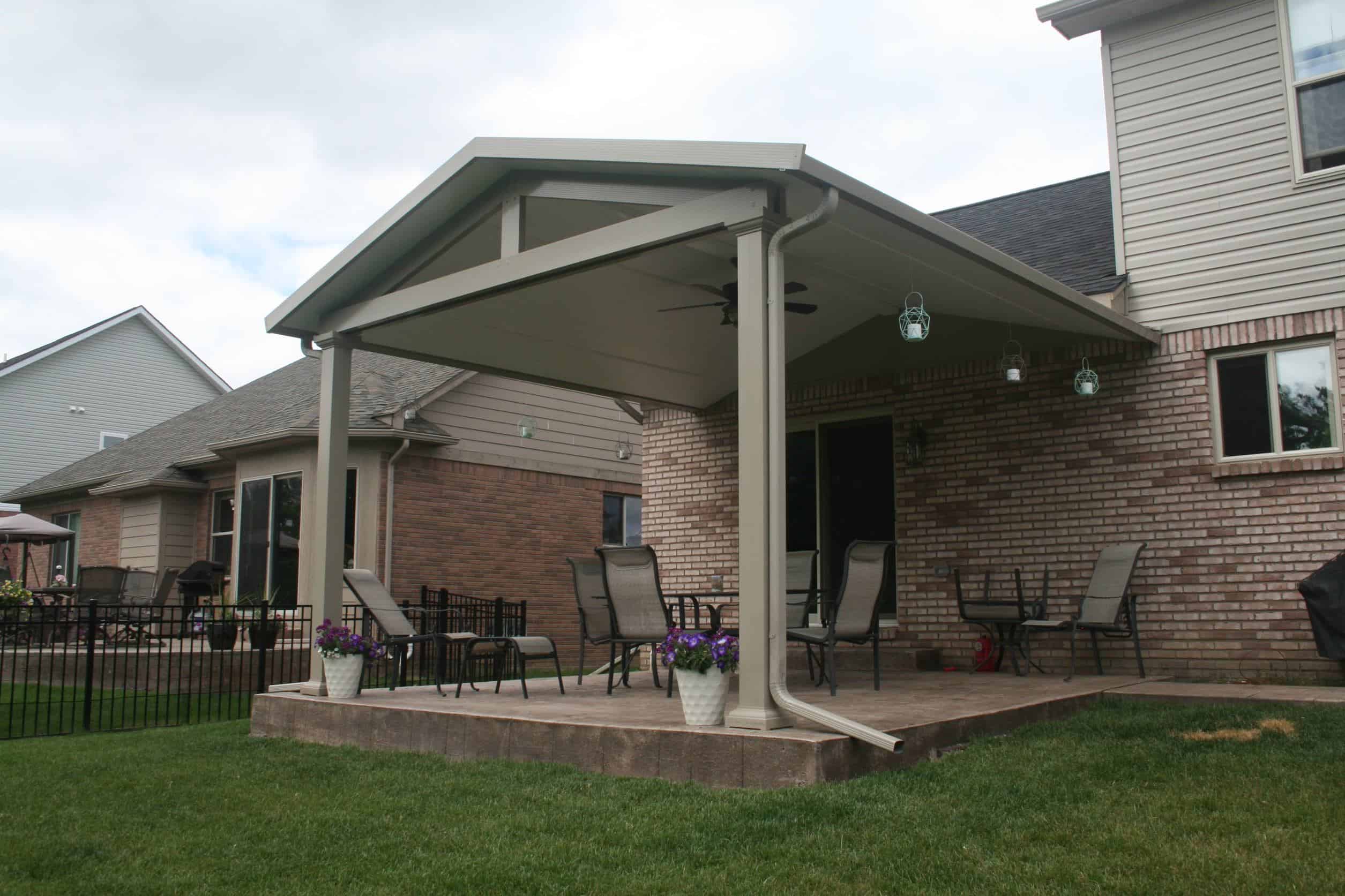
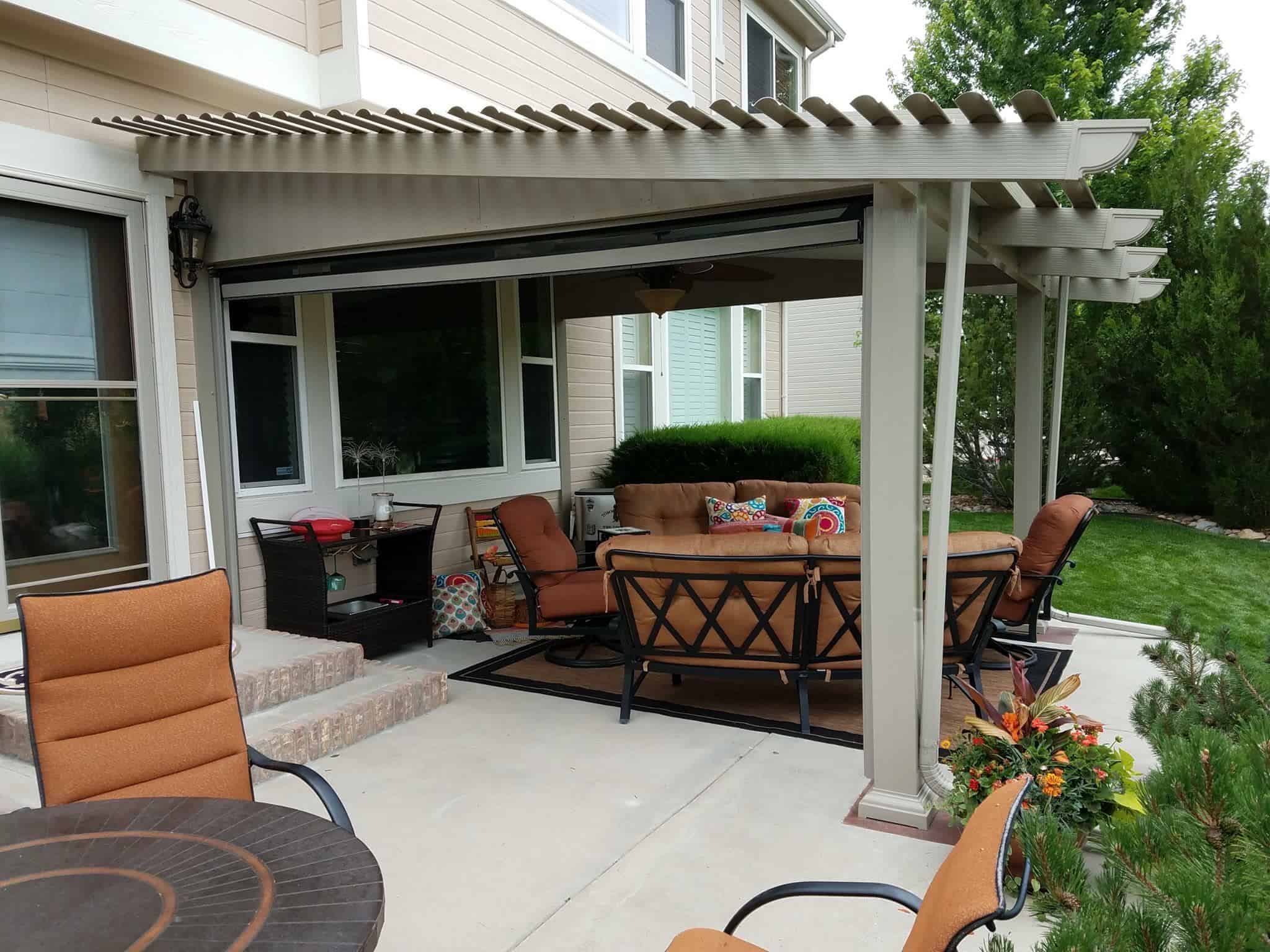
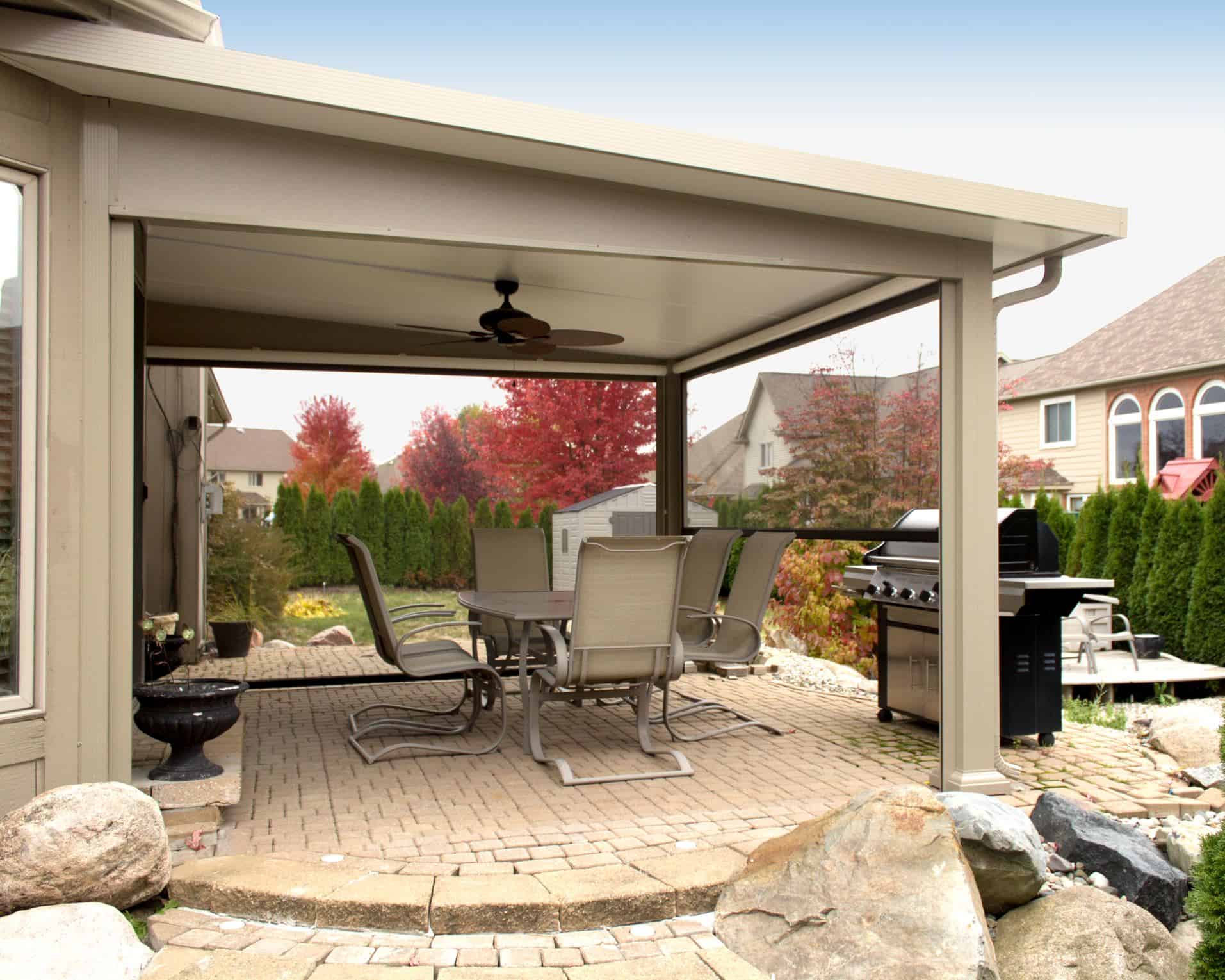
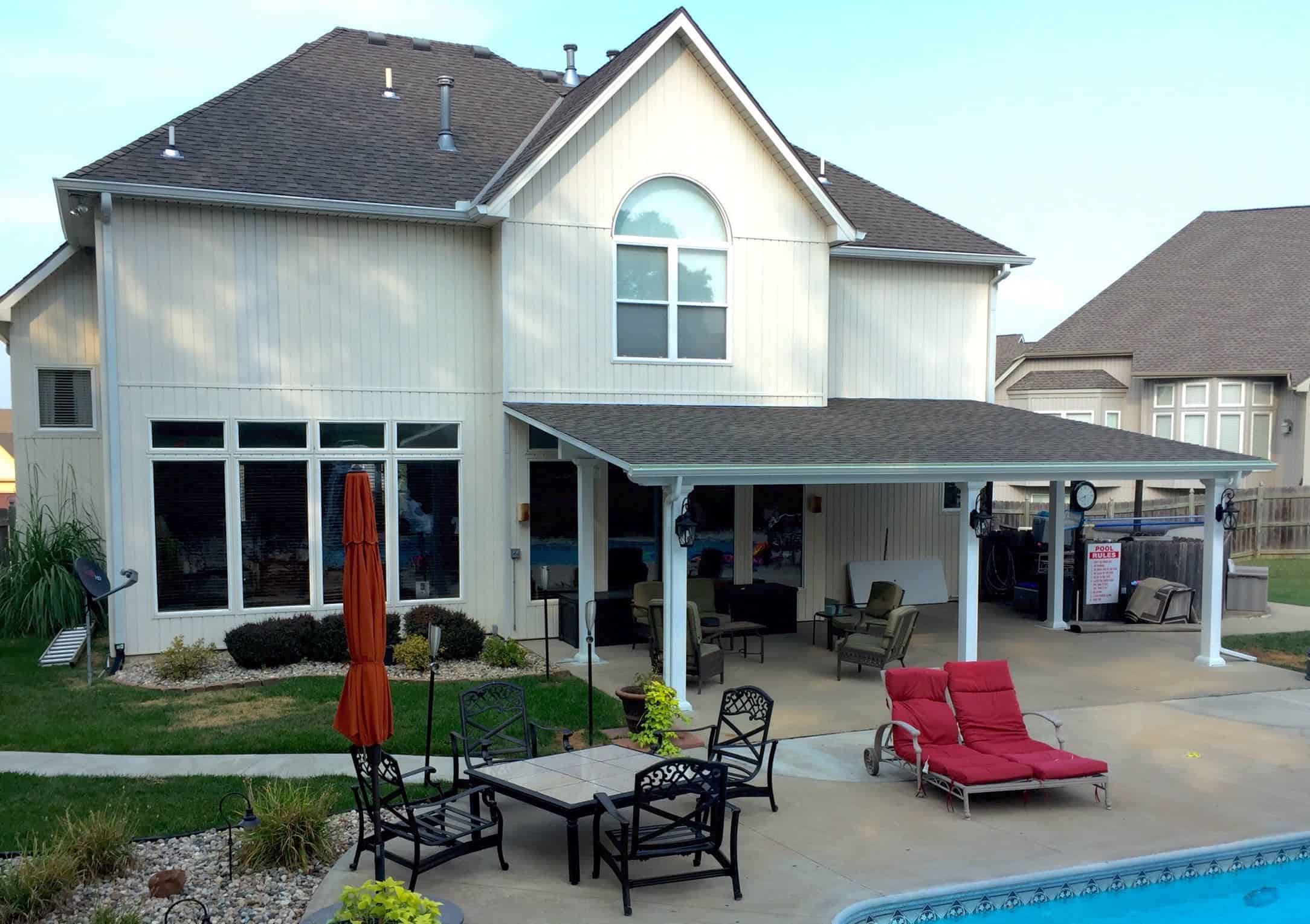
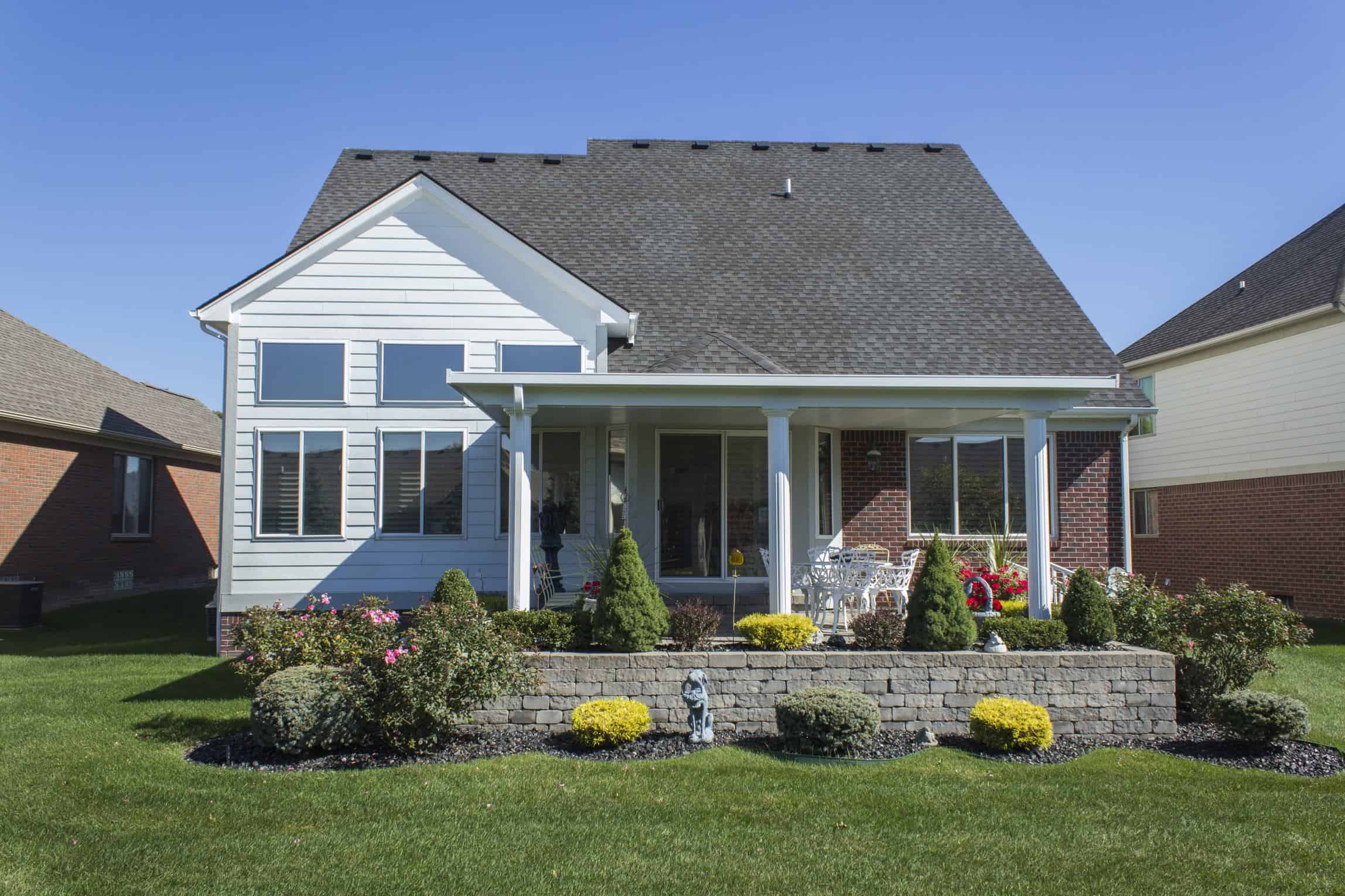
Our solid-style patio cover is designed to protect your deck, BBQ area, or other outdoor recreation area for added enjoyment, even when the sun is blazing or rain is headed your way. Hometown Restyling can also build custom carports designed specifically to protect your vehicle and complement your home.
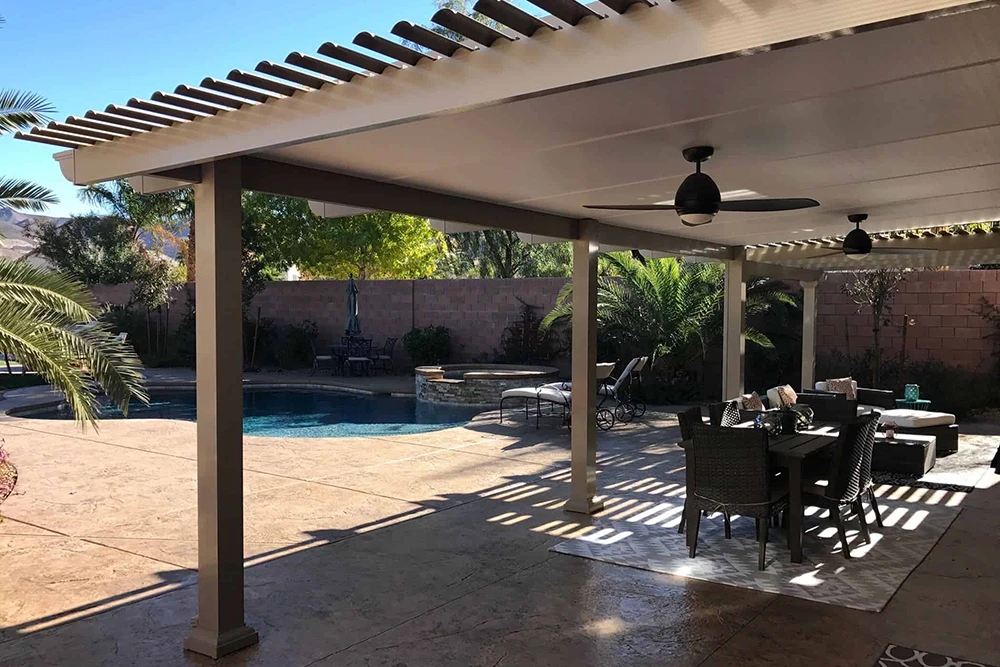
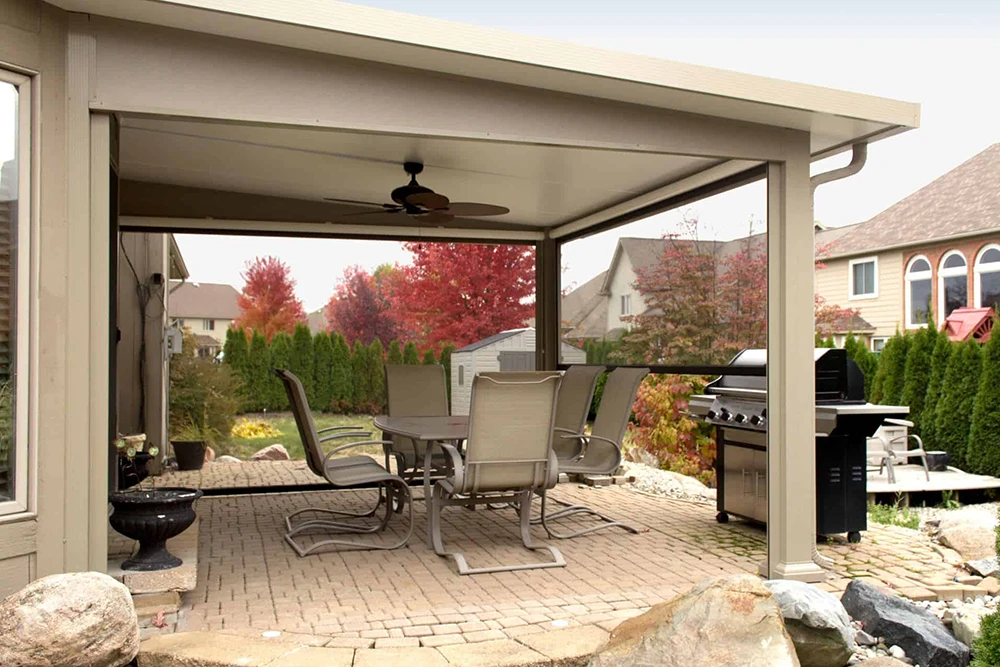
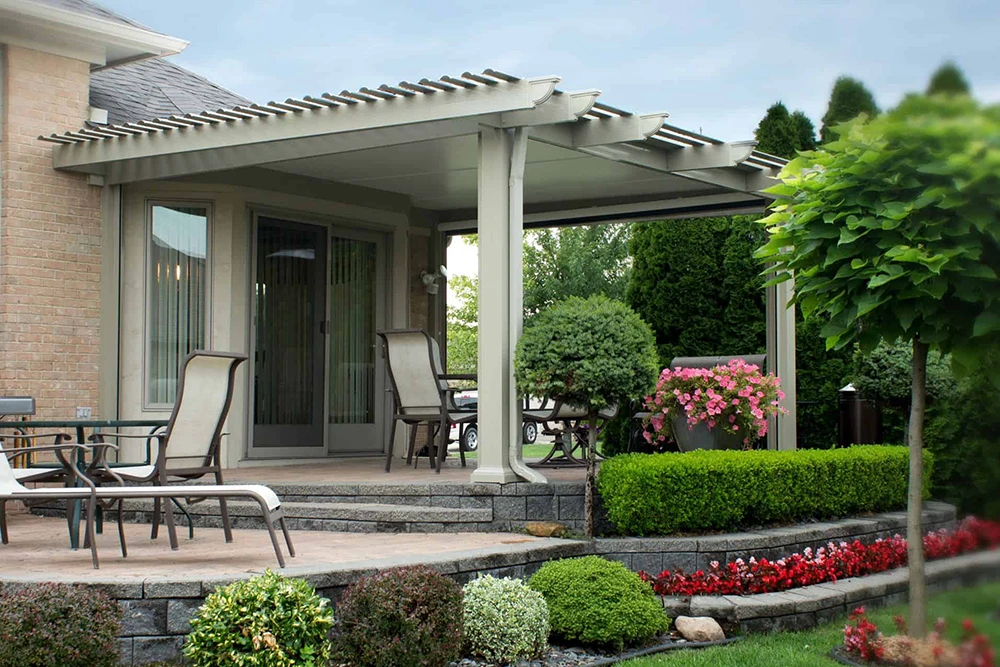
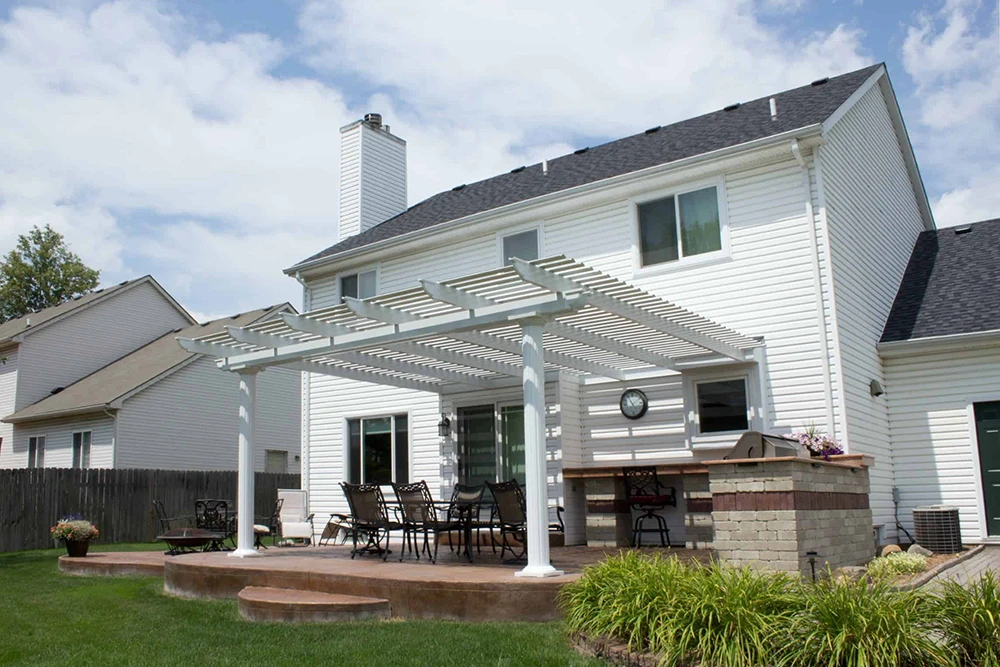
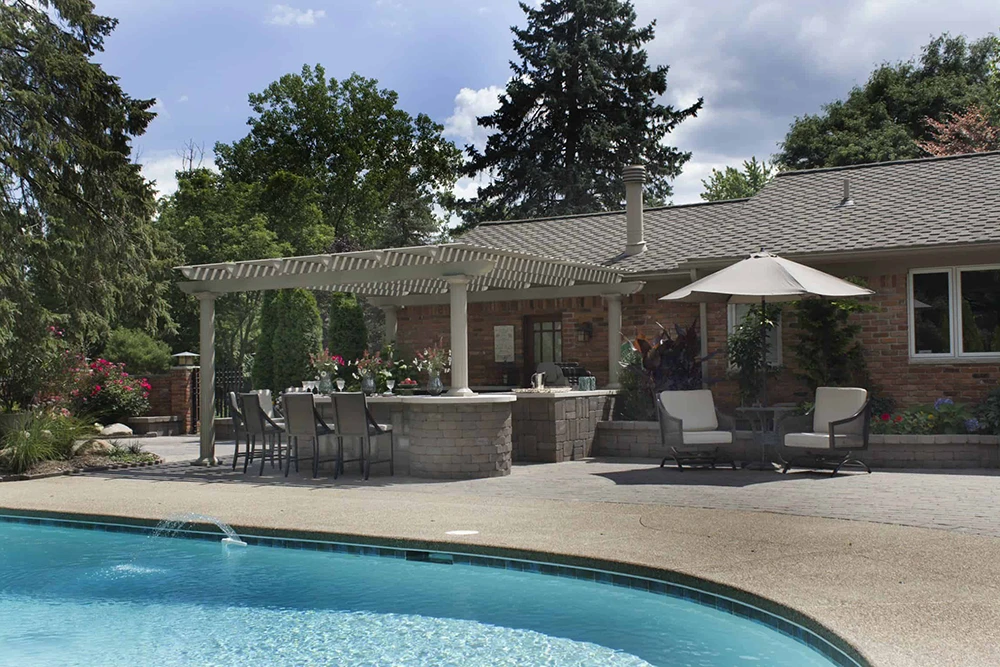
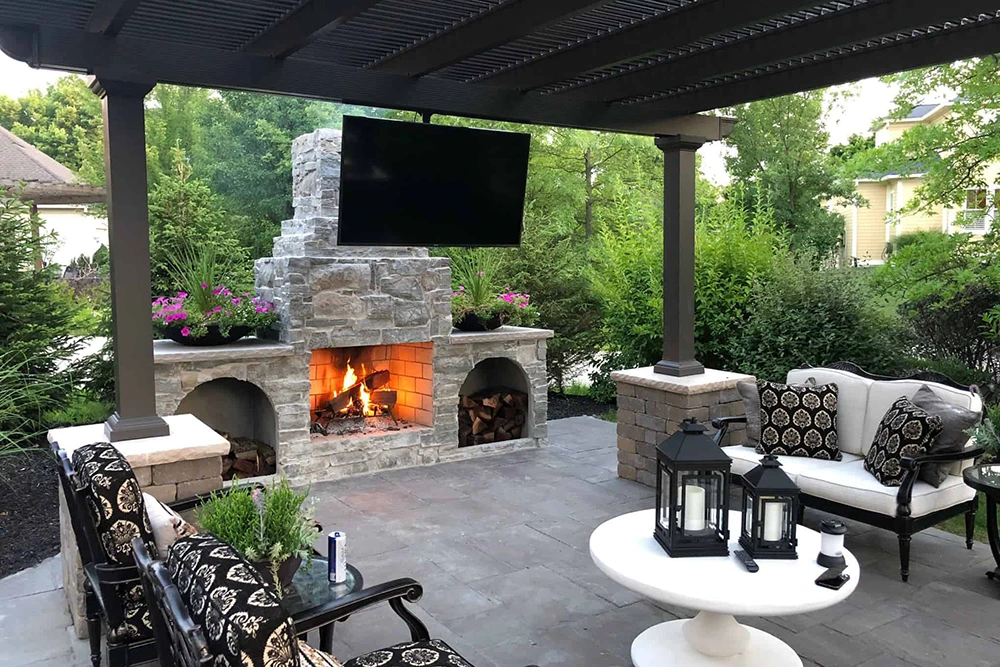
It offers shade and protection from the elements.
When you’re relaxing or entertaining guests, a pergola or patio cover can make your space more comfortable. Install motorized or crank-down shades to create additional shade and privacy.
Used as a carport, a patio cover protects your vehicle from sun overexposure, storm damage, and other environmental factors while keeping your vehicle cool during the summer.
It extends your living space.
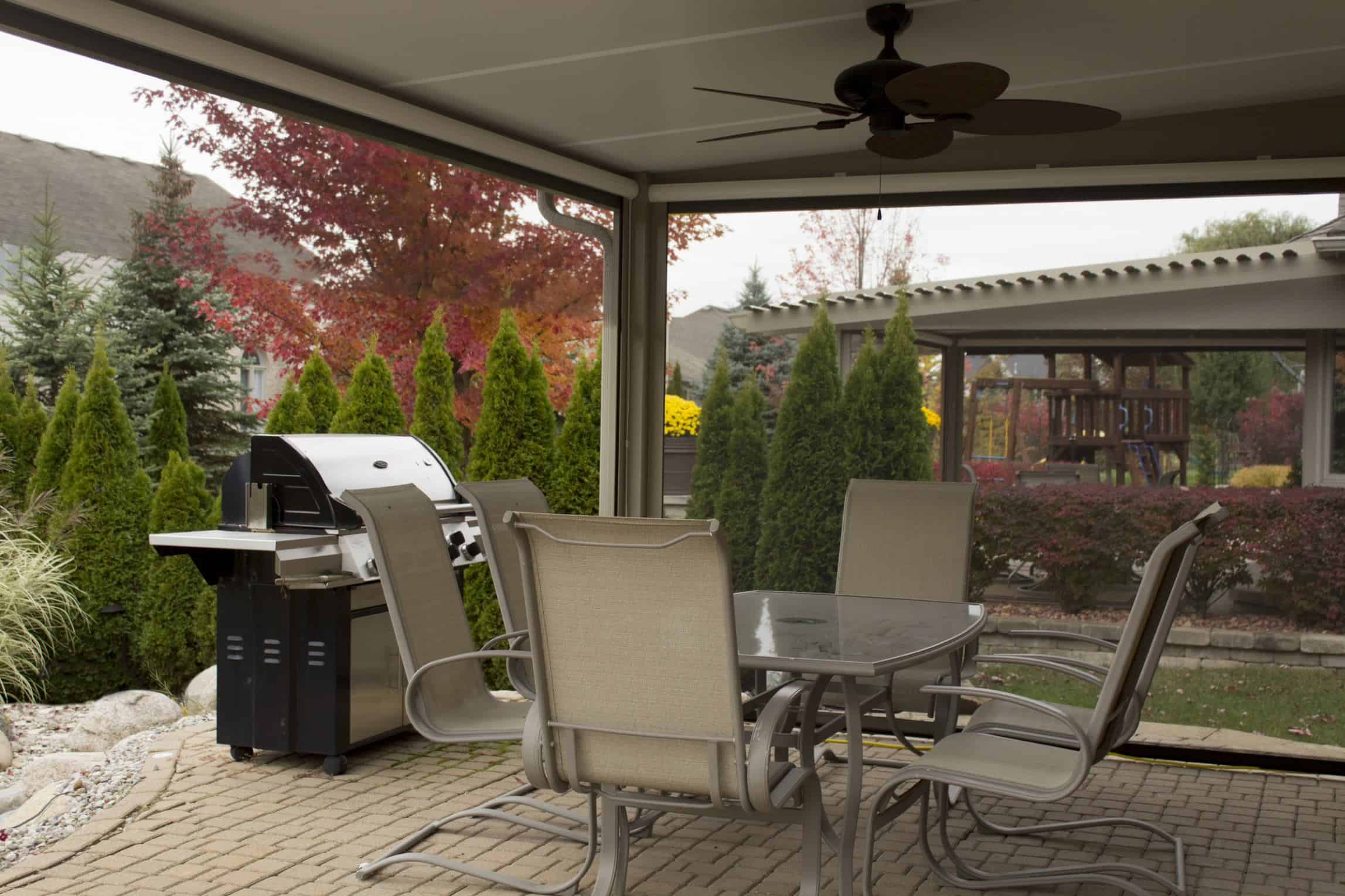
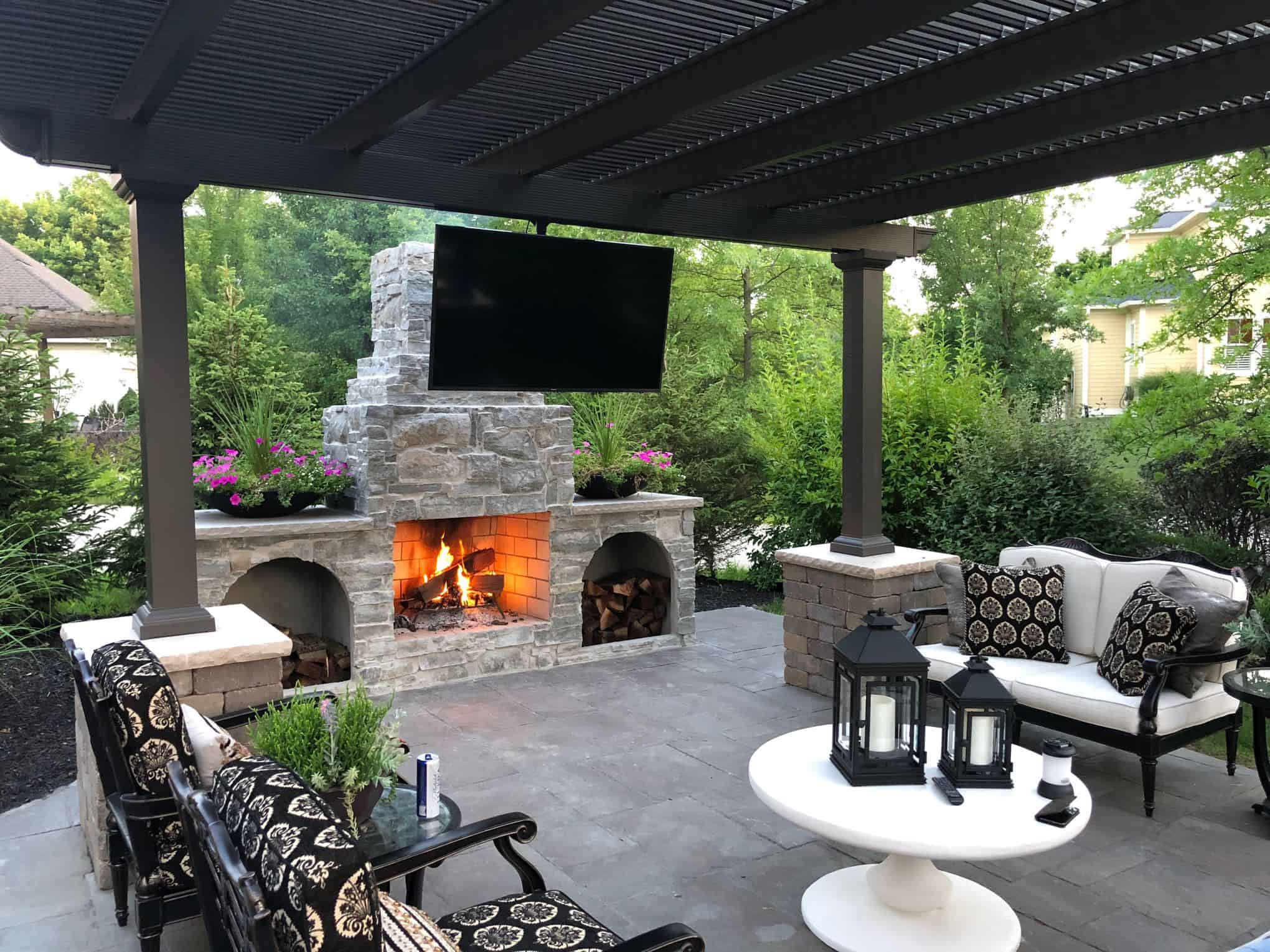
If your home feels a little cramped, a pergola or patio cover can create a new space for your daily activities—add a couch and a few chairs for a lounging area or a dining table set to create a lunch or dinner hangout. People also add TVs, outdoor speakers, and ceiling fans to make their space more comfortable and enjoyable.
It requires no annual maintenance and is built to last.
Our pergolas and patio covers are made to withstand the elements with heavy-duty, fully-extruded aluminum. Plus, they’re made with peel and crack resistant material that won’t warp or become infested with insects.
Hometown Restyling offers various financing options so you can make payments on your new pergola or patio cover while you enjoy it.
A pergola is an open-air structure with vertical posts and a slatted or lattice roof that filters partial sunlight. It adds architectural character and defined shade to a deck or patio, but it doesn’t block rain. A patio cover is a solid-roof structure that provides consistent overhead protection from both sun and rain, typically attached to your home, and keeps the space beneath it usable even when the weather turns.
The simplest way to think about it: if you want dappled shade and a beautiful outdoor structure, a pergola fits. If you want protection from rain as well as sun (and want that coverage to be reliable regardless of where the sun sits in the sky) a solid patio cover is the better fit. Many homeowners combine both: a patio cover over the main gathering area and a pergola further out in the yard for a defined, shaded lounge spot.
Read more: Summer Shade: Pergolas, Patio Covers, Screens & How to Choose
A standard pergola has a fixed, open-rafter roof. Light filters through the slats, giving you partial shade that shifts as the sun moves across the sky. It’s beautiful and low-maintenance, and it’s the right fit for homeowners who want an open-air feel with some relief from direct sun. An operable (louvered) pergola takes that same structure and replaces fixed rafters with motorized aluminum louvers that tilt open or closed at the touch of a button, giving you full sun when you want it, deep shade when you need it, and a fully sealed roof when the rain rolls in.
In Eastern Iowa, where a bright Saturday afternoon can turn stormy by 3 p.m., an operable pergola extends how much of the day and season you can use your outdoor space. The tradeoff is cost: standard pergolas run $8,000–$18,000+ installed for most projects, while motorized louvered systems run $15,000–$30,000+, depending on size.
Read more: Pergola Installation: What Homeowners Need to Know Before They Build
A traditionally styled aluminum pergola installed on an existing deck or patio typically runs $8,000–$16,000 for most Eastern Iowa projects, with the full range spanning $5,000 on the low end to $18,000+ for larger or more custom designs. Motorized louvered (operable) pergolas run higher: manual louvered systems generally fall in the $12,000–$18,000 range, while motorized systems with remote or app control run $15,000–$30,000+ depending on size and electrical requirements.
If there’s no existing patio surface, add the cost of a concrete slab or footings, which can bring total project cost to $16,000–$40,000+ for a freestanding pergola built from scratch. The five variables that drive quotes in either direction are size, material, foundation requirements, site conditions, and whether electrical work is needed for fans or lighting.
A solid attached patio cover in Eastern Iowa generally runs $10,000 to $30,000 or more installed. A basic attached cover with no electrical upgrades typically starts around $10,000–$15,000. Adding a ceiling fan, lighting, or decorative roofline detailing generally brings the project into the $15,000–$25,000 range. Building a cover over an existing deck can run anywhere from $15,000 into the $30,000s, depending on what the existing deck structure requires.
The biggest variable in patio cover pricing is the foundation. A cover built over a ground-level patio with a solid existing slab is a more predictable project. A cover added to an elevated deck depends on whether the existing footings can handle the additional load, which is why we assess the existing structure before finalizing scope or price.
Read more: How Much Do Patio Covers and Pull-Down Screens Cost in Eastern Iowa?
The physical build typically takes one to three days once the crew is on-site and materials are ready. The full project timeline (from first consultation to enjoying the finished structure) is usually four to ten weeks, accounting for design, material selection, permit approval where required, and lead time for materials to arrive.
This is one of the most common surprises for homeowners: the build itself is fast, but the steps before it take time. If you’re hoping to have a pergola ready for a specific occasion, such as a graduation party, a family reunion, the Fourth of July, plan backward from that date and start the conversation early. Spring and early summer are our busiest scheduling windows, and that’s exactly when most homeowners first start thinking about outdoor shade.
Read more: Pergola Installation: What Homeowners Need to Know Before They Build
In most Eastern Iowa municipalities, yes. Both pergolas and patio covers typically require a building permit, especially for attached structures or anything larger than a small freestanding garden structure. Requirements vary by city. What’s required in Cedar Rapids may differ from Marion, Iowa City, North Liberty, or Hiawatha.
We handle permitting on your behalf as part of the project. It’s not something you need to navigate yourself, but it is something that needs to happen, and it’s one reason why starting the process a few weeks earlier than you think necessary is always the right call. Permit timelines can add one to three weeks to a project schedule, and skipping permits creates risk at the point of insurance claims, future home sales, or structural inspections.
Read more: Pergola Installation: What Homeowners Need to Know Before They Build
Aluminum is almost always the better long-term choice for Eastern Iowa homeowners, and it’s what we build with. Heavy-gauge extruded aluminum handles our freeze-thaw cycles without warping or absorbing moisture, requires no annual staining or sealing, and holds its appearance for decades. Wood can look beautiful on day one, but without consistent staining and sealing every two to three years, it grays, cracks, and splits, and the decline compounds once maintenance gets skipped.
Wood typically costs less upfront, but when you factor in stain, sealant, board replacement, and labor over a 10- to 20-year horizon, the real cost is often comparable to or higher than aluminum. The more useful question isn’t which costs less to build, it’s which you’ll actually maintain. If the honest answer is “probably not as often as I should,” aluminum is the right choice.
Read more: Pergola Installation: What Homeowners Need to Know Before They Build
A standard pergola with an open, slatted roof typically provides 30–50% shade coverage, which is enough to soften direct sun and make the space noticeably more comfortable, but not enough to block it fully. How much shade you actually feel depends on rafter spacing, the sun’s angle throughout the day, and which direction your pergola faces. A west-facing pergola takes the full force of Iowa’s afternoon sun; a north- or east-facing one offers gentler, more indirect coverage.
If full sun protection is your goal, a solid patio cover or operable louvered pergola is a better fit. If you want filtered, dappled light and a structure that frames your outdoor space rather than enclosing it, a standard pergola delivers exactly that. Many homeowners add retractable shade panels or climbing plants across the rafters over time to increase coverage without modifying the structure itself.
Read more: Summer Shade: Pergolas, Patio Covers, Screens & How to Choose
Yes, a well-built pergola or patio cover consistently adds buyer appeal and resale value. Outdoor living improvements have been shown to return 50–70% of their installed cost at resale on average, and homes with defined, functional outdoor spaces tend to generate stronger buyer interest than those without. Material quality and condition matter as much as presence: a low-maintenance aluminum pergola that still looks great after ten years reads as an asset; a weathered, sagging wood structure reads as a project.
Beyond resale, the more immediate payoff is how much more you’ll actually use your backyard. A shaded, covered outdoor space changes daily habits (more morning coffees outside, more evenings with neighbors, more weekends around the grill) starting the day the project is done. That kind of daily value doesn’t show up in a Cost vs. Value Report, but it’s real.
Yes, and it’s one of the most popular add-ons we install. Retractable pull-down screens mount to the overhead structure of a pergola, patio cover, or covered porch and roll down on demand to create a bug barrier or solar shade screen, then retract completely out of sight when you want the fully open-air feel. They’re available in manual (spring-assisted) and motorized (remote-controlled) versions, and the mesh comes in both insect-screen and solar shade options, including densities that block 80–95% of UV while still allowing airflow.
Professionally installed retractable screens typically run $3,000–$7,000 or more per opening, depending on width and whether the system is manual or motorized. One practical planning note: if you think you might want screens added to your pergola or patio cover eventually, mention it during the design phase. The overhead structure needs to be compatible with screen housing, and planning for it upfront is always easier than retrofitting it after the fact.
Read more: How Much Do Patio Covers and Pull-Down Screens Cost in Eastern Iowa?