

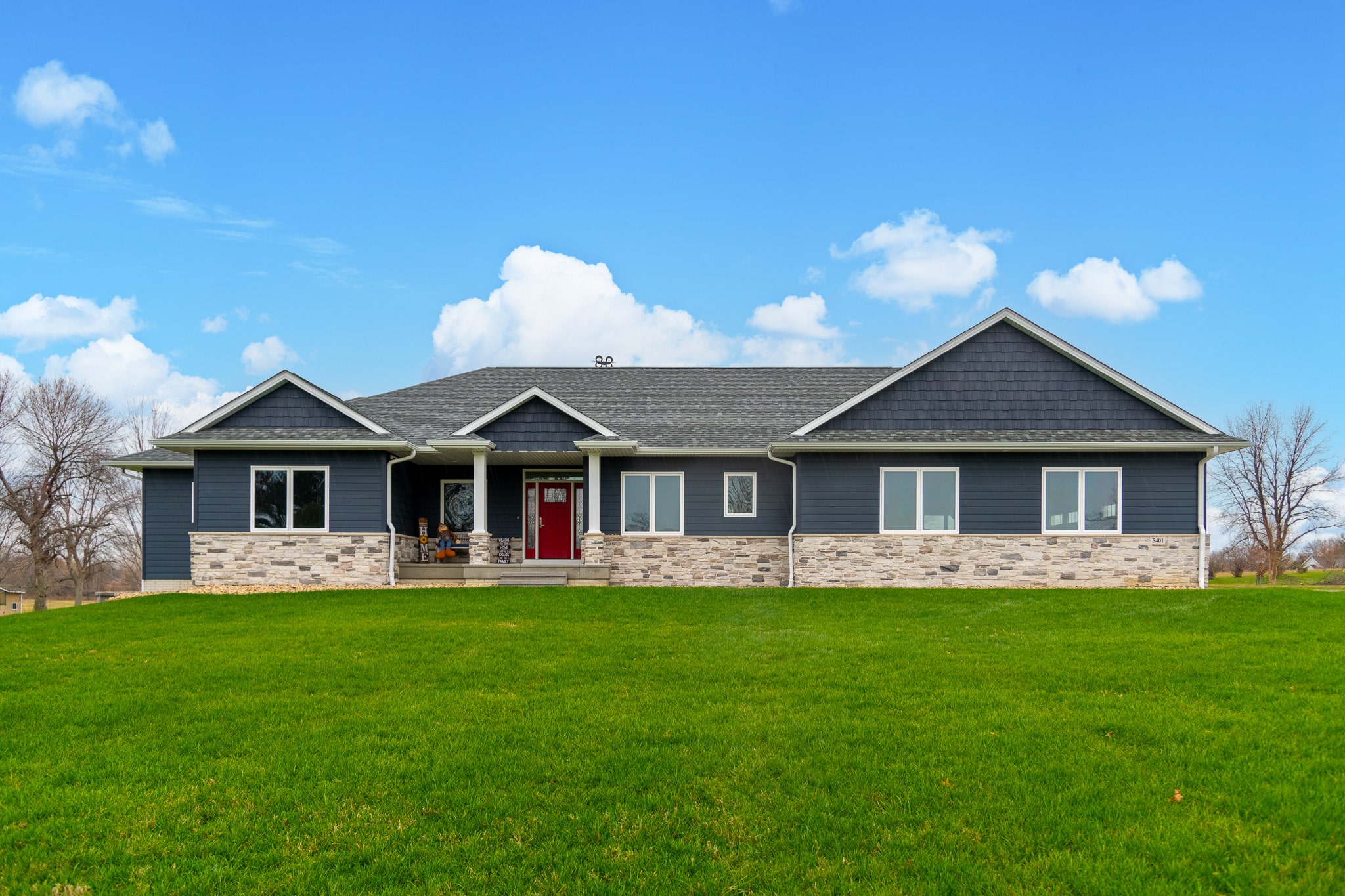
Replacing the siding on your home is a big move. It doesn’t just change the way your house looks from the curb; it also opens up a rare window to upgrade other critical parts of your exterior while everything’s accessible.
That leads to one of the most common homeowner questions we hear: Should I replace anything else while I’m replacing my siding? Windows, gutters, soffits, fascia, trim, housewrap. They all connect in one way or another. Do it right, and you could save money, reduce future headaches, and boost your home’s energy efficiency.
In this StraightTALK article, we’re unpacking the five key areas you should consider tackling alongside your siding replacement. If you’re planning a siding replacement project soon, this article will help you make smart, forward-thinking decisions that pay off long after the siding crew packs up.
Should I replace my windows at the same time as my siding?
Replacing your windows at the same time as replacing your siding is a smart pairing for many reasons. And it’s one of the most common tag-team upgrades we see for the exterior of your home.
Why does replacing windows at the same time as siding make sense?
When your siding is removed, your contractor will expose the exterior window trim and flashing. These components are crucial to creating a waterproof seal around your windows, and they’re also exactly what would need to come off if you were replacing the window itself. In other words, you’ve already started a window replacement project just by re-siding your home.
Replacing your windows now helps you avoid a major risk later: damaging your brand-new siding. If you decide to replace windows a year or two down the line, your installer will need to remove and then try to match the existing siding, sometimes cutting into it or flexing it in ways that reduce its lifespan or void warranties.
Doing both siding and window replacement at once also gives you the best shot at creating a tight, well-sealed building envelope. Installing new siding and windows together enables seamless integration of housewrap, flashing, insulation, and sealing, delivering improved energy efficiency, better moisture protection, and a cleaner finished look.
StraightTALK Definitions:
- Flashing: Thin pieces of waterproof material (often metal or synthetic) installed around windows, doors, roofs, and other joints to direct water away from openings and prevent leaks behind siding or trim.
- Framing: The structural skeleton of your home, made up of wood studs and beams, that supports walls, roofs, and floors. Everything else (sheathing, insulation, siding) attaches to or is built around the framing.
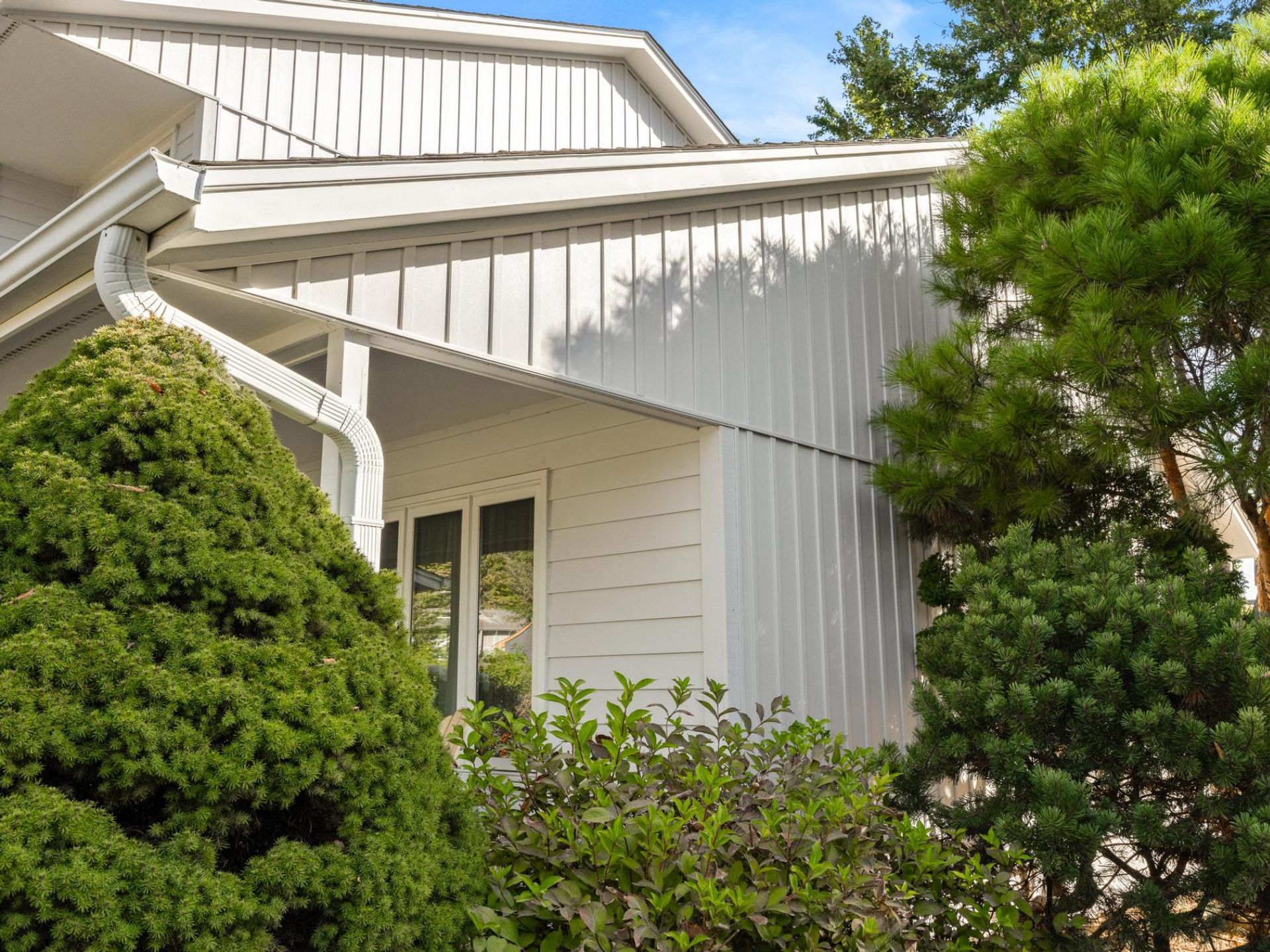
Questions homeowners ask about replacing siding and windows at the same time:
Will replacing the windows now prevent damage to the new siding later?
Yes. Retroactively replacing windows almost always involves removing trim and disturbing the siding. That can lead to cracks, gaps, or reinstallation issues. Doing both projects at once avoids that risk entirely.
Can I replace some windows now and others later?
Yes, you can. But there’s a potential visual downside: the aesthetic mismatch. Newer windows often have a different profile, material, or color compared to older models. On a freshly re-sided home, the contrast stands out. If the budget is tight, consider replacing at least the most visible or problematic windows now. Completing a whole side of your house at once (particularly the curbview side) can help alleviate your aesthetic concerns.
Can I reuse my existing window trim?
In some cases, yes, but each home is different. Old trim may be damaged, weathered, or incompatible with the style of your new siding. Many homeowners choose to upgrade to maintenance-free trim at this stage, which ensures durability and a consistent look across the entire exterior of your home.
StraightTALK Remodeling Tip
If your siding project exposes window flashing and framing, it’s the perfect time to replace outdated or inefficient windows. Bundling these two upgrades can save you more money over time in energy costs.
StraightTALK Budgeting Tip
Part of your consideration on whether to combine siding and window replacement likely comes down to budget. And here you have some options. You can decide to complete your project in phases to stretch the project cost over time. Or you can consider whether financing your exterior remodel through your contractor. At Hometown Restyling, we offer several financing options so that you can pay for your project over time, while taking advantage of today’s material costs and the efficiencies that may come with bundling this project together.
Should I replace my gutters during siding replacement?
Replacing your gutters might not be the first thing you think about when planning a siding replacement, but they’re directly connected, and often need to come off during the process. That’s why gutter replacement is a great add-on project to consider. Gutters play a vital role in protecting your home from water damage, and new siding is a great time to improve how water is channeled away from your roof and foundation. Whether your current gutters are dated, leaking, or just not aligned well, bundling these two projects can streamline your home’s exterior performance.
Why replacing siding and gutters at the same time makes sense?
Gutters are mounted to fascia boards, and during a re-siding project, those boards are typically replaced or capped. That means your existing gutters will need to be removed and then either reinstalled or upgraded. If your gutters are older or in poor condition, reinstallation may not be worth the effort.
Upgrading at this stage also gives you the opportunity to improve water management. You can switch to larger downspouts, reposition gutters to eliminate problem areas, or even redesign your system to protect landscaping, walkways, or basement walls more effectively.
Finally, gutter replacement allows you to match the style and color of your new siding. A cohesive look between gutters, downspouts, and siding gives your home a polished appearance and adds long-term curb appeal.
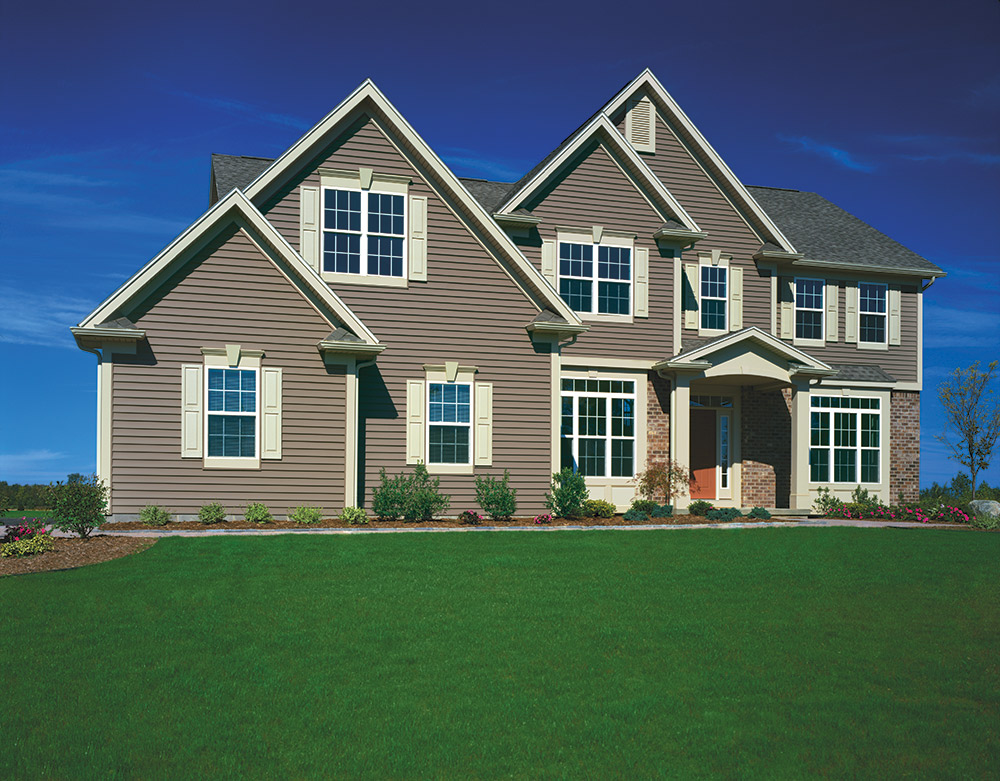
Common homeowner questions about replacing siding and gutters:
Can you reuse my gutters?
Sometimes. But keep in mind that older gutters often have warped sections, loose fasteners, or sagging seams. Trying to reattach them can lead to poor drainage or damage your new fascia.
Should I install gutter guards while I’m at it?
If you’re already replacing your gutters, adding guards now is a cost-effective step that reduces long-term maintenance and prevents debris from clogging your system.
What if I want to change where my downspouts drain?
This is the best time to make those changes. Your contractor can plan the siding and gutter layout together to ensure optimal water runoff and improved protection for your foundation and landscaping.
Should I replace soffits, fascia, and trim during siding replacement?
Replacing soffits, fascia, and trim during your siding replacement is often just part of the process. Siding doesn’t exist in a vacuum; it’s tied closely to a whole network of finishing materials, including soffits, fascia, and exterior trim. These pieces bridge the gap between your siding and your roof, windows, and eaves. While they may seem like aesthetic details, they play critical roles in moisture management, ventilation, and the protection of your home’s structural edges. During a siding project, these components are often touched or replaced, so it’s worth asking whether they need attention now.
StraightTALK Definitions:
- Fascia: The vertical board that runs along the edge of the roof, where gutters are usually mounted.
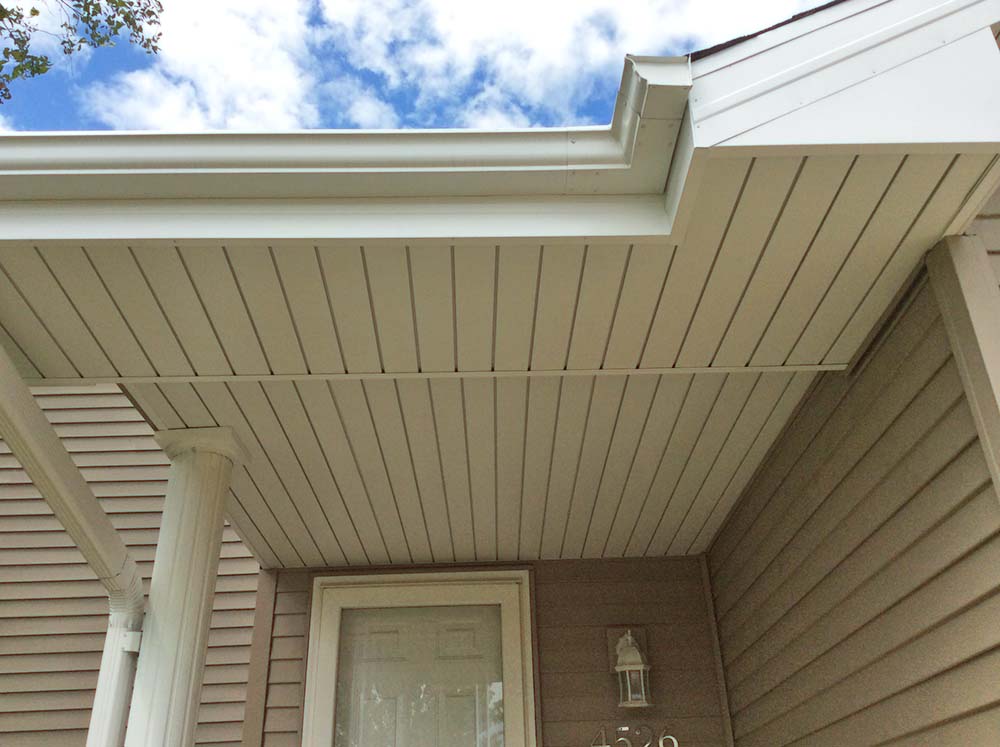
- Soffit: The underside of the roof eaves. The horizontal area you see when you stand directly beneath the edge of the roof. Soffits often contain vents that allow air to flow into the attic.
- Trim: The framing around doors, windows, and corners that gives your siding a finished look and protects seams from water infiltration.
Why does replacing soffits, fascia, and trim make sense?
Vented soffits are essential for maintaining healthy attic airflow. When warm, moist air gets trapped in the attic, it can lead to mold, rot, or winter ice dams. Upgrading to the latest vented soffits during siding replacement can prevent these issues and boost your home’s energy efficiency.
Old fascia boards (especially if they’re wood) can show signs of peeling paint, water damage, or even rot. When paired with brand-new siding, aged fascia or mismatched trim can stand out for all the wrong reasons. Replacing or wrapping these boards ensures a cleaner transition between the roof and wall.
Maintenance-free options, such as aluminum-wrapped fascia or PVC composite trim, eliminate the need for scraping, painting, or ongoing maintenance. These upgrades are long-lasting and complement the latest siding materials well, especially if you’re looking for a low-maintenance exterior for your home.
Questions homeowners ask about replacing soffits, fascia, and trim:
Will my old trim look odd with new siding?
Often, yes. Differences in color, thickness, or profile can make older trim feel out of place next to updated siding. Upgrading your trim ensures everything looks intentional and unified.
Do I need new soffits if mine are just dirty?
Not always, but it’s worth having them inspected. Dirt can hide signs of wood rot, damage, or inadequate ventilation. If there’s any sign of structural wear, now is the ideal time to replace them.
Can I upgrade my trim profile or style?
Absolutely. This is the best time to make aesthetic upgrades that enhance curb appeal. You can choose bolder trim or new colors that reflect your home’s character.
StraightTALK Remodeling Tip
If you’re aiming for a low-maintenance exterior, upgrading to vented soffits and composite or wrapped trim will save you time and money for years and years.
Are there other structural or behind-the-scenes upgrades I should consider during a siding replacement?
When you replace your siding, you’re not just updating the exterior skin of your home; you’re peeling back the layers and exposing what’s underneath. That makes it the perfect time to evaluate and improve the building envelope, which is everything behind the siding that protects your home from air leaks, moisture, and heat loss. These hidden upgrades can significantly improve comfort and energy efficiency, yet they’re often overlooked until problems arise. Addressing them during a siding replacement you already have planned, while the walls are open, can save you time, stress, and money later.
Why does considering structural updates during a siding replacement make sense?
Removing the old siding gives you full access to your home’s sheathing (the surface layer over your home’s framing) and the materials layered on top of it. One key upgrade to consider is housewrap, which is essential for keeping your walls dry and your insulation effective. Even with insulated siding, housewrap is still necessary for moisture control.
StraightTALK Definition:
- Housewrap: A synthetic barrier applied over your home’s sheathing, beneath the siding. It prevents wind-driven rain and moisture from entering the wall system while allowing internal moisture vapor to escape, keeping your home dry and energy-efficient.
- Sheathing: The flat layer of material (usually plywood) that covers the exterior wall framing. It provides structural support and serves as the surface to which housewrap and siding are attached.
This is also an ideal time to evaluate and upgrade your insulation. Many older homes were built without sufficient wall insulation, and now that the wall cavities are accessible, you can add rigid foam board or blown-in insulation to improve thermal performance and reduce heating and cooling bills.
Lastly, any exterior utility features (like HVAC lines or electrical boxes) can be repositioned or better protected while the siding is off. Flashing can be installed around deck or porch connections, and problematic areas can be reinforced to prevent water intrusion.
Questions homeowners ask about behind-the-siding:
Do I need housewrap if I’m using insulated siding?
Yes. Housewrap still plays a crucial role in moisture management, even with updated insulated siding. It protects your sheathing and framing from water intrusion and helps preserve the R-value of your insulation.
StraightTALK Definition:
- R-value: A measurement of how well insulation resists heat flow. The higher the R-value, the better the material insulates.
Is this a good time to add insulation?
Absolutely. When the walls are exposed, it’s far easier to add continuous insulation or fill existing cavities. You’ll feel the benefits year-round.
What if I have an attached deck or porch?
Your contractor can integrate flashing and trim details to ensure the siding transition is watertight. It’s also a good time to inspect those attachments for any signs of wear or water damage.
StraightTALK Remodeling Tip
Take advantage of the open walls to add or upgrade insulation and weather barriers; it’s one of the most cost-effective ways to reduce your home’s energy bills.
What if I want to replace my siding now but do other projects later?
If you’re looking to replace only your siding now but expect other projects in the future, phasing your projects is perfectly reasonable. Not every homeowner is ready to tackle every exterior upgrade at once. The key is to make informed decisions during your siding replacement that keep future options open and avoid unnecessary do-overs. With a little planning, you can stretch your budget while still protecting your home and maintaining a cohesive appearance.
Planning ahead prevents costly mistakes. For example, if you replace your siding now but plan to install new windows next year, install trim and flashing that can be easily removed or adjusted later to protect your investment. Without that planning, future projects might require removing or damaging your new siding. Or perhaps you should consider replacing your windows first, that way, any damage or inconsistencies with the siding around your windows is short-lived.
Color and material coordination is also essential. If you know you’ll be updating your roof, doors, or other exterior features later, work with your contractor to select siding styles and finishes that will complement those future upgrades. This helps your home look like a unified design, not a patchwork of piecemeal projects.
Lastly, your contractor can install components such as flashing, blocking, or additional trim to accommodate future upgrades. For example, adding an access panel now for a future deck install, or ensuring there’s proper sheathing support where a pergola might attach later.

Common homeowner questions about planning for future projects:
Can I do siding now and windows later?
Yes, but ask your contractor to use trim and flashing that’s easily removable and reinstallable. It’s a small detail that can make a big difference in both labor costs and aesthetics when the time comes.
What if I’m planning an addition soon?
You have a few options. You might delay siding entirely, or choose to side the addition now and tie it in later. A professional can help you sequence the project to avoid redundancy or awkward transitions.
Is it cheaper to do everything at once?
In many cases, yes. Combining projects means fewer site visits and less re-work. But if that’s not feasible, thoughtful staging still pays off, especially when it comes to protecting new work and preserving warranties.
StraightTALK Remodeling Tip
If you’re planning multiple exterior upgrades, ask your contractor to build in future flexibility, or better yet, work with them on a multi-year plan that minimizes re-work, so you don’t pay twice.
StraightTALK Wrap Up
Siding replacement is a good time to consider other exterior projects for your home. From replacing aging windows and gutters to upgrading soffits, insulation, or trim. All of which create efficiencies for your home.
And the truth is, it usually costs less in the long run to tackle these upgrades while the house is already opened up. You already have access to behind-the-siding aspects of your home, and you reduce the risk of having to undo new work later. Whether you’re ready to go all-in or want a phased approach, the key is to plan smart. Ask the right questions now, and you’ll enjoy a home that looks better, performs better, and needs less maintenance down the line.
Ready to talk about a siding project that covers all the bases? Get a free quote from the most trusted residential remodeler in Eastern Iowa, and see how you can maximize every part of your exterior upgrade. Or to learn more about siding replacement options, check out: How to Choose the Right Siding for Your Eastern Iowa Home.