

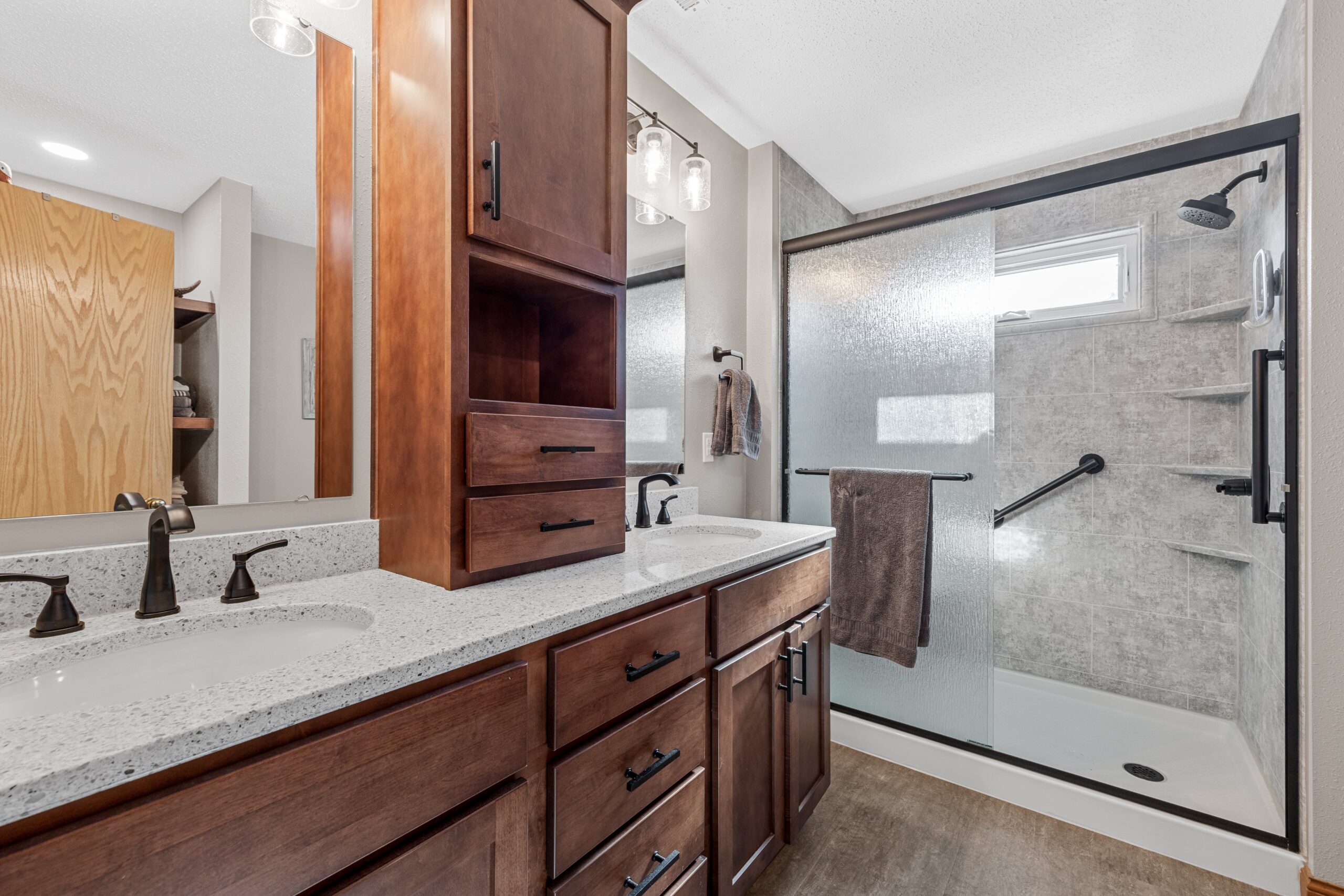
When it comes to renovating your home, bathroom remodels are in a league of their own. In Eastern Iowa, where seasonal humidity swings and older plumbing are common, your bathroom has to hold up to serious wear and tear. Floors and walls are constantly exposed to high humidity and temperature changes. That means the materials you choose need to be more than just good-looking. They need to be tough, waterproof, and safe.
Shower Material | Bathroom Floors | LVP | Waterproofing | Bathroom Fixtures
But just because your bathroom has a job to do doesn’t mean it can’t look amazing while doing it. Today’s flooring and shower options blend performance with style better than ever before. Whether you’re remodeling a master bath, updating a guest bathroom, or planning a new addition, understanding your options is key to getting both the function and vibe you’re looking for.
Let’s get into the five biggest questions Eastern Iowa homeowners have when it comes to choosing bathroom flooring and shower materials, and give you the real answers you need.
What’s the difference between fiberglass, acrylic, and tile showers?
In our Eastern Iowa remodels, we get this question a lot, especially from homeowners who are trying to balance cost, appearance, and low maintenance. Here is a quick overview of each material and how it compares for shower and tub remodels.
Fiberglass Showers
Fiberglass is typically the most budget-friendly option for a shower or tub surround. These prefabricated panels are lightweight and relatively quick to install. They’re a common choice in builder-grade new homes or quick-turnaround projects. However, fiberglass tends to be less durable over time. It can crack or scratch with age and use. And over time, if not cleaned regularly, soap scum and mildew can form and be difficult to remove. The design options are also fairly limited, so if you’re looking for a more custom or upscale aesthetic, fiberglass may not be your best bet.
That said, not every bathroom remodel calls for custom tile or high-end upgrades. We often see fiberglass four-piece units from brands like Kohler or Oasis remain a popular, practical choice, especially for basement bathroom updates. They’re cost-effective, easy to install, and perfect for secondary bathrooms that still need to function well.
Acrylic Showers
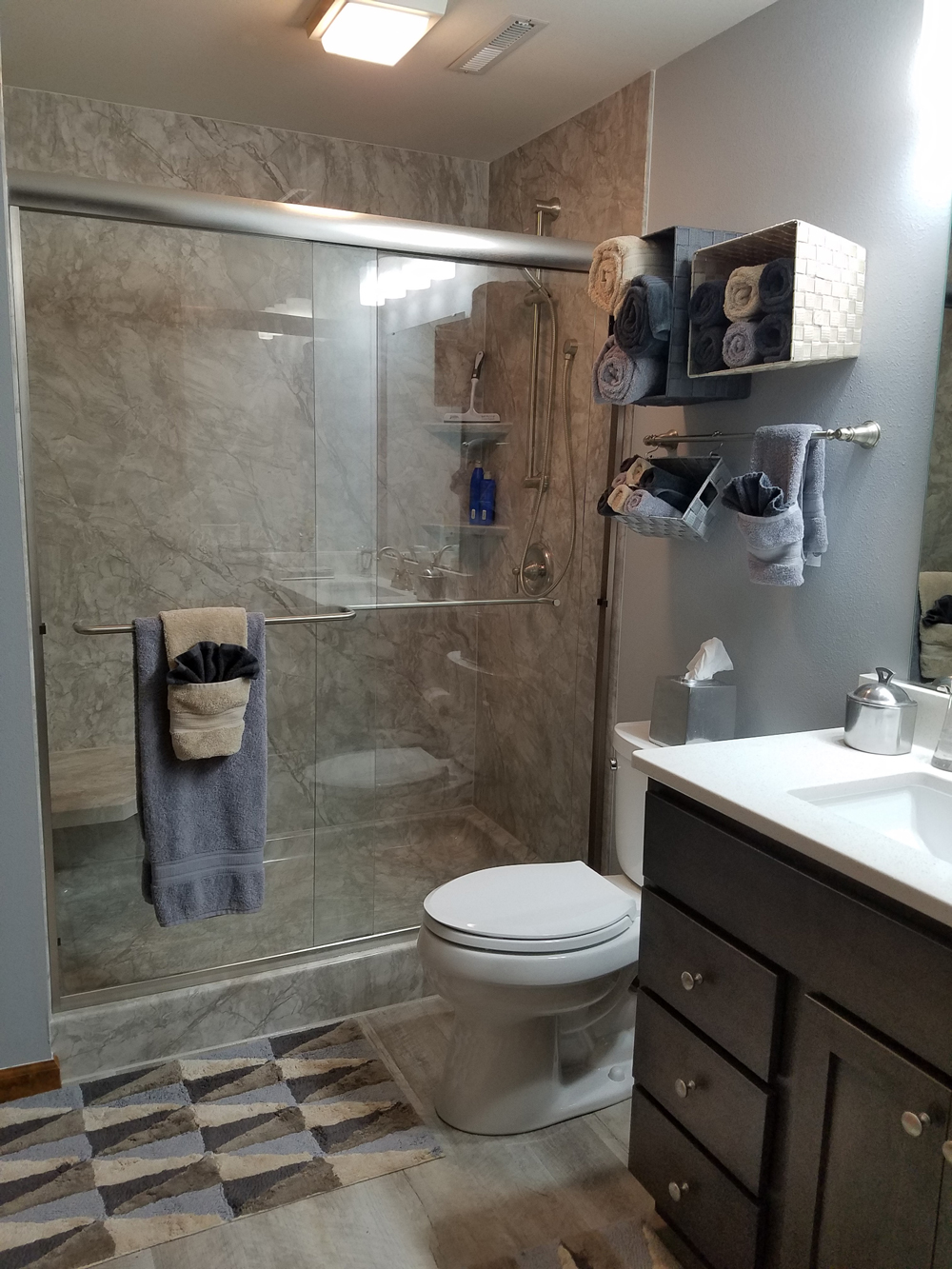
Acrylic shower surrounds offer a step up in both durability and style. These systems are made from high-quality, non-porous materials that resist mold and mildew while being easy to clean. One major benefit of acrylic is its warmth to the touch. Unlike tile, it doesn’t feel cold. At Hometown Restyling, we frequently install Bath Planet acrylic wall systems that are custom-fit to each project. These wall panels come in a wide variety of finishes, including stone and tile patterns, and can be installed in as little as a couple of days. The triple-lock seal system keeps moisture out, and the lifetime warranty offers homeowners peace of mind.
Tile Showers
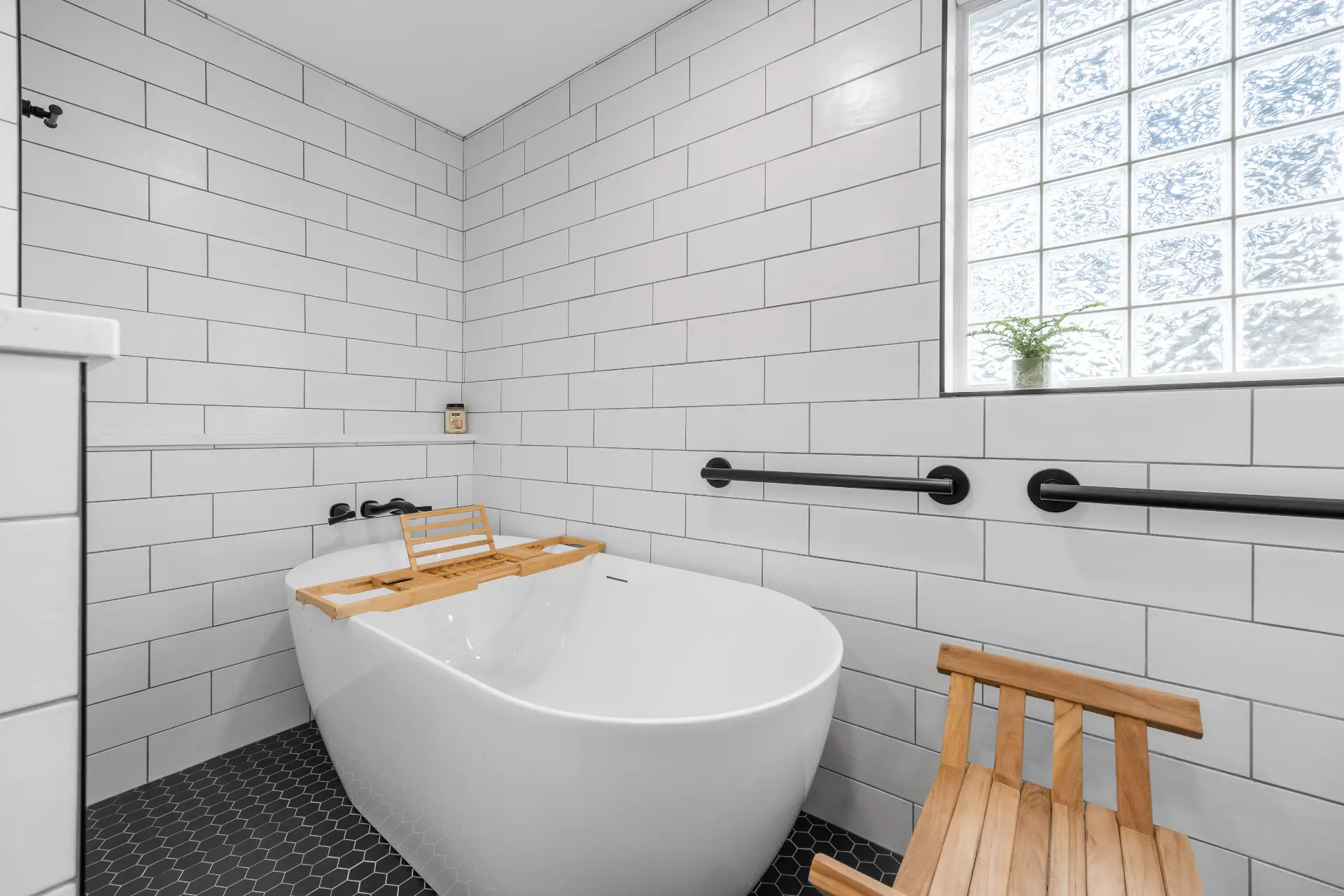
Tile is the gold standard for those who want a high-end, fully customized shower space. With nearly endless possibilities for shape, size, color, and layout, tile lets you create a design that’s truly one of a kind. It’s highly durable and adds substantial resale value to your home. For example, a bathroom remodel can recoup 40-80% of the cost in increased home value.
However, tile installation is labor-intensive and usually takes longer. Maintenance is also more involved, as grout lines need regular cleaning and re-sealing to prevent mold or staining. If you’re willing to make the investment and have a professional craftsman install it, tile is a top-tier choice.
What’s trending right now in shower design?
Across Eastern Iowa, more homeowners are requesting custom tile showers. However, rather than intricate mosaics or tiny tiles, today’s trend leans toward larger-format porcelain and ceramic tiles, especially sizes like 12×24 inches or larger. These tiles offer a sleek look while minimizing grout lines, making cleaning easier and enhancing the sense of space.
Natural stone, while still beautiful, is becoming less popular in everyday projects due to its higher maintenance and sealing needs. Porcelain and ceramic alternatives deliver the same upscale feel without the upkeep.
For those who don’t want tile at all, composite shower wall systems are gaining traction. Products like The Onyx Collection are emerging as strong contenders to acrylic, offering a more refined, stone-like aesthetic with the durability and low maintenance of modern engineered surfaces. These options appeal to homeowners who want a high-end look but prefer to skip grout entirely.
Which shower materials are easiest to clean?
“Easy to clean” is one of the most important characteristics of any shower. For homeowners who prioritize this trait, acrylic and composite wall systems are at the top of the list. These materials are non-porous, have no grout lines, and resist soap scum and mildew. A simple wipe-down with mild cleaner is often all it takes to keep them looking great.
Fiberglass is also relatively easy to clean but can become dull or scratched over time, which may lead to staining if not properly maintained.
Tile, while beautiful and durable, does require more upkeep. The tiles themselves are easy to clean, but the grout lines between them can attract moisture and become a breeding ground for mold. To keep grout looking fresh, regular scrubbing and occasional sealing are recommended.
If you’re looking for a low-maintenance solution, consider materials with fewer seams and smooth surfaces. And no matter what material you choose, proper ventilation and regular use of a squeegee can go a long way in reducing soap and mineral buildup.
StraightTALK Remodeling Tip
If you want a sharp, low-maintenance solution with fast installation, acrylic walls (like Bath Planet) are a solid bet. But if custom looks and long-term value are your priority, go with tile.
What are the best flooring options for a bathroom, and how do you choose the right one?
Choosing bathroom flooring is an important decision for a space that deals with frequent splashes, steam, and occasional overflows. You need materials that can withstand both heat and water.
Most Common Bathroom Flooring Options:
Ceramic or Porcelain Tile
A longtime favorite in bathrooms, ceramic and porcelain tile are popular for a reason. They’re completely waterproof, come in an endless array of sizes, colors, and patterns, and are highly durable. However, they can feel cold underfoot, especially during our cold Eastern Iowa winters.
Luxury Vinyl Plank (LVP)
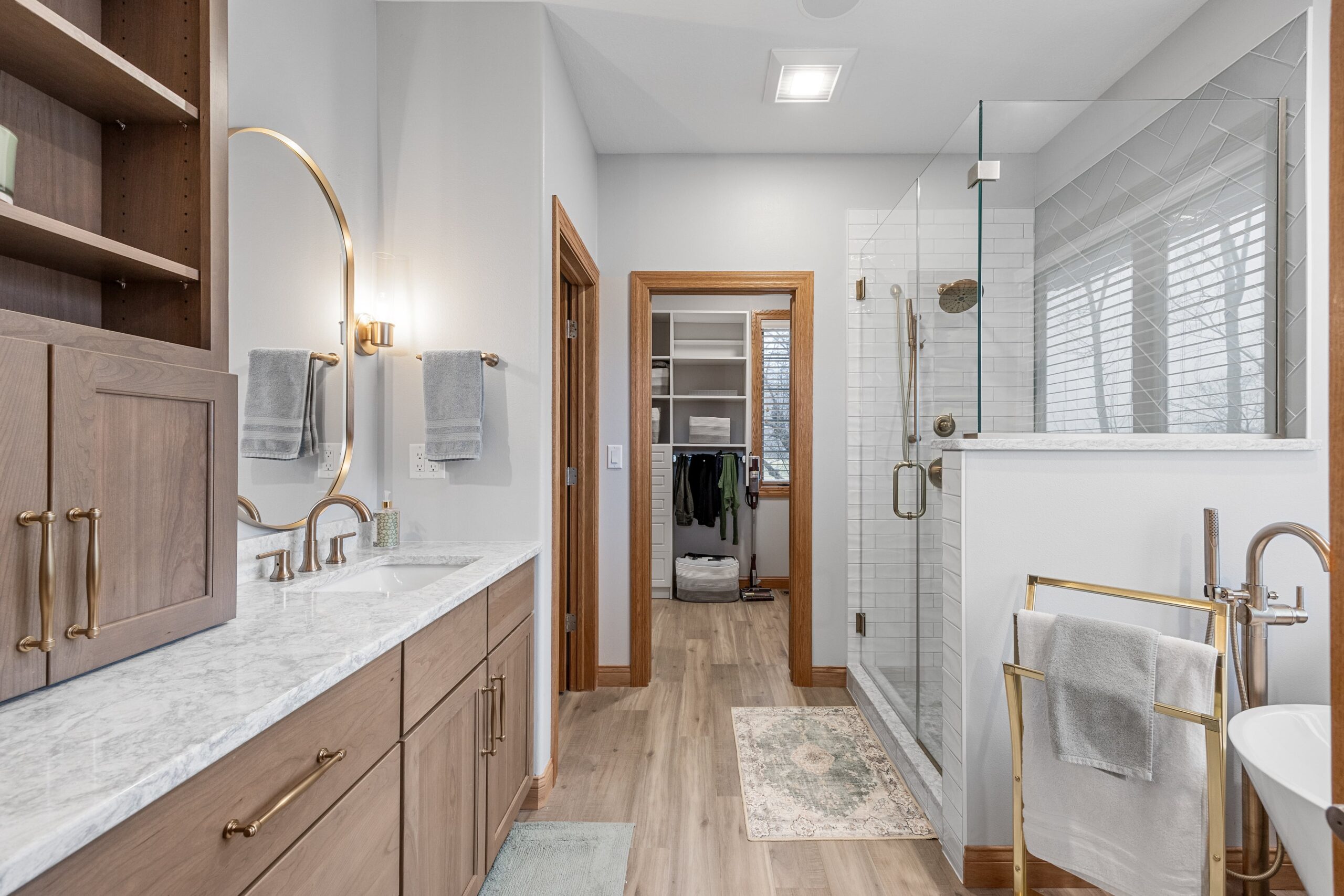
LVP has become a popular choice for homeowners looking for the wood-look warmth of hardwood with the moisture resistance of vinyl. It’s softer and warmer underfoot compared to tile, making it a comfortable option for daily use. The latest LVP is 100% waterproof and holds up well to bathroom humidity; however, it’s important to recognize that installation is just as important as the material’s waterproofing, or moisture may still get into the subfloor.
Laminate Flooring
Laminate flooring is made with a fiberboard core and a photographic layer that looks like wood or stone. While some newer laminates are water-resistant, they are not waterproof. Moisture can seep into seams, causing swelling. Laminate may work in half-baths or powder rooms, but isn’t recommended for high-moisture full baths.
Natural Stone Tile
Materials like marble, slate, or travertine can give your bathroom a luxurious feel. They’re highly durable but more porous than ceramic or porcelain and require regular sealing to stay waterproof. They can also be slippery when wet, so surface texture and proper sealing are important considerations.
What should I consider when choosing a bathroom floor?
Before selecting your flooring, consider how your bathroom is used day to day.
- Water exposure – Will kids or pets be using the space regularly?
- Slip-resistance – Especially important in walk-in showers or near tubs.
- Comfort – Tile is colder and harder, vinyl and laminate are softer underfoot.
- Maintenance – Some materials require more upkeep (hello, grout).
- Style – Will it complement your vanity, shower, and fixtures?
Which bathroom flooring is easiest to clean?
If your bathroom gets a lot of use (or if you have kids or pets), you’ll want something that doesn’t require constant upkeep. LVP or larger-sized tiles are top contenders here: they clean up with a quick sweep or mop and have fewer grout lines. Natural stone needs sealing and more specialized cleaners. If you value low-maintenance living, prioritize smooth-surface flooring with minimal seams.
Let’s talk about LVP. It’s getting a lot of love lately, but does it hold up in the bathroom as well as tile does?
Is Luxury Vinyl Plank (LVP) good for bathrooms, and how does it compare to tile?
Luxury Vinyl Plank has become very common in bathroom renovations and new construction builds. It offers a combination of comfort, style, and water resistance that works well in the unique conditions of a bathroom. But it has its limitations. If you’re trying to decide between LVP and a more traditional tile floor, understanding the trade-offs will help you make the right choice for your bathroom.
What is LVP?
Luxury Vinyl Plank (LVP) is a durable, synthetic flooring that is made to look like hardwood or stone. It’s made up of multiple layers, including a waterproof core, and is designed to handle moisture-heavy environments like bathrooms.
Pros of LVP in Bathrooms:
- It is 100% waterproof when installed correctly, making it a reliable choice for full bathrooms and high-moisture areas.
- It feels warmer and softer underfoot than ceramic tile, which adds comfort during colder Iowa months.
- It is more budget-friendly than tile or natural stone, making it accessible for a variety of bathroom remodeling budgets.
- It is easy to clean with basic sweeping and mopping, and it doesn’t require grout maintenance.
- It is available in a wide range of finishes and textures that closely mimic the look of wood or stone.
Cons of LVP:
- It can dent or scratch if heavy furniture or sharp objects are dragged across the surface.
- It typically doesn’t offer the same resale value or high-end look as natural tile or stone.
- If not properly installed, the seams and edges can lift or warp, reducing its water resistance.
LVP vs Tile: Side-by-Side
If you’re torn between LVP and tile, here’s how the two stack up in the areas that matter most.
| Feature | LVP | Ceramic/Porcelain Tile |
| Waterproof | ✅ | ✅ |
| Durability | Moderate | High |
| Warmth Underfoot | Warmer | Colder |
| Cost | Lower | Higher |
| Maintenance | Easy | Easy, but grout needs care |
| Resale Appeal | Moderate | High |
Can you mix flooring types in the same bathroom?
Absolutely. In fact, some homeowners choose to install tile in wet areas, like the shower or around the tub, and use LVP in dry zones near the vanity or entryway. This approach can help manage costs while still delivering durability. Just make sure transitions between materials are professionally finished to prevent moisture issues.
StraightTALK Remodeling Tip
For guest bathrooms or powder rooms, LVP offers an attractive solution. But if you’re investing in a primary bathroom or want the longest-lasting value, tile is still the king.
Now that we’ve covered floors and showers, let’s look at what materials are actually waterproof, and which ones just claim to be.
What bathroom flooring is actually waterproof—and what should you avoid?
Waterproof bathroom flooring is critical in a place like Iowa, where winter humidity can be bone-dry, and summers get sticky. Choosing waterproof materials helps prevent warping, mold, or rot.
Truly Waterproof Bathroom Flooring:
- Luxury Vinyl Plank (LVP)
- Ceramic & Porcelain Tile
- Acrylic Shower Panels (for walls)
- Properly sealed natural stone
Water-Resistant (but not waterproof):
- Laminate flooring – can be vulnerable to swelling
- Engineered wood – risky in high-moisture areas
- Grout or natural stone without sealant
Is waterproof flooring the same as mold-proof flooring?
There are some key differences between “waterproof” flooring and “mold-proof” flooring. While waterproof materials prevent water from soaking into the surface and beyond, they don’t eliminate the risk of mold altogether. Mold thrives in damp, dark environments, like behind walls or under floors, so proper ventilation and regular cleaning are still essential. Even with the best materials, a poorly ventilated bathroom may be a breeding ground for mold and mildew.
What other things do bathroom remodelers do to waterproof a bathroom?
Professional remodelers often use additional waterproofing methods beyond the shower and the flooring material alone. This can include installing waterproof membranes under tile, using waterproof backer board behind shower walls, sealing around plumbing penetrations, and applying high-quality sealants. In showers, a sloped pan and proper drainage system are also critical to preventing standing water.
What about the subfloor—does that need to be replaced, too?
In some remodels, the condition of the subfloor is not an issue. But in older homes, or in bathrooms with water damage, your contractor should recommend replacing it. A weakened or uneven subfloor can compromise even the best flooring materials. During the demolition phase, bathroom remodelers will inspect for rot, mold, or sagging and suggest reinforcement or replacement if needed. Investing in a solid foundation ensures your new flooring performs exactly as intended.
Questions to Ask Your Contractor About Waterproofing:
- Is this flooring rated for full bathrooms or wet areas?
- What kind of underlayment will you use beneath this flooring?
- How do you seal the edges and transitions—especially around tubs or toilets?
- What waterproofing system do you use in showers?
- Do I need to reseal or maintain this flooring over time?
StraightTALK Remodeling Tip
Even waterproof materials can fail if the installation isn’t done right. Always ask your remodeler about waterproofing underlayment, sealed seams, and proper slope around drains.
Let’s talk about finishing touches. Fixtures and finishes bring your bathroom together, but who’s responsible for picking and purchasing them?
Can I choose my own fixtures and finishes for my bathroom remodel?
In most bathroom remodeling projects, fixture and finish selection is a shared process between the homeowner and the contractor, but how that works can vary. Some remodelers offer full design-and-supply services, meaning they handle both product selection and ordering. Others expect the homeowner to provide specific fixtures, especially if they’ve already purchased or sourced from somewhere the remodeler doesn’t have access to. It’s common for remodeling contractors to work from a preferred list of vendors to help streamline timelines and avoid compatibility issues.
The most important thing? Have this conversation early. Knowing who’s responsible for purchasing and what happens if you change your mind mid-project can prevent delays, misunderstandings, and budget surprises.
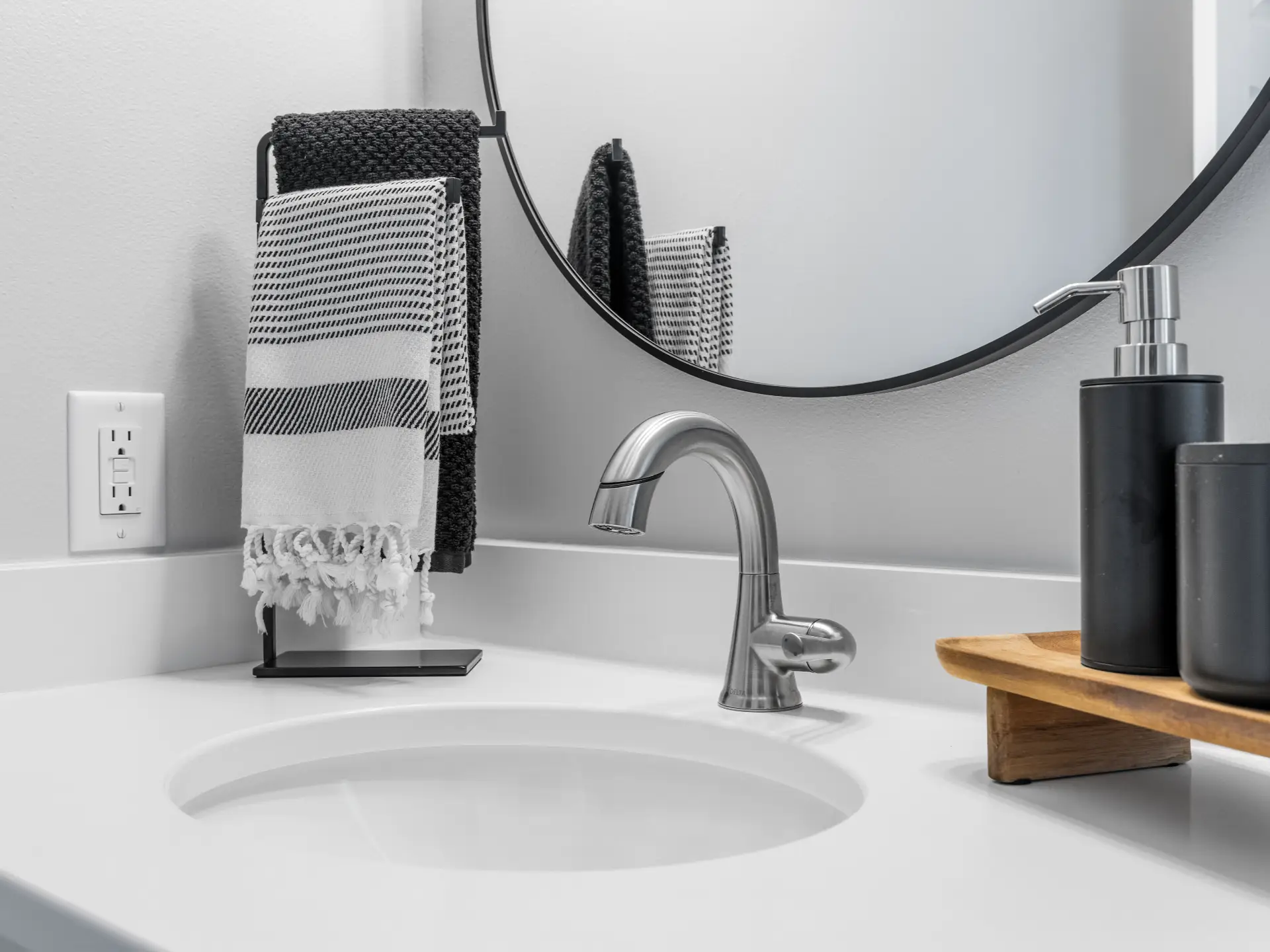
Here’s how we handle it at Hometown Restyling:
We encourage you to select the styles, finishes, and fixtures you want: from faucets and sinks to lighting and cabinet hardware. This ensures your bathroom looks and feels exactly the way you envisioned.
From there, we handle the ordering and coordination through our vetted network of suppliers. This helps us keep the project on schedule, confirm product availability, and avoid costly last-minute changes.
If you already have fixtures or are considering something unique, we’re happy to review it. We’ll double-check compatibility with your plumbing and layout before giving it the green light.
StraightTALK Remodeling Tip
Lock in your fixture and finish decisions before construction begins. Changing specs during the remodel can affect everything from plumbing rough-ins to countertop cutouts, slowing things down fast.
StraightTALK Wrap-Up
Your bathroom should be built to last – and to be loved. When you choose the right materials, you get a space that not only looks good but stands up to real, daily use.
In this guide, we explored the best bathroom flooring options for Iowa homes, including LVP, tile, vinyl, and laminate. We compared LVP to tile so you know which works best where. We also walked through the pros and cons of shower materials like fiberglass, acrylic, and tile, and talked about what’s truly waterproof, and what only claims to be. Finally, we outlined how fixture and finish selection works during a remodel so you can stay in control while keeping your project on track.
Want to take the next step? Read our guide on how much a bathroom renovation costs to help you plan your budget wisely and start the process to bring your dream bathroom to life.