

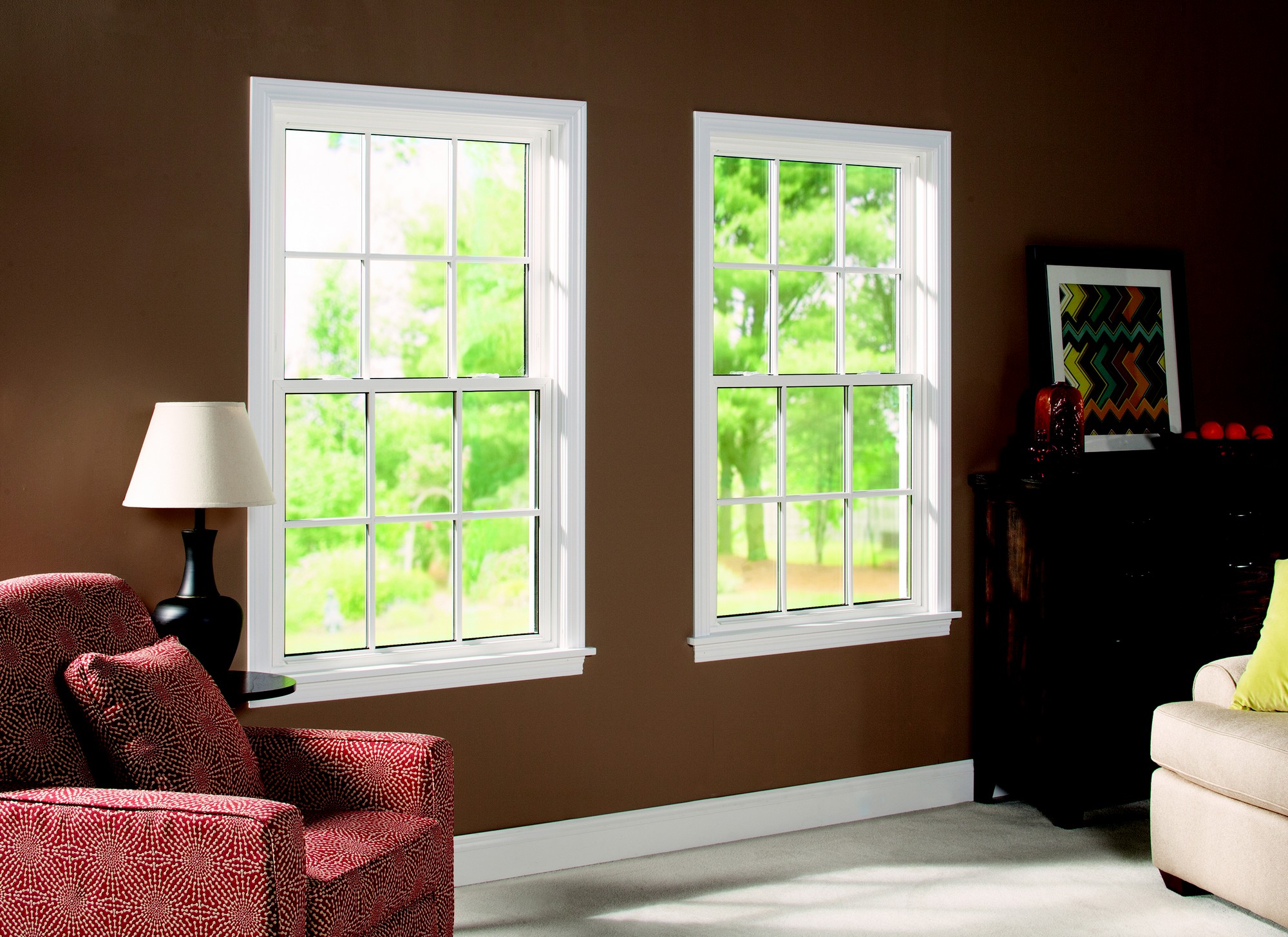
If you’re like most homeowners in Eastern Iowa, you didn’t get much say in the windows your home came with. Even if you built your house new, those decisions were often made by your builder and based on budget and availability, not necessarily on long-term performance or future ease of window replacement.
Window Replacement | Features | Glass | Pricing | Recommendation
Now that it’s time to replace them, the process looks completely different. This time, it’s your call. And that means considering how windows will perform, look, and function for your specific needs. Whether you’re dealing with drafts, fogged glass, or just a dated appearance, we’re here to walk you through a process that puts your comfort and investment first.
Let’s break it down into five essential questions that every homeowner should understand while planning a home window replacement project.
Which window should I pick for my home?
Choosing replacement windows for your home should take into account a few key factors that will vary from home to home. There are dozens of window styles available, and the truth is, not every style is a good fit for every home. The window replacement you choose should do three things:
- Match your home’s design,
- Meet your functionality needs, and
- Support energy efficiency for our Eastern Iowa climate.
Window Operational Styles to Know:
Windows are an integral part of how your home functions and feels. Here’s a quick breakdown of the most common operational styles and what they offer in terms of appearance, cleaning, and maintenance.
- Double-Hung Windows: Tilt-in for easy cleaning, excellent ventilation, classic design.
- Casement Windows: Crank-open style, excellent for energy efficiency and tight seals.
- Sliding Windows: Ideal for wide openings, offering smooth horizontal operation.
- Picture Windows: Fixed in place, perfect for capturing views and natural light.
- Bay and Bow Windows: Add space and dimension to a room with a stylish projection.
- Awning Windows: Open outward with a hinge at the top, great for ventilation even during rain.
Each style brings its own benefits and considerations. So, your next step is matching the look and function you need with the right material and performance features.
Aesthetic Fit
Most homes were designed with specific window styles in mind. That wasn’t random; an architect or designer chose that shape, size, and operation for a reason. Swapping window replacement styles might seem like an upgrade, but it can throw off your home’s overall design unless it’s done thoughtfully.
Maintenance Expectations
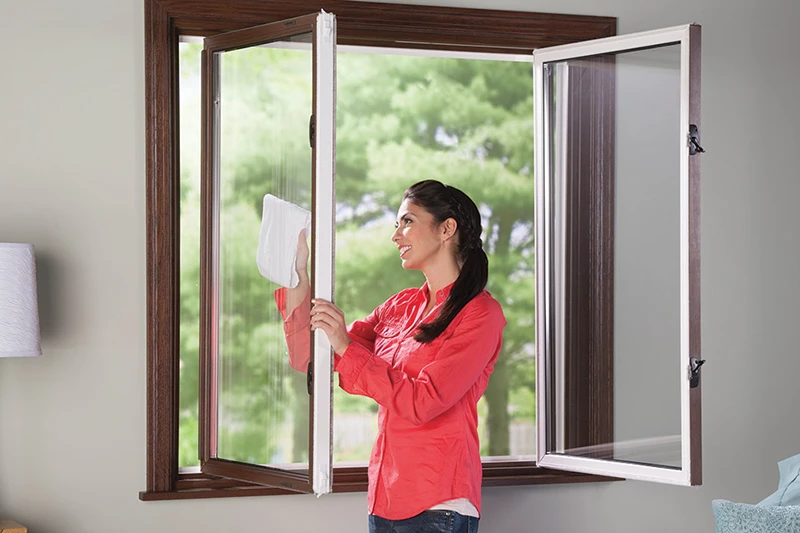
Different frame materials come with different levels of upkeep, which can affect your long-term satisfaction with your window replacement. Vinyl windows are virtually maintenance-free, requiring only occasional washing. Wood windows, on the other hand, need routine painting or sealing to avoid rot and warping. Fiberglass frames can be repainted, though they don’t need to be often. Consider how much time you want to spend maintaining your windows over the next 10–20 years before you commit.
StraightTALK Remodeling Tip
When working through a window replacement project, try to stick with “like-for-like” unless you have a strong functional reason to change. A single casement window might not be a clean swap for a slider, and a style mismatch may affect the look of your house more than you think.
When it comes to energy-efficient windows, there are several features to consider that impact how efficient the window is, including frame materials, insulation, air infiltration, and glass type.
What features are important in a replacement window?
There are a few key features to consider when replacing windows, but these are more than features; they’re key decision points. Choosing a window replacement isn’t just about the glass. It’s also about the materials, insulation, weight, and even the window’s construction.
Frame Materials:
Vinyl Frames
Vinyl is our top recommendation for most homeowners. It offers an ideal balance of affordability, energy efficiency, and low maintenance. Unlike wood, vinyl doesn’t rot, warp, or require painting. It’s also naturally insulating and available in a range of colors and finishes to complement any home design. For value and performance, vinyl is hard to beat.
Fiberglass Frames
Fiberglass is stronger, but more rigid than vinyl, which can be a plus in large window openings. It can also be painted to match your exterior. However, fiberglass windows are usually much heavier than vinyl, which can stress the window mechanics over time. The additional weight also makes them more difficult to operate (open, close and slide), and clean. Additionally, the corners are often mechanically fastened (glued or screwed together), which may weaken over time.
Wood Frames
Wood windows are classic, beautiful, and timeless. But today’s wood isn’t what it used to be. Many homeowners remember their original wood windows lasting 50, 60, or even 100 years. That’s because older wood came from slow-growth trees, which had tighter grains and were more resistant to rot and wear.
Today’s wood is typically harvested from fast-growing trees. It lacks the density and durability of old-growth timber. As a result, modern wood windows are more susceptible to rot, warping, and insect damage. They also require regular maintenance, like sanding, sealing, and painting, to preserve their integrity. For homeowners who prioritize looks above all else and are prepared to maintain it, wood can still be a good fit. But it’s important to go in with eyes wide open.
Aluminum Frames
Aluminum frames are lightweight and strong, often used in commercial or modern-style homes. However, they are highly conductive, meaning they transfer heat and cold easily, which is not ideal in Iowa’s variable temperature patterns. We have high summer temperatures and freezing winter temperatures. Aluminum frames offer minimal energy efficiency and are not generally recommended for residential window replacements unless desired explicitly for aesthetic or structural reasons.
Insulation
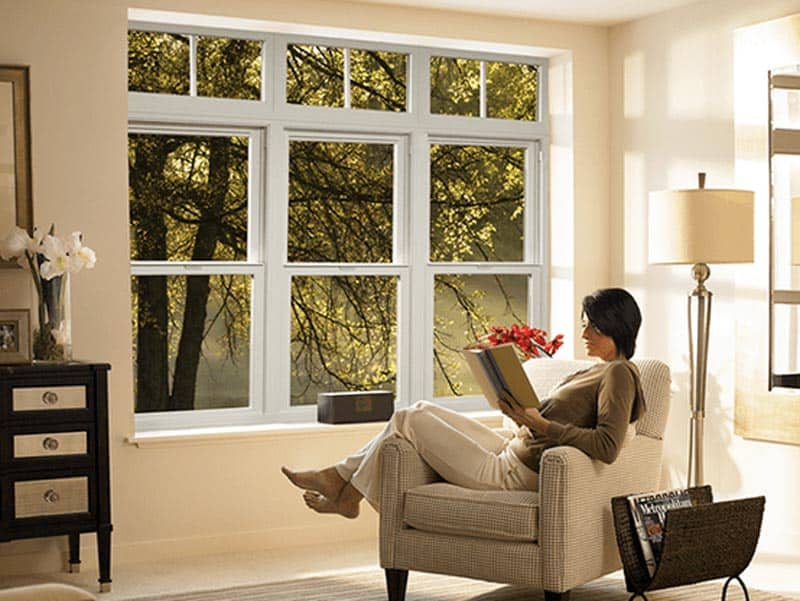
Insulated window frames feature internal barriers that help reduce thermal transfer between the inside and outside of your home. This extra layer of protection minimizes the amount of heating or cooling that escapes through the window frame itself. In a climate like Eastern Iowa’s, where temperatures swing dramatically between seasons, insulated frames can significantly enhance comfort and reduce your monthly energy bills. It’s one of the less-visible features that make a big impact on performance.
Air Infiltration Ratings
Every window has an air infiltration rating, which tells you how much outside air can seep into your home through the window when it’s closed. A high-quality window with a poor air infiltration rating is essentially undermining its own efficiency. Worse yet, a perfect window, poorly installed, can still leak air like a sieve. That’s why it’s so important to consider not just the window itself but who’s doing the window replacement installation. Look for both product specs and contractor experience when reviewing air infiltration concerns.
Internal Construction Matters
The durability and strength of a window are directly tied to how it’s put together. Many budget-friendly windows use mechanically fastened corners, meaning they are held together with screws or glue. While this may hold up for a few years, repeated expansion, contraction, and usage can cause these joints to weaken or fail over time. Better-made windows are often fusion-welded at the corners, forming a single, continuous piece that resists separation and offers superior long-term performance. Don’t overlook what’s happening inside the frame when comparing options.
What are the best glass options for windows?
Glass technology has come a long way, so you have some great options to choose from. Understanding the choices you have helps you match glass performance to our Eastern Iowa weather and comfort needs.
Low-E Coatings
Low-E (low-emissivity) coatings are microscopic layers of metal applied to the glass surface that reflect heat while allowing visible light to pass through. These coatings are essential in managing your home’s internal temperature.
Consider your home’s sun exposure, heating and cooling patterns, and your overall energy goals when selecting Low-E levels. A south- or west-facing wall with lots of glass may need more protection than a shaded north-facing one.
Glass Thickness
Thicker glass not only enhances durability but also helps reduce outside noise and increase security. Homes near highways, airports, or even loud neighborhoods benefit from this added sound barrier. Thicker glass can also withstand weather extremes better (think hail, heavy winds, or flying debris). It’s worth considering if your home is in an exposed or high-traffic area.
Tinted or Reflective Glass
Tinted or reflective coatings can minimize glare and limit solar heat gain (when the sun shines in and warms your interior room in the summer), making them useful in certain settings. While more common in southern states, these options can still be valuable in Iowa homes with large, west-facing windows that bake in the afternoon sun. Keep in mind, though, that tints will slightly reduce natural light. Make sure the tradeoff fits your lifestyle and light preferences.
Grids Between the Glass
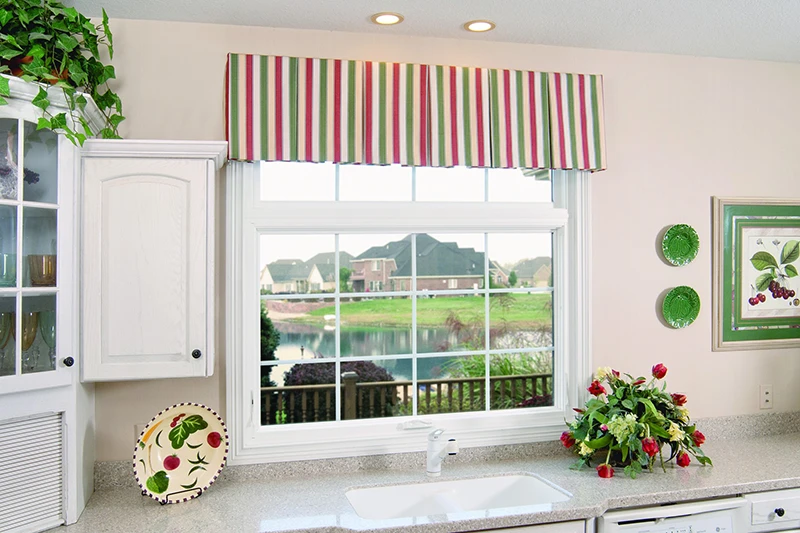
Grids can add character to a home’s exterior and enhance curb appeal, especially if you’re going for a more traditional or historic look. But they do break up the view from the inside and can subtly impact energy efficiency due to the spacer bars running between the panes. Since grids are permanently sealed inside the window, they can’t be removed or changed later without replacing the glass. If you’re drawn to them for aesthetic reasons, make sure the design fits the long-term look you want for your home.
StraightTALK Remodeling Tip
Ask about “good, better, best” glass packages. Pick the one that best matches your comfort goals, not just the cheapest option.
How do features or options factor into window pricing?
Window pricing varies widely. Several factors come into play, and knowing what you’re paying for can help you make a better decision for the style of your home as well as efficiency, energy savings, and future maintenance costs.
1. Frame Material
Vinyl is typically the most budget-friendly (often running between $400 and $1,600, including installation). Fiberglass and wood cost more due to higher material and manufacturing expenses.
2. Glass Packages
Standard double-pane windows are the norm, but options like Low-E coatings and triple-pane glass improve energy performance. Each tier adds cost but can reduce long-term utility expenses.
3. Window Size & Style
Picture and bay windows cost more than standard double-hung or sliding windows due to their size and complexity. But beyond price, consider the function and feel they bring to your home. Large windows offer sweeping views and more daylight, which can dramatically improve a space. However, changing window types from what your home originally had can be tricky. For instance, replacing casement windows with sliders might work in some areas, but can cause design inconsistencies or operational challenges elsewhere. We always recommend evaluating whether a style change makes sense throughout your home’s layout, not just in one room.
4. Grids and Decorative Elements
Grids between the glass look great, but homeowners should remember that they are permanent. They can slightly reduce energy performance and impact your view. Their style can also become dated over time. Some homeowners love the charm of colonial or prairie-style grids, but others may find they interrupt the clean lines and full views that many trendy designs prioritize. And you can’t change them later without replacing the entire window. Because grids are sealed inside the glass, they can’t be swapped out without replacing the entire window. So if you go with grids, be sure it’s a look you’ll still want 20 years from now.
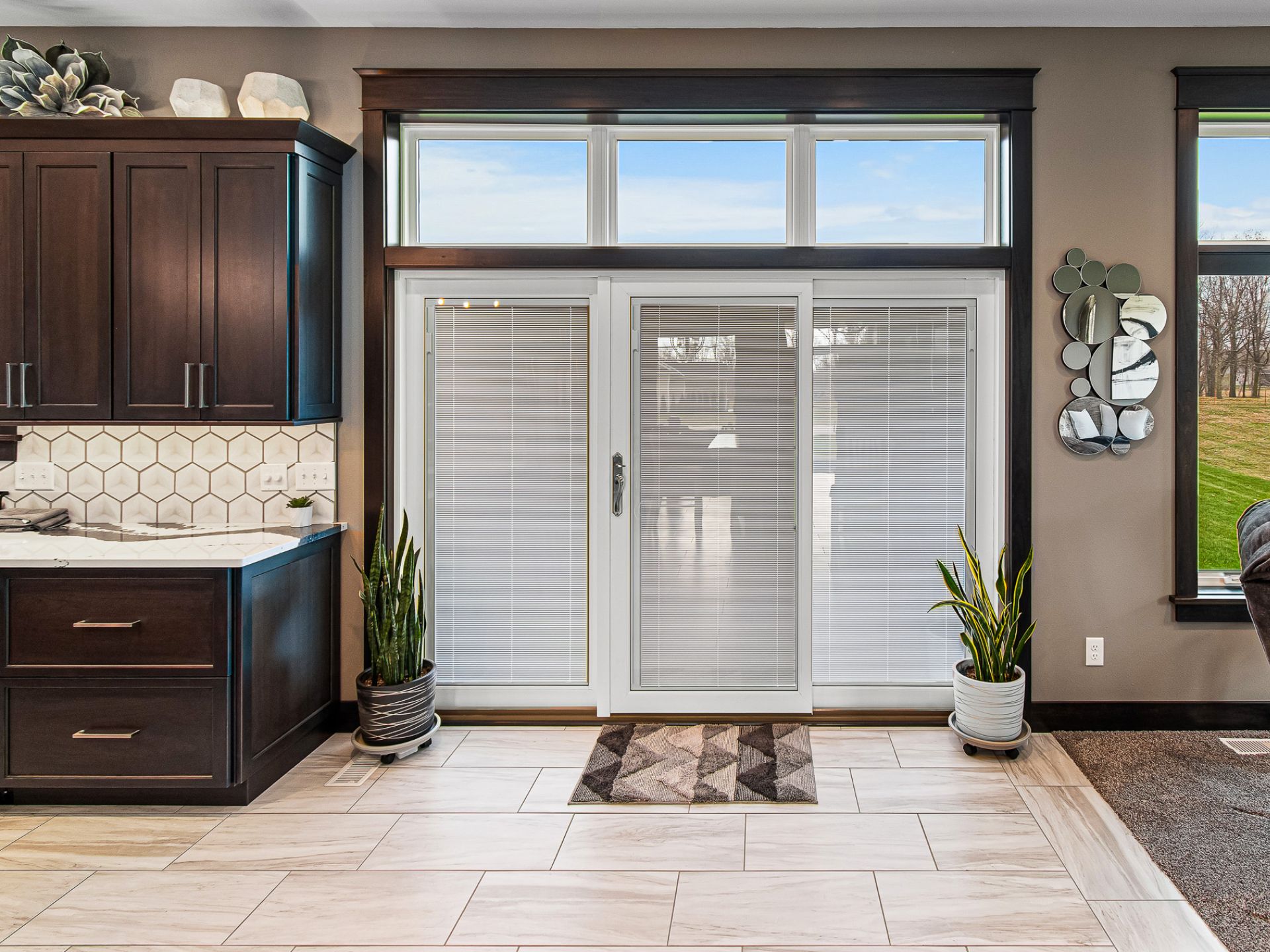
5. Blinds Between Panes
These are popular in sliding doors but are impractical for operable windows due to cleaning and functionality concerns. They increase costs and, in many cases, restrict window operation. In theory, they seem ideal: no tangled cords or blades that bend when bumped (Hello, parents! We see you!). But in practice, they can cause issues.
For instance, on double-hung windows that tilt in, the internal blinds can shift or fall. On casement or sliding windows, you may lose the ability to fully open the sash or access the blinds unless the window is shut. The mechanism also adds bulk and complexity to the window frame. That said, in fixed or patio door units, they’re a great solution. Just be cautious if you’re thinking of installing them throughout the home.
StraightTALK Remodeling Tip
Window pricing reflects quality, performance, and customization. Know what you’re paying for, and avoid being upsold on flashy features that don’t add long-term value or functionality.
What types of windows do home remodelers typically recommend?
At Hometown Restyling, we typically recommend vinyl windows for most homeowners. They offer the best combination of energy efficiency, durability, and low maintenance, without the ongoing upkeep of wood. Vinyl windows don’t warp, rot, or peel, and they hold up exceptionally well through Iowa’s seasonal changes.
We also make style recommendations based on your home’s existing layout and architecture. If you tell us what you love, whether that’s lots of sunlight, easy operation, or a particular look, we’ll work with you to find the window that delivers on that vision while still ensuring long-term performance and proper fit.
Many times, that means we’ll recommend a window replacement style similar to what you already have. Why? Because most homes were designed with certain window operations in mind, and the structure itself may limit what types of windows will actually fit and function well. For example, it’s not always feasible to install a double-hung window in a space that was built for a slider; the mechanics and dimensions just don’t align. That’s why we take the time to evaluate each opening and suggest solutions that meet both your goals and your home’s needs.
StraightTALK Remodeling Tip
Focus on how you use your space. A kitchen window that opens for fresh air may benefit from a casement, while a living room picture window provides an uninterrupted view.
StraightTALK Wrap-Up
Choosing new windows means selecting the right windows for your home’s design, energy needs, and lifestyle. From Cedar Rapids to Marion and Iowa City to Cedar Falls, we’ve helped hundreds of homeowners through the decision-making process.
Keep in mind:
- Pick the window style that complements your home.
- Invest in the right materials and glass options for our Midwest climate.
- Don’t get distracted by flashy upgrades that don’t serve a purpose.
- Trust professionals who understand not just windows, but how to install them properly.
Need help choosing the right windows for your home? Get in touch with our team. We’ll walk you through your options, offer honest advice, and make sure your window installation adds value, comfort, and style for years to come.
And if you’re thinking about window replacement or just want a refresh, let us know, and we can recommend a trusted window coverings expert in the area.
Or if you’re looking for more answers on replacing windows and doors, read on here: What Every Homeowner Should Know About Replacing Doors and Windows in Eastern Iowa.