


If you’re planning a home remodel in eastern Iowa, whether in Hiawatha, Cedar Rapids, Iowa City, or the surrounding areas, one of the most important questions to ask your contractor is this: What role do subcontractors play?
Subcontractor | Considerations | Risks | Responsibility | Mistake Correction
Your contractor might not be doing all the work themselves. Some parts of your project might be subcontracted out to other companies or specialists. That can be a good thing, or a red flag, depending on how it’s managed.
In this week’s StraightTALK article, we break down everything homeowners should know about subcontractors: what they do, the risks, who organizes them, and who’s responsible if something goes wrong. You’ll get clear answers based on our nearly 40 years of serving homeowners across eastern Iowa.
What does a subcontractor do in a home remodel?
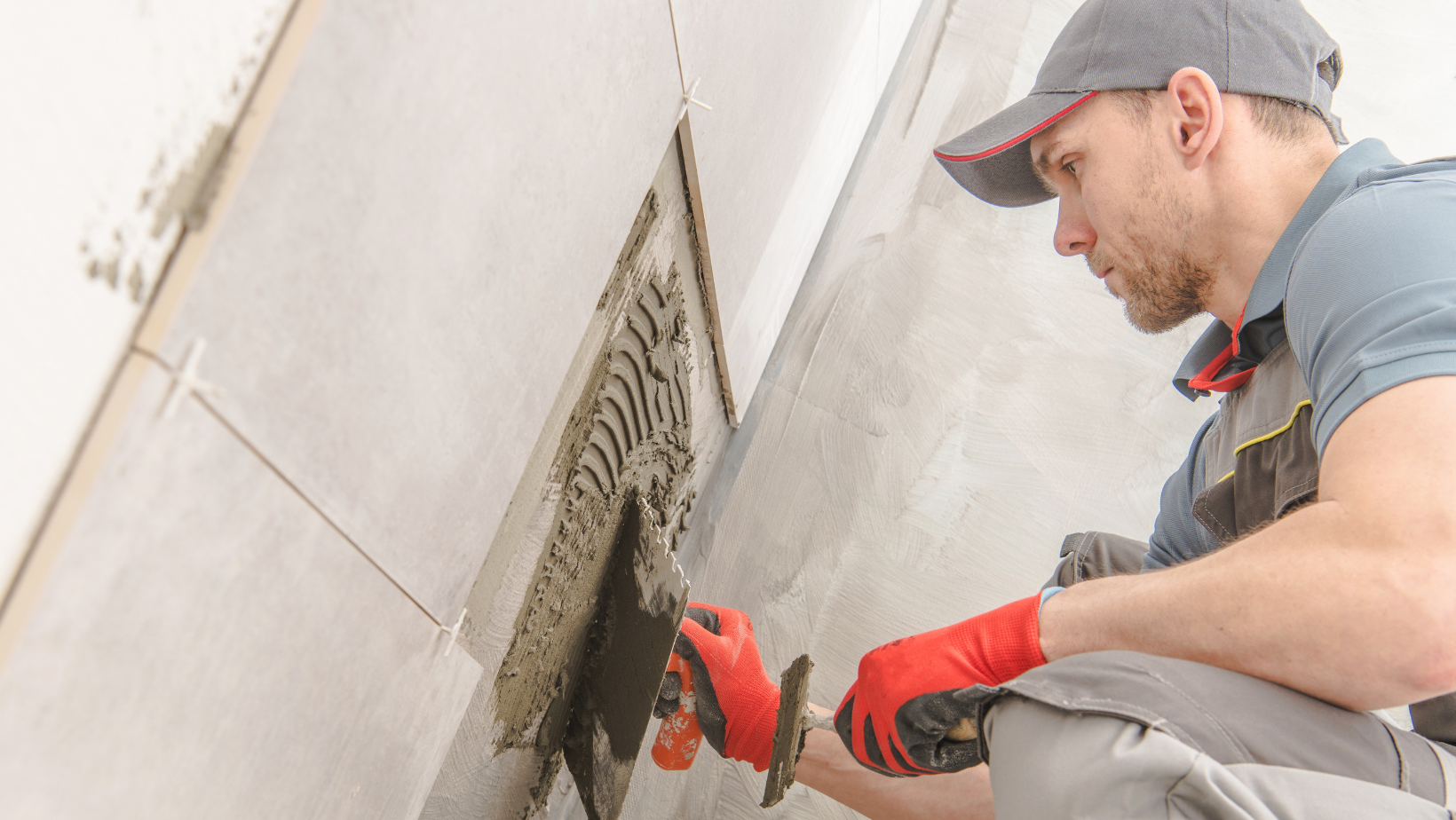
A subcontractor is a specialist hired by a contractor (often a general or prime contractor) to perform a portion of the work on a remodeling project. The general contractor holds the main contract with the homeowner and is responsible for the overall execution of the job. Subcontractors are brought in to handle specific trades, like plumbing, electrical, HVAC, tilework, roofing, and more.
Here’s how it works:
- The general contractor manages the big picture. They’re responsible for scheduling, permits, design alignment, and ensuring the entire scope of work gets completed on time and within budget.
- The subcontractor focuses on their trade. Their job is to complete their assigned scope of work to specification while adhering to the schedule, safety standards, and building codes.
- Subcontractors work under the general contractor (GC). They don’t have a direct contract with the homeowner (unless you’ve arranged one, which is uncommon in remodeling).
- They manage their own crews and materials. While the GC sets expectations, the subcontractor brings in their team, tools, and materials.

Why do some general contractors subcontract portions of the project?
There are several reasons why general contractors use subcontractors:
- Specialization: It allows the GC to bring in skilled experts instead of trying to do everything in-house. For example, a licensed electrician or plumber will handle their own trade.
- Efficiency: With multiple trades working at once (electrical in one room, flooring in another) subcontracting can accelerate the timeline.
- Cost control: Rather than maintaining a large, full-time staff for every trade, subcontractors are used as needed, helping manage costs and keep bids more competitive.
At Hometown Restyling, we use subcontractors for trades such as electrical, plumbing, or concrete pouring when a project requires them. We’ve partnered with these professionals for years. We know their quality, communication, and standards align with our own.
From the homeowner’s point of view, the subcontractor may never knock on your door or introduce themselves, but their craftsmanship is visible in the project results. That’s why who your contractor chooses matters.
Using subcontractors isn’t a red flag in itself. In fact, it’s standard in nearly all remodeling and construction work. The key is whether your contractor manages the subcontractors well, sets clear expectations, and takes full responsibility for their work.
StraightTALK Remodeling Tip:
Subcontractors should be licensed, insured, and familiar with your contractor’s expectations. Ask your remodeler how long they’ve worked with their subs, and how they manage quality control.
Who organizes subcontracted work on a remodel?
Your general contractor organizes the subcontracted work for your home remodeling project. If you’re working with Hometown Restyling, we’re your one point of contact. That means we coordinate scheduling, inspections, deliveries, and punch lists, even when a subcontractor is involved.
This matters because some homeowners may want to go with a “guy they trust”—a solo local contractor—which may work out just fine. But sometimes, that person doesn’t have the bandwidth or network to handle everything within the scope of your project well. You might end up coordinating between trades yourself or dealing with finger-pointing if issues arise.
Working with a long-standing, local company like Hometown Restyling, you get the comfort of a physical location, a known reputation, and a dedicated service department. We don’t disappear after the job’s done, and we don’t pass the buck.
Should I worry if my contractor uses subcontractors in Iowa?
You shouldn’t worry if your general contractor uses subcontractors, but you should ask some questions. Using subcontractors is very common and often a sign of a well-organized remodeling business. The key issue isn’t whether subcontractors are used, it’s how well they’re managed.
Why subcontracting specialty trades is often a good thing:
Bringing in specialized subcontractors can actually enhance the quality of your remodel. Skilled trades like skylight installation and countertop cutting require deep knowledge and precision. A contractor who partners with experienced tradespeople often produces better results for a project that involves many specialties than one who tries to do it all in-house.
Subcontracting also allows for more efficient workflows. While one team installs countertops, another can work on electrical, speeding up the overall project timeline. And let’s be honest: no one is an expert in everything. When a contractor brings in pros where needed, that’s not a weakness; it’s smart project management.
At Hometown Restyling, we handle most installations with our in-house team, but for specialty tasks, we partner with trusted local subcontractors we’ve worked with for years. It’s a hybrid model that prioritizes quality for your home.
When subcontracting should raise questions for a homeowner:
It’s totally fair to ask your contractor for clarity on who’s doing what. Here are a few questions to ask:
- Which parts of my project are done by your in-house crew, and which are handled by subcontractors?
- How do you vet your subcontractors?
- How long have you worked with them?
- Will I be dealing directly with subcontractors, or are you managing all aspects of their work?
If your contractor hesitates to answer these questions or won’t share subcontractor credentials or licensing, that’s a red flag. Clarity and accountability should be built into every step of your remodel.
What to look for in a general contractor managing subcontractors:
You want a contractor who owns the process from start to finish, even when subs are involved. That includes:
- Coordinating and inspecting the subcontractor’s work.
- Managing the schedule and communication.
- Providing a written contract that outlines:
- The scope of work for each trade.
- Who is responsible for quality and corrections?
- How disputes or problems will be resolved.
- Proof that each subcontractor is licensed, insured, and qualified.
- Clear updates throughout the project, so you know who’s on site and what they’re doing.
With Hometown Restyling, you won’t be left wondering who’s responsible if something needs a fix. We are.
When managed right, subcontractors are a valuable part of a successful remodel. When handled poorly, they’re a liability. Make sure your contractor is on top of it.
What are the risks of subcontracting trades for your remodel?
Subcontracting brings many benefits, but, like all business arrangements, it also carries risks. Here are common concerns that homeowners should be aware of:
1. Communication & coordination issues
When multiple parties are involved (your contractor, their subcontractors, and subcontractors’ crews), details can get lost. Miscommunication about delivery dates, installation expectations, or schedules can lead to mistakes or delays.
2. Quality and workmanship variance
Not all subcontractors operate with the same level of quality, and your contractor’s oversight plays a huge role here. If a subcontractor is rushed or juggling multiple jobs, they might not put the time and care into your project that you’d expect. This can lead to patchy finishing work, alignment issues, or even problems that don’t surface until months later. When the contractor isn’t closely inspecting and approving the sub’s work, quality suffers.
3. Liability and responsibility confusion
If something goes wrong who’s responsible? You? The subcontractor? Your general contractor? This is where things can get murky if responsibilities aren’t clearly outlined. Worse yet, if the subcontractor isn’t properly licensed or insured, you could be left holding the bag. It’s critical that your contractor only hires subs who carry the proper documentation and backs up their work with real accountability.
4. Schedule & cost risk
Subcontractors often work on multiple jobs at once, meaning your project may have to compete for their time. If one sub is delayed, it can throw off the entire sequence of trades that follow, delaying your whole remodel.
5. Safety, regulatory, and compliance risk
Safety on site isn’t just about OSHA checklists; it affects your liability, your home’s integrity, and your inspection outcomes. If a subcontractor isn’t following proper safety protocols, is unlicensed, or performs work that doesn’t meet code, it can lead to failed inspections or worse. Even though they’re subcontracted, the primary contractor (and ultimately you as the homeowner) could still be held accountable if something goes wrong.
How you can mitigate subcontractor risks as a homeowner
The good news is that many of these risks are avoidable if you ask the right questions and get everything in writing. Here’s how to protect your project:
- Ask for a list of subcontractors. A confident contractor should be transparent about who they work with.
- Verify credentials. Ensure that all subcontractors are properly licensed and insured.
- Clarify roles and scope. Your contract should specify what each subcontractor is doing and who is responsible for overseeing them.
- Insist on accountability. Your main contractor should take full responsibility for the project.
- Understand how oversight works. Ask how your contractor checks the subcontractor’s work and keeps things on schedule.
- Keep communication lines open. You should never be surprised to see new faces on your job site. Your contractor should be your single point of contact.
At Hometown Restyling, we manage subcontractor relationships with the same level of care we bring to our in-house crews. We only work with subcontractors who meet our standards, and we stay closely involved in their work from start to finish.
Are general contractors responsible for subcontractors’ work?
Your main contractor holds the ultimate responsibility for the entire scope of work under your contract, even the parts they delegate to subcontractors.
Here’s how to understand that responsibility:
1. Contractual responsibility to you (the homeowner)
When your contractor signs a contract with you, they’re on the hook for the entire project, even the parts they outsource. Your agreement is with them, not with any subcontractors. This means they’re responsible for ensuring the work meets expectations, timelines, and quality standards.
2. Regulatory / safety responsibility
According to the U.S. Occupational Safety and Health Administration (OSHA), a general contractor cannot offload safety responsibilities by subcontracting the work. If a prime contractor signs on to complete a job covered by OSHA safety rules, they are fully responsible for making sure all safety regulations are followed, even if they hire subcontractors to do the actual work.
However, under OSHA regulations, subcontractors are also responsible for safety on their part of the job. So both the prime contractor and each subcontractor are responsible for OSHA compliance within their part of the work.
Because that joint responsibility exists, both the general contractor and any subcontractors (at any level) can be penalized if safety violations occur. That means OSHA can hold both parties accountable, not just the one who caused the problem.
3. Oversight and coordination responsibility
It’s the general contractor’s responsibility to coordinate all trades, including subcontractor work. That includes selecting qualified subs, obtaining proof of insurance and licensing, verifying competency, managing progress, and integrating their work into the overall project.
The contractor should not only ensure that subs meet specifications and timelines, but they should also confirm that each sub understands how their work connects with others.
4. Accountability for subcontractor errors
When a subcontractor makes a mistake —whether a plumbing leak, a delay, or a code violation —the homeowner almost always turns to the contractor for resolution. And that’s correct: the contractor is the one responsible to you.
Behind the scenes, your contractor may go back to the subcontractor to recover costs or fix the issue, but you shouldn’t have to worry about that. The point of hiring a GC is to have a single point of accountability.
At Hometown Restyling, we make sure you don’t have to chase down subcontractors or figure out who’s to blame. We’re responsible for your whole project, from demolition to final touch-up. If something’s not right, we take care of it.
StraightTALK Remodeling Tip
Your contract should clearly state that the contractor is responsible for all work, including that done by subcontractors.

Who is ultimately responsible when a subcontractor makes a mistake?
This is a key question for homeowners, and one where the answer is both: “the subcontractor may be responsible,” and “your contract and your general contractor’s oversight matter a great deal.”
Responsibility chain
Subcontractors are directly responsible for the work they perform. They’re expected to meet the terms of their agreement, which typically includes specific requirements around materials, workmanship, timelines, safety, and building code compliance.
However, your agreement as the homeowner is usually with the general contractor, not the subcontractor. That means if something goes wrong, you go to your contractor, who should then coordinate the fix.
Key factors that determine who fixes (and pays for) the issue
- Contract wording: Does your contract state that the GC is responsible for all work, including subcontracted trades? Does it outline warranties, quality inspections, and repair procedures?
- Selection and oversight: If the GC hired and supervised the subcontractor, they’re usually on the hook. If the homeowner brought in the sub independently (rare, but possible), responsibility could be split.
- Insurance and licensing: Does the subcontractor have liability coverage and workers’ comp? If not, and they cause damage, the primary contractor might absorb the cost.
- Defect type and timing: If a problem shows up right away, it’s easier to trace and fix. But if the issue is buried behind drywall or integrated into another system, resolution gets trickier.
What you should do (as the homeowner)
- Put it in writing. Your contract should clearly define who’s responsible for defects, delays, and fixes, including anything caused by subcontractors.
- Ask this directly: “If your subcontractor’s work fails inspection or causes damage, how will you handle it? What’s the timeline? Who pays?”
- Document everything. Know which subcontractor did what. Keep their names, insurance certificates, and work timelines on file.
- Inspect work at milestones. After each subcontractor finishes their part, your contractor should inspect it before the next phase begins.
- Report issues quickly. If you notice a defect, bring it to your contractor’s attention immediately and request a written plan to fix it.
You don’t need to manage subcontractors yourself—but you do need a contractor who does. At Hometown Restyling, we own the full scope of your remodel, even when subcontractors are involved. You don’t have to figure out who did what. If something isn’t right, we fix it.
StraightTALK Wrap-Up
Subcontractors are a normal and necessary part of home remodeling, but how your contractor works with them can make or break your experience. Here’s the bottom line:
- Subcontracting isn’t a red flag; poor oversight is.
- A contractor with a physical location, decades in business, and in-house crews gives you more control and accountability.
- Trusted relationships with local subcontractors add value, but only when managed well.
At Hometown Restyling, we’ve spent nearly 40 years building those relationships across eastern Iowa. We stand behind every person we send into your project site and home.
To read more about how to manage quality control for your project, check out: The Truth About Your Home Remodeling Warranty: Quality Control in Renovations.