

You’re ready to remodel. You’ve saved up, you’ve dreamed big, and now it’s time to bring that vision to life. But before any work begins, there’s one decision that will impact everything: who you choose to hire.
Legitimate | Handyman | Local Showroom | Consultation | Post-Project
In this StraightTALK article, we’re answering five common (and important) questions homeowners ask when trying to choose the right remodeling contractor.
How do I know if a remodeling contractor is actually legit?
You’ll know if a remodeling contractor or company is actually legitimate if they provide you with proof of their professionalism, including sharing with you their licensing and insurance information, you have a clear written agreement with them, they take on any permitting requirements for the project, and they’re willing to answer your questions. You should also be able to figure out their track record in the community. It’s not always easy to tell the difference between a legitimate remodeling company and someone just trying to make a quick buck. But there are clear markers of professionalism that you can look for:
Licensing and Insurance
A reputable remodeling contractor will carry the proper state licensing, liability insurance, and workers’ compensation coverage. And they should be willing to prove it.
Licensing ensures the company has met minimum state requirements and is legally allowed to perform remodeling work. Insurance protects you if something goes wrong. If a worker is injured on your property or damage occurs to your home, you don’t want that liability falling on you as the homeowner.
If a contractor hesitates when you ask about insurance, or tells you it’s “not really necessary,” that’s a major red flag. Legitimate companies understand that these protections are part of responsible business.
Written Contracts and Clear Scopes of Work
Professional remodeling companies understand that having a written agreement between both parties (the company and the homeowner) is beneficial for both. And they likely won’t work without one.
A legitimate contractor will provide a written agreement that clearly outlines:
- What work is being done (and what isn’t)
- Materials being used
- Payment schedules
- Timelines and expectations
- Warranty information
An appropriate level of clarity protects everyone involved. While not every factor or circumstance can be written into a contract, a legitimate remodeler will have the experience to build in flexibility, such as allowances. If a contractor avoids putting details in writing, it will lead to misunderstandings, change orders, and frustration down the road.
Permitting: Who’s Responsible?
If your project requires a permit, the contractor should be the one pulling it. An established remodeler will know the local permitting and inspection systems and can navigate and schedule them as efficiently as possible.
Permits ensure work is done safely and in compliance with code. Contractors who try to push permitting onto the homeowner are often doing so to avoid scrutiny or cut corners.
A legitimate company understands local building requirements, works with inspectors regularly, and isn’t afraid of oversight. In fact, they welcome it.
Transparency and Track Record
Trustworthy contractors don’t hide their history. They’re ready to share it – even some of the hardships and how they’ve corrected issues in the past.
You should be able to:
- See real examples of past work
- Speak with past clients
- Read reviews that mention specific experiences, not just generic praise
Transparency also shows up in how they answer your questions. Are they patient? Do they explain things clearly? Or do they get frustrated when you ask for details?
A legitimate contractor has nothing to hide and everything to gain by being open and honest with their homeowner partners.
In-House Craftsmen vs. Subcontractors
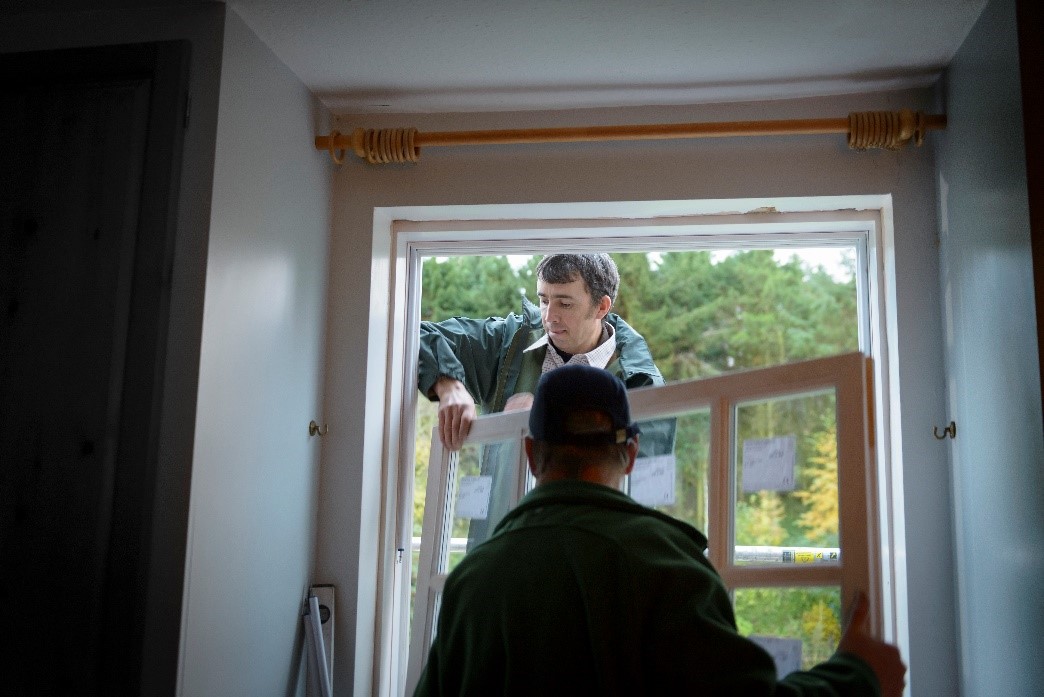
Almost every remodeling company uses subcontractors, and that alone is not a red flag. Specialty trades like cutting countertop stone and electrical work are commonly subcontracted, even by the best firms.
What does matter is whether the company has at least some in-house craftsmen.
Having in-house installers demonstrates the company’s commitment to craftsmanship, quality control, and project management. It means they’ve built internal expertise and standards, rather than simply coordinating whoever is available.
When subcontractors are used, quality matters. Legitimate contractors work with trusted, local vendors they’ve built long-term relationships with.
A good question to ask is: Who will actually be in my home, and how long have you worked with them?
Bottom line: Legitimate remodeling companies don’t just manage projects. They take responsibility for the people doing the work.
StraightTALK Remodeling Tip
Don’t be afraid to ask about licenses, insurance, and who’s doing the work. A trustworthy contractor has nothing to hide and everything to gain from transparency.
Should I hire a handyman or a licensed contractor for my project?
Whether to hire a handyman or a licensed contractor for your project comes up frequently, especially for smaller projects. Handymen are great for simple fixes (think drywall patches, leaky faucets, or replacing a ceiling fan). But if your job involves structural changes, permits, or any kind of complex design? You need a licensed contractor.
Legal Limitations
Many states restrict what handymen can legally do without a contractor’s license. Once you cross into electrical, plumbing, structural framing, or permit-required work, it’s no longer a handyman’s domain. If they do it anyway, you could face code violations or issues down the road.
Liability
If something goes wrong and the work isn’t permitted or up to code, you could be on the hook financially and legally. Licensed contractors carry insurance and bonding to protect you. Handymen often don’t.
Project Complexity
Remodeling isn’t just swinging hammers; it’s coordinating trades, materials, timelines, and problem-solving. Most handymen are not equipped to manage this kind of scope. What starts as a small update can spiral out of control if the right planning and sequencing aren’t in place. And you don’t want to be caught without a functioning bathroom for weeks on end, just to try to save a few dollars.
Trying to save money on the front can cost you big on the back end. We’ve seen hundreds of homeowners over our 40 years here in Eastern Iowa bring us in after a DIY or handyman-led project went sideways.
Take a hypothetical bathroom remodel that isn’t uncommon: A homeowner hires a handyman to save money. The tile is uneven, the plumbing isn’t vented correctly, and there’s no permit pulled for what turned out to be a major reconfiguration. Now the homeowner must pay for demolition, code corrections, and a complete rebuild, in addition to what they have already spent. Not only did they pay twice, but they also lived in construction chaos far longer than necessary.
When you “under hire” a remodeling project (choosing someone who’s not truly qualified for the scope of work), you’re gambling with your time, budget, and peace of mind. Doing it right the first time may cost more up front, but it’s almost always the most cost-effective (and least stressful) path in the long run.
Many reputable remodeling companies, including Hometown Restyling, offer financing options to help you figure out the best and easiest way to pay for your remodel, so you’re more likely to get exactly what you want and need the first time.
When You Can Have Both
There’s good news: in Eastern Iowa, you don’t always have to choose between a handyman and a licensed home remodeler.
At Hometown Restyling, we’re a licensed and insured home remodeling company that also offers dedicated handyman services. That means homeowners get the peace of mind that comes from working with professionals, even for the smaller jobs.
Whether you need a piece of drywall patched or a complete kitchen remodel, our team brings the same attention to detail, communication, and accountability to every project, regardless of size.
StraightTALK Remodeling Tip
Match the pro to the project. Small jobs still deserve skilled, insured labor, and big jobs always need licensed oversight. When in doubt, choose the partner who can do both.
Why does it matter if a contractor has a showroom or a local office?
Choosing a contractor with a local presence, such as an office or showroom, is about far more than convenience. It’s about accountability, understanding the area and its needs, and community commitment. When a company is rooted in your area, you benefit in ways that go well beyond the work itself.

Local Knowledge and Personalized Service
A contractor who lives and works in your community is going to bring something an out‑of‑town company simply can’t: firsthand knowledge of local homes, neighborhoods, weather conditions, and building norms. This matters more than you might think. For example, local teams understand how our Eastern Iowa climate (including winter snow and summer windstorms) affects materials and construction decisions.
That kind of insight helps them tailor recommendations that aren’t generic but right for your specific home and context. And because they work in your community every day, they’re invested in delivering high‑quality, thoughtful solutions that homeowners across the area value.
Face‑to‑Face Communication
One of the biggest advantages of a local showroom or office is the in‑person interaction it enables. You can sit down with designers, see real material samples, compare finishes, and ask questions that just don’t translate as well over email or phone.
In‑person meetings help eliminate miscommunication, clarify expectations, and make decisions easier, because you can see and feel the options rather than imagining them. And if questions or concerns arise during the project, picking up the phone or scheduling a quick visit is simple.
Faster Response Times and Accessibility
Local contractors are just that: local. That means they can get to your home quickly if something arises, whether it’s a question mid‑project or a follow‑up concern after work is done.
This accessibility also helps keep your project moving. Shorter travel times mean less downtime between phases, easier scheduling, and better oversight from the team you’ve chosen. That kind of responsiveness isn’t something you can quantify in dollars, but you can feel it in the peace of mind and confidence you have in your project.
Accountability in Your Community
Local businesses live and work among your friends, neighbors, and family members. Their reputation isn’t built on a national ad budget; it’s built on word‑of‑mouth, local reviews, and relationships in town.
That means a local remodeler has every incentive to do good work today, and for years down the road. They’re not anonymous; they’re part of the community. And that accountability shows up in how they treat your home, your timeline, and your satisfaction throughout the project.
Supporting the Local Economy
When you work with a local contractor, you’re also investing back into the community. Local businesses hire local tradespeople, source local materials when possible, and contribute to the economic health of the area where you live.
A thriving local service industry means better access to skilled craftsmen, more competitive pricing from nearby suppliers, and stronger long‑term support for homeowners in your region.
StraightTALK Remodeling Tip
Local contractors have a stake in your satisfaction because their reputation lives where you live. And a showroom is proof they’re not going anywhere.
What should I expect from a great remodeling consultation and planning process?
You can expect a comprehensive remodeling consultation and planning process that will instill confidence and clarity as a homeowner. A remodeling consultation isn’t a sales pitch. It’s the beginning of a partnership, and it should feel that way.
The consultation is often your first real glimpse into how a contractor operates. Are they respectful of your ideas and concerns? Are they curious about what matters to you? Do they seem focused on finding the right solution for your home, or just pushing you to sign quickly?
This is your home, your money, and your vision. A great remodeling consultation will help you feel empowered, heard, and excited. It should reduce stress, not add to it. If you walk away feeling like someone finally understands what you’re trying to accomplish and that they have the tools to help you get there, you’re on the right track.
Here’s what a quality consultation should look and feel like:
- It starts with listening. Your consultant should ask about your goals, pain points, and vision before launching into pricing.
- They walk your space. Expect them to take measurements, look at how your home is built, and assess the potential challenges.
- They explain the process. You should leave with a clear understanding of what happens next, whether that’s design work, product selection, or estimate development.
- They’re realistic. A trustworthy contractor won’t lowball to get the job. They’ll help you understand costs, timelines, and what’s feasible within your budget.
You should walk away feeling heard, informed, and supported, not pressured. You should feel like your ideas were taken seriously, your questions answered clearly, and your home respected.
Most importantly, you should feel more excited about your project than you did before the meeting! That’s a sign you’ve found a team that gets it and is ready to help you bring your vision to life. The consultation sets the tone for everything that follows. If it feels collaborative, honest, and thoughtful? You’re off to a great start.
StraightTALK Remodeling Tip
A great consultation should leave you energized. If you don’t feel confident and cared for after that first meeting, keep looking.

What happens after the remodeling project is done?
What happens after a remodeling project is done is often just as important as the build itself. Most homeowners think the job ends when the final board is nailed or the last coat of paint dries. But a quality remodeler doesn’t disappear when the dust settles. They stand behind their work and support you long after final payment.
Here’s how to tell if a company really means it when they say they’ll be there for you, starting with a commitment to stand behind the quality of their workmanship.
Warranties & Quality Control
A warranty is a promise. And not all warranties are created equal.
When a company stands behind its work with a strong warranty, it means:
- They trust their craftsmanship.
- They’ve built processes to minimize defects.
- They accept responsibility when something doesn’t meet expectations.
Some remodeling warranties are limited to materials (which are covered by the manufacturer), leaving the homeowner responsible for labor or installation errors.
A quality contractor offers:
- A clear, written warranty on workmanship.
- Transparent explanations of what’s covered and for how long.
- A system for handling warranty claims quickly and fairly.
Quality control also ties into the warranty. The best companies don’t wait for problems to show up; they have internal checks during and after construction to catch issues early.
At Hometown Restyling, we back our work with a Lifetime Workmanship Warranty, because we believe our relationship with you doesn’t end when the project does. If an issue arises due to the way something was installed, we’ll make it right. It’s our way of standing behind the quality of our craftsmanship and giving you peace of mind in your Eastern Iowa home for years to come.
When a contractor offers robust warranty coverage and proactive quality control, it signals confidence that should translate into peace of mind for you.
Post‑Project Service and Dedicated Support
Some companies treat your home like a one‑off transaction. They finish the work… and poof – they’re gone.
A contractor with a dedicated service department, on the other hand, is structured differently:
- They have systems for scheduling follow‑ups and addressing concerns.
- They understand that even excellent craftsmanship sometimes needs minor adjustments.
- They handle issues promptly and professionally.
This is about accountability. When a company has a service team in place, it signals that it builds long-term relationships with its homeowner partners.
Here’s what great post‑project service looks like in practice:
- Someone returns your call promptly when you notice something later.
- Minor adjustments are handled promptly.
- You feel supported rather than ignored.
Post‑project support can become even more important when subcontractors are involved. A good contractor manages communication and follows through, so you don’t have to chase anyone.
StraightTALK Remodeling Tip
Ask to see the warranty in writing before signing the contract, and make sure you know exactly who to contact if something goes wrong.
StraightTALK Wrap-Up
Choosing a remodeling contractor is about trust, accountability, and what happens after the contract is signed, way more than it is about price. A contractor will be in your home for days or potentially weeks. Choosing a partner that you’re comfortable with and confident in is critical to your remodeling project and living peacefully in your dream home afterward.
A contractor with:
- Legitimate credentials and systems,
- A thoughtful consultation and planning process,
- A physical presence in your community,
- And meaningful post‑project support
…is a true partner.
When you choose a partner, you choose a better experience. You choose peace of mind. You choose a home that was remodeled the right way.
To read more about how you should expect your initial remodeling consultation to go, read: What to Expect During My Home Remodeling Consultation.