

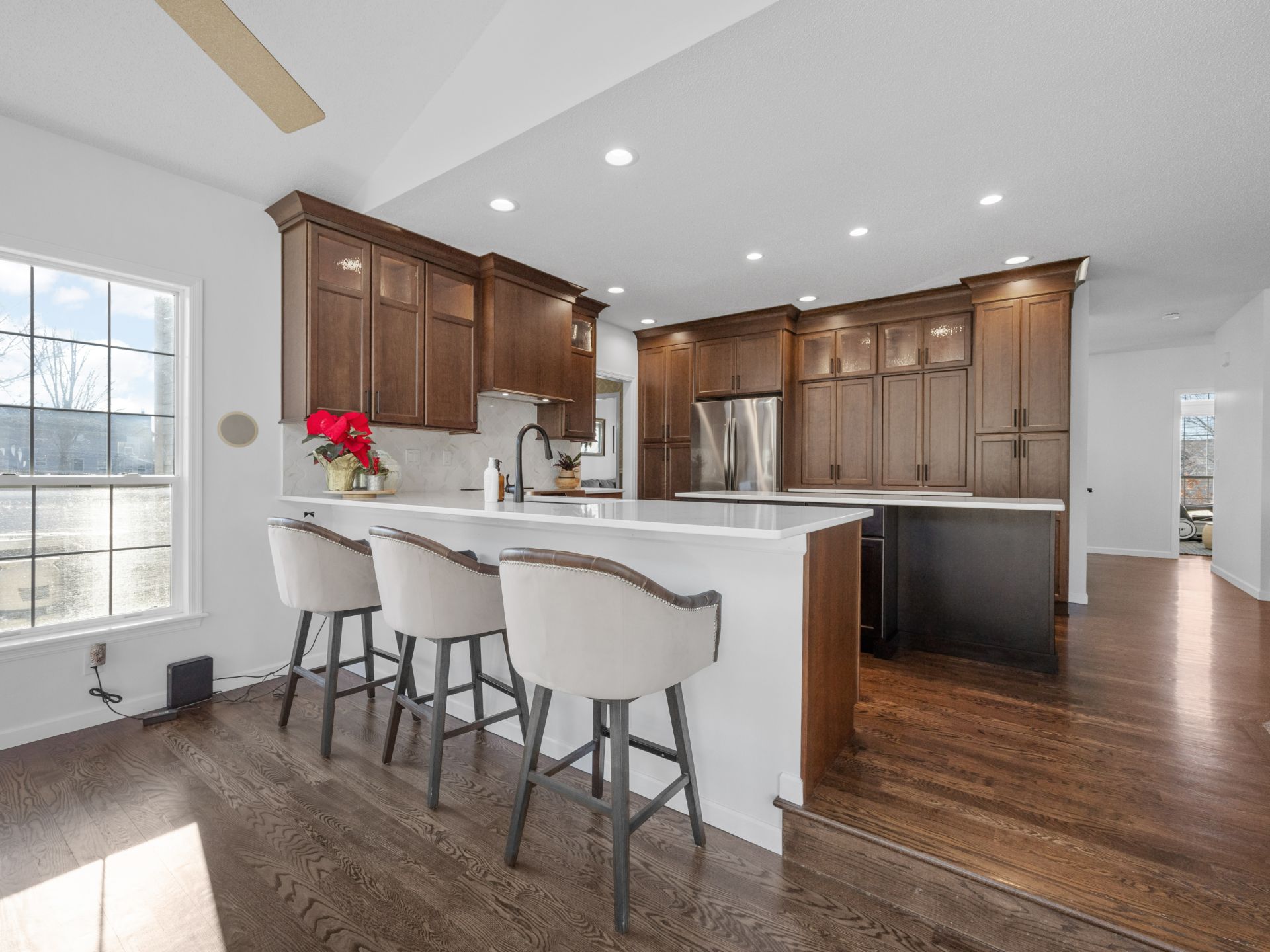
You want the dream kitchen (quartz, island, the works), but you’re not exactly excited about living in a construction zone. If you’re remodeling in eastern Iowa, here are five ways to keep your cool (and your kitchen goals on track).
Dust | Delays | Cook & Clean | Refrigerator | Kids & Pets
Preparing for a kitchen remodel is not a simple task. It involves demo work, scheduling subcontractors, ordering materials, and adjusting your daily routine. However, with the right contractor and practical prep, you can significantly reduce stress and keep your eyes on the finish line.
In this week’s StraightTALK, we’re answering five real questions homeowners often ask during a kitchen renovation. and giving you the unfiltered answers.
Here’s what to expect (and how to prepare) before your kitchen gets torn apart.
1. Will my house be covered in dust during a kitchen remodel?
Your house will likely be dealing with quite a bit of dust during a kitchen remodel. Remodeling a kitchen in eastern Iowa homes often involves demoing old cabinets, installing new countertops, and moving walls or utilities. All of this kicks up construction dust that will find its way into places you didn’t expect. But a great local contractor will help you prepare your area and clean up after themselves.
What should I do to prepare my home for a kitchen remodel?
To prepare your home for a kitchen remodel, you should start by setting realistic expectations. Dust, noise, and disruption are all part of the process, but with a bit of planning, you can minimize the impact on your daily life. Whether you’re working with a remodeling contractor or handling prep on your own, these simple steps will help you create a safer, cleaner, and more comfortable environment while the work is underway.
Protect Your Belongings
Remove items from adjacent rooms and cover furniture with drop cloths or plastic. Dust will travel into hallways and open-concept areas.
Seal Off the Work Area
Use plastic sheeting or zipper barriers to contain the dust to just the kitchen. A good kitchen remodeling team will set these up for you before work begins, but if you’re doing any prep yourself, this is a great way to compartmentalize the dust.
Invest in an Air Purifier
An air filter can help capture fine particles from the air during construction. These are especially helpful if anyone in your home has allergies or respiratory concerns.
Expect Daily Cleanup
A trustworthy remodeling crew will sweep and vacuum at the end of each day, but don’t expect a dust-free environment until the final walkthrough. It’s part of the process.
At Hometown Restyling, we take steps to protect your home and keep you informed every step of the way. We treat your home as if its our own, and we’re always happy to offer tips to make the kitchen remodeling experience smoother for you and your family. Remodeling should be exciting and as smooth as possible for you, the homeowner, and the end result even more worth it.
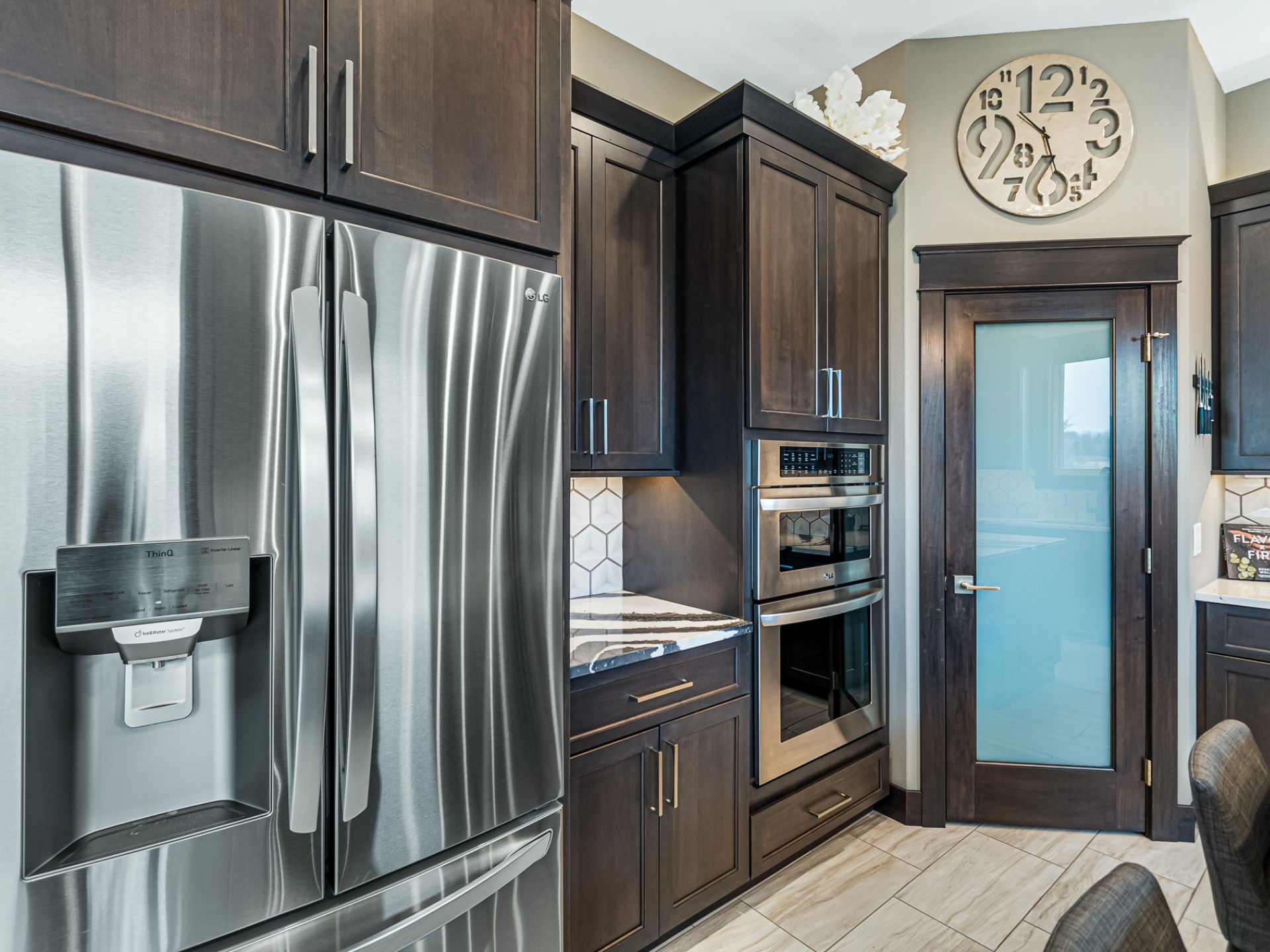
How to Prep Before Demo Starts
Before the first cabinet comes off the wall or the countertops are pried loose, there’s one crucial step every homeowner should take: packing and prepping your space. Proper preparation helps protect your belongings from dust, damage, or getting lost in the shuffle. Think ahead so your family can function while the kitchen is offline.
- Pack up your kitchen entirely, including pantry items, countertop appliances, dishes, and cookware.
- Label boxes so you can find what you need.
- Set aside a “kitchen survival kit” with essentials like paper towels, basic utensils, and your go-to spices.
- Store breakables and valuables in a safe area away from the construction zone.
- Take photos of the space before the demo begins so you have a record of where things were.
Taking the time to thoughtfully pack, label, and set aside what you’ll need during the kitchen remodel makes a huge difference in your day-to-day comfort. It also helps your remodeling team stay efficient and organized. At Hometown Restyling, we walk our clients through this prep phase because the better you prepare now, the smoother everything runs once the demo begins.
Open Concept Kitchen Design Tradeoffs
Many homeowners in eastern Iowa opt to open up their kitchen to improve room-to-room flow and accommodate guests. While this is great for hosting, it means there’s less containment during construction. Dust spreads more easily in open-concept spaces, and there’s often more noise transfer. It also typically involves structural work, like removing walls or relocating HVAC and plumbing, which will extend the kitchen remodel timeline.
StraightTALK Remodeling Tip:
Before demo day, walk through your space with your contractor and discuss dust control. Ask if they use dust barriers and whether cutting will be done on-site or off-site. The clearer your expectations are, the more manageable the mess will be.
2. What causes kitchen remodel delays in Iowa homes?
There are many reasons why a kitchen remodel may get delayed in eastern Iowa. Even with the best planning, delays can happen. But a good home remodeler will address these early and help you understand the impact. Here are some of the most common delays, and what they look like in real life:
Backordered Appliances or Materials
Manufacturers sometimes run behind on delivery, especially for specialty items or trending finishes. For example, if you select a high-end gas range or custom cabinet hardware, it might take 6–8 weeks to arrive. That delay affects installation and pushes back the rest of the schedule.
But if you make your choices with a talented designer ahead of time, then you don’t have to live with a half-finished kitchen for that entire time. A reputable contractor will not start the demolition and installation phase of the project until the material delivery dates are well known.
Unforeseen Plumbing or Electrical Issues
Once the walls are opened, we might discover out-of-code wiring, leaks, or outdated plumbing that needs to be replaced. In older homes, these are things that we can’t see until demo day. Fixes like this are essential for long-term safety, but they take time and can add to timelines.
A trusted local home remodeler like Hometown Restyling will address these unforeseen issues with you even if it adds to the project timeline. It is much safer and more reliable to address them now, rather than wait for the issue to get worse.
Permit or Inspection Holdups
Each eastern Iowa city has its own permitting process. Sometimes approvals are delayed, or inspectors require changes before giving the green light to continue. We stay on top of local codes, but the approval process isn’t always immediate.
This is another aspect of the project process that should occur before demolition, so your kitchen isn’t left half-completed while you’re waiting for permits. Talk to your kitchen remodeler about the permitting process and confirm that permits are in place before walls come down.
Change Orders Mid-Project
If you decide to add a pantry cabinet, move an outlet, or switch to a different tile after the project has started, that’s totally fine, but it will change the schedule. We build flexibility into our timeline, but last-minute changes often add a few days (or more). At Hometown Restyling, we want to make sure your project meets all of your goals, and managing changes during the process is part of that process. Just know that making late changes will impact the timeline.
Delays are never ideal, but they’re not always a bad thing. Often, they’re the result of making necessary adjustments to ensure the finished kitchen is safe, built to last, and exactly what you want your dream kitchen to be.
At Hometown Restyling, we plan ahead for the most common hiccups and communicate openly so you’re never left wondering what’s happening or why something’s taking longer. We don’t cut corners to save a day or two, because we know it’s better to do the job right the first time. And sometimes, that means building in intentional pauses to ensure the next step goes off without a hitch. One of the most important examples? The “break” between cabinets and countertops. Let’s talk about why that wait is critical.

Why is there a “break” between cabinet installation and countertops?
After cabinets are installed (including any plumbing and electrical modifications) there is typically a 10- to 14-day break before the countertops can be installed. This isn’t downtime or a scheduling mistake; it’s a critical step. Countertops must be measured with precision, and that can’t happen until everything below them is fully in place. During this time, it may feel like nothing is happening, but this “pause” ensures your countertops are cut once and fit perfectly.
3. How do I cook or clean without a kitchen sink during renovation?
No sink? No oven? No problem. Okay, it’s a little bit of a problem, but it’s manageable. Most kitchen remodels in eastern Iowa leave homeowners without a fully functional kitchen for 3–4 weeks. That means no running water, no dishwasher, and no range.
Here’s how to survive this temporary inconvenience:
Use Your Bathtub as a Temporary Sink
We’re not kidding. If your bathroom tub is nearby, it’s your best bet for washing dishes and rinsing produce. Keep a dish tub nearby to help separate clean and dirty items.
Set Up a Mini Kitchen Station
Create a food prep area in your dining room, basement, or any other area with an outlet. Use a folding table or countertop cart with essentials like a microwave, coffee maker, toaster oven, or slow cooker. Think easy meals: sandwiches, salads, frozen options, and reheat-friendly dinners.
Grill Outside If Weather Allows
If you have a grill or Blackstone griddle, use it! You’d be surprised how many meals you can make outside, especially during warmer months.
Stock Up on Disposable Plates and Utensils
With no dishwasher, washing dishes in the bathtub gets old fast. Use compostable or recyclable plates, bowls, and utensils to save time.
Consider a Mini Fridge or Move Your Main One
If your kitchen fridge will be unplugged, relocate it temporarily to the garage or basement. A mini fridge can hold snacks and drinks to keep your family going during the remodel.
Living without a kitchen doesn’t have to be miserable – think of it like an in-home camping trip. Your microwave might sit on a folding table for a few weeks, but the end result is a fully remodeled, highly functional kitchen that’s worth every paper plate and grill night.
StraightTALK Remodeling Tip:
Before the demo starts, make a checklist of everything you need daily. Think coffee, snacks, utensils, lunch boxes, etc. And build a “survival station” somewhere accessible.
4. Where should my refrigerator and appliances go during a kitchen remodel?
During a renovation, major appliances like refrigerators will be unplugged and relocated. In some eastern Iowa homes, we temporarily place refrigerators in the garage, the basement, or even in a dining or living room. It all depends on available space and access to outlets.
- Your refrigerator will lose water/ice functionality: Once disconnected from the water line, you won’t have access to ice or filtered water. If you rely on those features daily, consider buying a bag of ice to store in a cooler or your garage freezer.
- Microwaves and ovens may be moved or stored: Depending on your space, these might get moved into a temporary setup or stored away completely. Make sure you know what’s staying accessible and what’s not.
- Dishwashers are unhooked early: Since these connect to plumbing and drain lines, they’re usually out of commission early. Plan accordingly.

Tips for Managing Food During a Kitchen Remodel:
Keep Essentials in a Mini Fridge
If you’re downsizing temporarily, prioritize space for milk, drinks, lunch items, and leftovers. A mini fridge in the living room or garage makes life easier.
Limit Grocery Runs
With limited cold storage, avoid big shopping trips. Plan meals for a few days at a time to avoid food waste.
Label Circuit Breakers
If you’re plugging your fridge into a different outlet, make sure your breakers are labeled. Fridges draw more power than most appliances, so avoid overloading circuits.
By thinking through your temporary setup and communicating with your contractor early, you can avoid power issues, food waste, and daily frustration.
StraightTALK Remodeling Tip:
Talk with your kitchen remodeler ahead of time about where your fridge, microwave, and coffee maker will live during the project. We help homeowners make it work every day.
5. Is my home safe for kids and pets during a kitchen renovation?
Your home will remain a safe space for kids and pets during a kitchen remodel, provided you make some accommodations. Renovating a kitchen creates hazards: sharp edges, exposed wiring for short periods, tools, and heavy equipment. And unlike a siding replacement or bedroom window installation, the kitchen is usually a high-traffic area. That makes it more difficult to avoid during the day, which is a challenge when you’ve got little ones or pets at home.
Even well-behaved kids can get curious. Dogs and cats love to explore new spaces. Construction zones are no place for either. At Hometown Restyling, we take precautions to keep your family safe, but it works best when we plan together.
What We Recommend:
Set Up Physical Barriers
Baby gates or temporary walls help block access to work zones. If you have an open-concept layout, we can suggest the best places to contain the mess and the movement.
Establish “Safe Zones” for Pets
Create a room where pets can stay during the workday, or consider boarding them on high-traffic construction days. It’s safer (and less stressful) for everyone.
Have Conversations With Kids
Let them know what’s off-limits and explain why. It can also help to schedule visits to a park or a friend’s house during heavy demo or install days.
Watch for Tools, Cords, and Debris
We keep our tools organized and the space picked up, but kids and pets can get into anything in a flash. Check floors and pathways daily for hazards like screws, nails, or cords.
Keeping your family safe during a kitchen remodel is a shared responsibility. One we take seriously. While temporary hazards are part of any construction project, careful planning and daily awareness go a long way toward minimizing risk.
At Hometown Restyling, we work with you to identify potential safety concerns before work begins and maintain a clean, organized job site throughout the project. We understand that your home is still your home, even during a renovation. And we treat it (and everyone in it) with respect. Our commitment is to create a space that’s not only beautiful but also safe from start to finish.
StraightTALK Remodeling Tip:
Talk to your contractor about how many people will be in and out each day. Ask how they store tools, whether your home will be accessible, and how they handle safety cleanups.
StraightTALK Wrap Up
Embrace the chaos—temporarily.
A kitchen remodel in eastern Iowa isn’t all fun and backsplash shopping. It comes with some mess, inconvenience, and a little creativity to get through the transition. But it’s absolutely worth it. A reputable contractor will walk you through every step: from layout planning to appliance relocation to keeping your kids and pets safe.
At Hometown Restyling, we help you prepare for every challenge of a kitchen renovation. We work with trusted partners, coordinate trades, protect your home, and communicate clearly, so you’re never left guessing about what comes next. We also take the time to answer your questions before, during, and after the project.
If you’re thinking about remodeling your kitchen in Cedar Rapids, Iowa City, or anywhere in eastern Iowa, now’s the time to start planning.
Got remodeling questions? Send them our way! We’re here to give you real answers with real experience.
Need help choosing the right kitchen cabinets? Read our guide to picking cabinets for your kitchen remodel.