

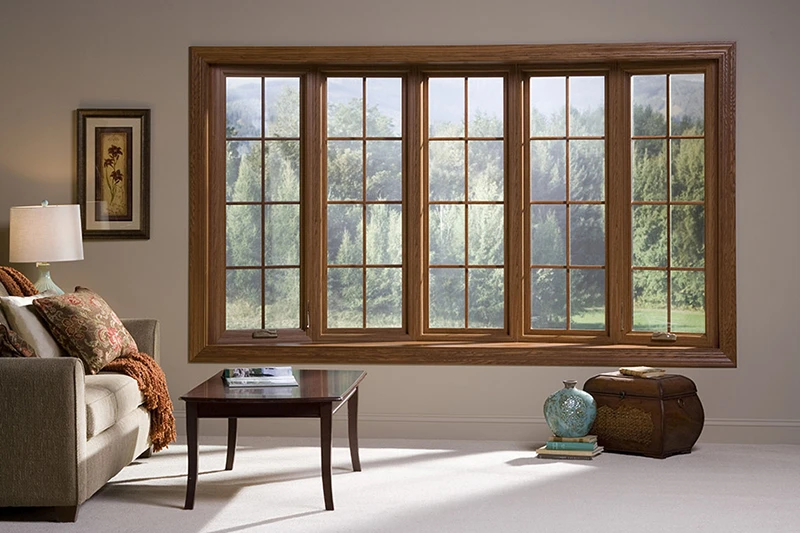
When it’s time to replace your windows, you’re not just picking out a new look. You’re making decisions that affect your home’s comfort, efficiency, and long-term durability.
Replacement | Full-Frame | My Home | Trim | How to Choose
But here’s the truth: window installation can be confusing. Terms like “nail fin,” “replacement,” “full-frame,” and “pocket install” get thrown around as if you’re supposed to already know what they mean.
Let us be clear: you are not expected to know what type of installation is best for your home.
Your job as the homeowner is to connect with an expert who can evaluate your home and guide you to the best solution. This guide will walk you through the key questions and choices, but nothing replaces an in-person consultation tailored to your home.
What is a replacement window installation?
Replacement window installations, also known as pocket installs, are designed to fit inside your existing window frame. Instead of tearing everything out, we remove only the moving parts of the old window; typically, the sash, along with the tracks and stops that hold it in place.
StraightTALK Definitions:
- Sash is the movable part of the window that holds the glass and allows it to open and close.
- Tracks are the channels that guide the sash’s movement up, down, or side to side.
- Stops are the pieces that prevent the sash from falling out of the frame.
Replacement window installation method leaves your trim and frame intact, often making the process quicker and less disruptive.
When is a replacement window installation typically used?
Replacement window installation is typically used when your existing window frames are solid, structurally sound, and compatible with the new window. If there are no signs of water damage or wood rot, and the frame is level and plumb, a replacement window installation (or pocket install) can be an ideal solution.
It’s also a smart choice if preserving your interior trim is a priority. Because replacement windows fit within the existing frame, there’s no need to disturb or remove the surrounding trim, which means you can keep the character and finish of your original interior.
Finally, this method is often chosen by homeowners looking for a faster, lower-cost installation. It requires less labor and fewer materials than a full-frame window installation, making it a more cost-effective option without sacrificing performance, provided the new window fits the opening.
StraightTALK Remodeling Tip
If you’re replacing older wood or aluminum windows and your frames are in great shape, a pocket installation can save you time and money while delivering better energy efficiency than your old windows.
Performance Misconceptions
Some people assume that a full-frame installation always performs better. That’s not necessarily true. A properly installed replacement window can be just as energy-efficient and airtight as a full-frame setup, especially in well-built homes with sound framing.
What is a full-frame window installation?
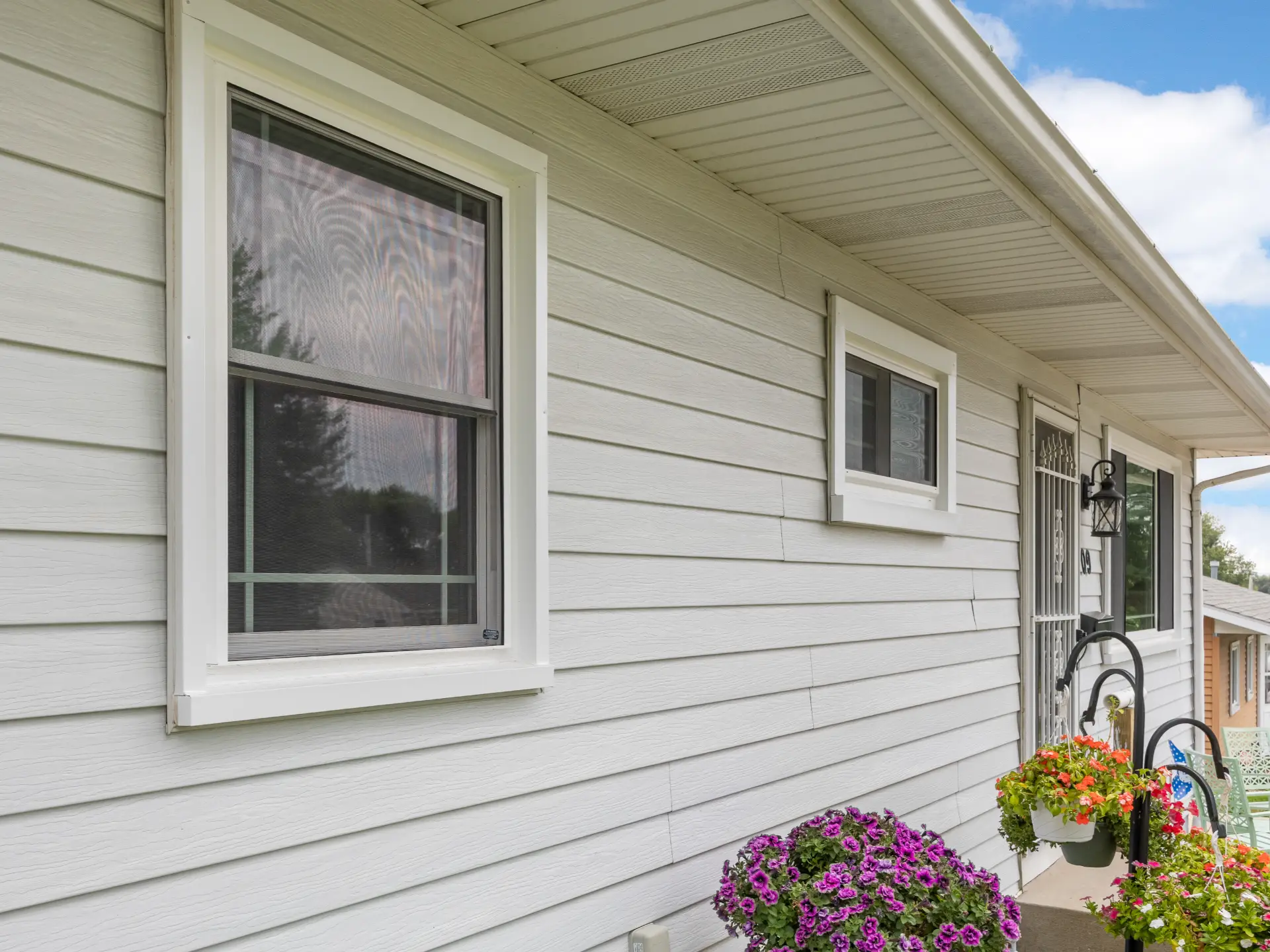
A full-frame window installation removes everything: the sash, frame, and, often, the interior and exterior trim. This process involves taking the window opening all the way back to the structural framing of the house, known as the rough opening. Once exposed, the opening is inspected for damage, properly insulated, and prepared for the new window installation. After setting the new window in place, the team will flash and seal the window unit to prevent air and water infiltration, then reinstall or replace trim and finishing materials as needed.
StraightTALK Definitions:
- The frame is the structural component that holds the sash and glass in place and is anchored to your wall.
- Trim is the finishing material that surrounds the window on both the inside and outside, providing a clean and polished appearance.
- Flash refers to installing waterproofing materials (such as flashing tape or metal) around the window to direct water away from the opening and prevent leaks.
- Seal involves using caulk, foam, or other sealing products to close gaps around the window and block air and moisture infiltration.
This method lets us address structural issues, rot, or missing insulation, and gives you the option to change the size or style of your windows.
When a Full-Frame Window Installation is the Right Choice
A full-frame window installation is the right choice when there are signs of water damage or wood rot around your existing windows. If moisture has been getting in over time, simply installing a replacement window inside a damaged frame won’t solve the underlying problem. A full-frame install allows everything to be removed so those issues can be properly addressed rather than covered up.
It’s also the correct approach if you want to change the size or shape of your windows. Whether you’re enlarging an opening to bring in more light or altering the style entirely, a full-frame installation gives you access to the rough opening and structural components needed to make those changes safely and correctly.
Finally, if you suspect poor insulation or notice drafts around your windows, a full-frame installation may be the better solution. Because the window is removed down to the wall framing, this method allows us to see what’s happening behind the scenes and improve insulation where older homes may have little or none.
Added Benefit of Full-Frame Installations: Insulation Upgrades
Full-frame installations provide access to the wall cavity, allowing us to add insulation in areas that may never have had any. This can dramatically improve your home’s energy performance.
StraightTALK Remodeling Tip
If you’re already dealing with siding issues or planning to re-side your home, it’s a great time to consider full-frame window installation.
What is a nail fin installation?
A nail fin window installation is a specific type of full-frame installation commonly used in newer construction. These windows come with a flange, also known as a nail fin, which is a thin metal or vinyl strip that extends from the window frame and allows the window to be nailed directly to the home’s studs.
StraightTALK Definitions:
- A nail fin (or flange) is the piece of the window that fastens to the structure of your home. It gets covered by siding or exterior trim after installation.
- Some windows feature an integrated J, meaning the channel that holds your siding is built into the window. It’s functionally similar to a nail-fin installation.
Nail fin installation typically requires removing or cutting back siding, which is common with vinyl siding.
StraightTALK Remodeling Tip
If your home has vinyl siding and you’re doing a full-frame replacement, a nail fin install ensures a clean, weatherproof fit that ties directly into your home’s exterior shell.
What happens to my home during a window installation?
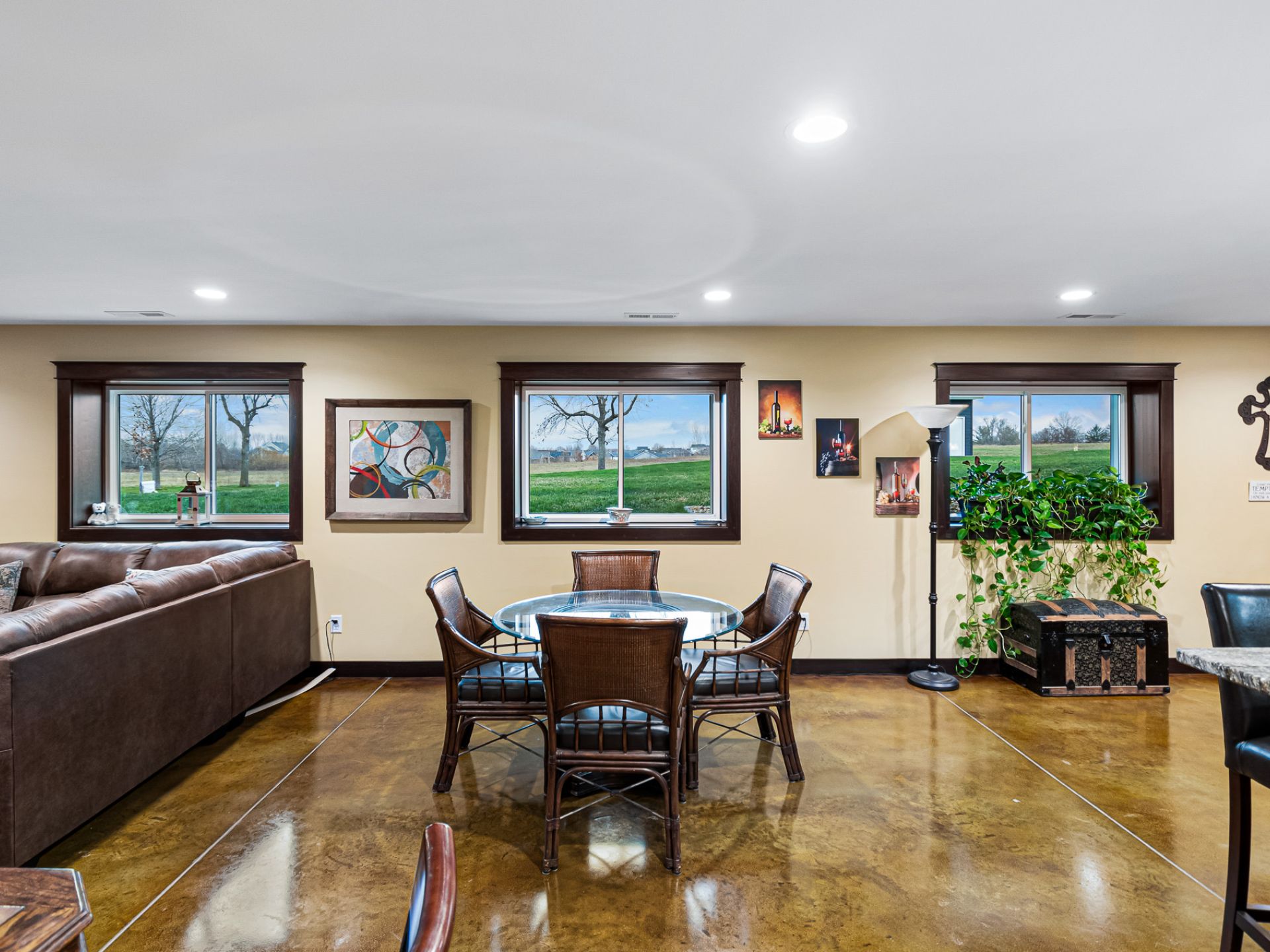
Window installation isn’t just about what goes into the wall; it also impacts what happens around it. Whether you’re installing a full-frame or a replacement, it’s important to understand how the process will affect both the inside and outside of your home. The level of disruption and the amount of work required depend largely on the installation method and the current condition of your home.
Interior Impact of Window Installation
During a replacement install, the impact on your home’s interior is minimal. Since the window is being inserted into the existing frame, there’s usually no need to remove trim or touch the drywall. It’s a clean, efficient process that leaves most of your interior finishes untouched.
With a full-frame installation, the process is more involved. We may need to remove interior trim, and depending on the window configuration, drywall modifications could be necessary. That might involve patching, painting, and, in some cases, minor carpentry to accommodate the new window.
Exterior Considerations During Window Installation
Nail fin and full-frame installs frequently require us to remove or cut back exterior siding to access the rough opening. This is especially true if we’re using a window with a nail fin or integrated J. Once the old window is out, we apply proper flashing, insulation, and sealants to ensure the new window is weather-tight and energy-efficient.
For homes with vinyl siding, this process is typically straightforward and clean. However, if your home has aluminum or steel siding, things can be trickier. These materials are harder to remove and more prone to bending or damage during the process. In some cases, the siding pieces can’t be salvaged and need to be replaced.
It’s important to know that if siding replacement is necessary, you may face challenges in finding an exact color match. Over time, siding fades due to sun exposure, so even ordering the same product might result in a visible difference if you’re only replacing a small section. That’s why we sometimes recommend replacing siding on the full side of the house for the most uniform look.
Our goal is always to leave your home sealed, protected, and cleanly finished, but knowing what to expect can help you prepare for the day of install.
StraightTALK Remodeling Tip
Ask your contractor in advance how much interior or exterior work will be required. Knowing what to expect helps avoid surprises.
What if I want a different-sized window opening?
Changing the size or shape of your window is absolutely possible, but it’s more involved than a standard window replacement. Altering the dimensions of a window opening will require structural changes to your home, which can add time and cost to your project. That said, it also opens up exciting possibilities for enhancing light, views, and the overall appearance of your home.
Creating Larger Window Openings
If you’re expanding the size of your window, especially in width, we may need to modify the structural header above the opening. The header supports the weight of the wall above, so any adjustments must be carefully engineered and executed. This typically involves drywall work, trim replacement, and, in some municipalities, permit approval. It’s a more complex process, but the result can be a dramatic upgrade in natural light and curb appeal.
Creating Smaller Window Openings
Shrinking a window opening is usually more straightforward than enlarging one. We simply frame in the smaller size and fill the remaining space, but there are still aesthetic considerations. You’ll need to address the surrounding trim and siding to ensure everything blends seamlessly. In some cases, mismatched siding or patchwork finishes may be noticeable unless you plan to re-side the entire wall.
StraightTALK Definition:
- The header is the beam above the window that supports the wall above. Enlarging a window often means installing a new, larger header.
StraightTALK Remodeling Tip
If you’re dreaming of a picture window or want to add more light to a room, budget for extra work and plan for some drywall and siding repairs.
Can I keep my existing window trim?
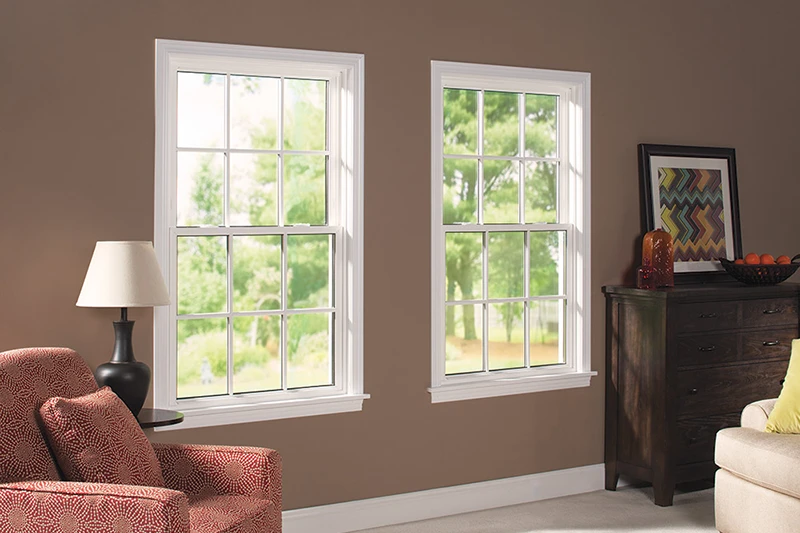
When you’re considering window replacement, one of the most common homeowner concerns is whether or not you can keep your existing trim. That trim may be original to the home, match the rest of your interior design, or simply be something you don’t want to replace if you don’t have to. The good news is, depending on the installation method and the condition of your current setup, keeping your trim is often an option.
When You Can Keep Your Window Trim
In almost all replacement window installations, you can keep your existing trim. Because a replacement or pocket window is designed to slide into your current frame, there’s usually no need to touch the surrounding woodwork. If your trim is in good shape and your window opening is square, the installation can be completed without disrupting your interior finishes.
This method is especially valuable for homes with custom or historic trim details. It preserves the space’s original character while enhancing your window’s performance and appearance. Not only does this save time and money, but it also helps retain your home’s aesthetic consistency.
When You Can’t Keep Your Window Trim
There are times, however, when keeping your trim simply isn’t possible. Full-frame installations almost always require removing the existing interior trim because the entire window unit (including the frame) is being replaced down to the rough opening. This removal is necessary to ensure a secure, well-insulated fit.
Additionally, during installation, we may uncover hidden issues like rot, water damage, or previous poor workmanship. Even if the trim can be salvaged, these issues may require a course correction once the window is out. Every home is different, and sometimes we don’t know what we’re dealing with until we get into the wall.
Window Trim Matching and Replication
Worried about mismatched trim if it has to be removed? Don’t be.
At Hometown Restyling, we often replicate the original trim using materials and profiles that closely match your existing trim. In some cases, we can even reuse parts of your old trim if they’re still in good condition.
Whether you’re preserving a classic look or want everything to feel consistent throughout your home, we work carefully to ensure new trim blends seamlessly with existing trim. We take pride in the details so that you won’t be left with patchy, obvious transitions.
StraightTALK Remodeling Tip
Keep a few pieces of your original trim if you’re doing any window replacements; they can be used as templates for custom replication.

How do I know what type of installation is best for my home?
You can research all day, but at the end of the day, your home is unique. What works on one house won’t necessarily work on yours.
That’s why the best thing you can do is schedule a consultation with an experienced, trusted contractor. We’ll inspect your current windows, identify potential hidden issues when possible, and recommend the installation method that delivers the best long-term performance and the look and feel you want for your home.
Common Window Installation Scenarios
Replacement: If your existing window frames are in good condition, a replacement window installation is often the most straightforward solution. This approach preserves your existing trim and finishes while providing a clean, efficient upgrade to your windows. It’s perfect for homeowners who are satisfied with their current window layout but want better energy performance or a fresh new look.
Full-Frame: If your window frames are damaged, if there’s evidence of air leaks or poor insulation, or if you want to resize or reconfigure your windows, a full-frame installation is the better choice. This method allows us to address any hidden issues and start fresh with a completely new framing setup. It offers greater design flexibility and long-term performance improvements, especially in older homes or during major renovations.
StraightTALK Remodeling Tip
When comparing estimates, make sure you’re comparing the same type of installation. One contractor might quote replacement, the other full-frame, and the pricing, timeline, and impact will vary significantly.
This is why it’s so important to compare trust, credibility, experience, and product quality, not just price. You should feel comfortable and confident in your contractor, the materials they use, and the recommended installation method. It’s your home, after all. And like we say at Hometown Restyling: “the cheapest remodel is the one you do once.”
StraightTALK Wrap Up
Window replacement is one of the best investments you can make in your home, but only if it’s done right. The key is understanding that your home drives the decision. Not every project calls for full-frame, and not every frame can support a simple replacement.
This article aims to give you a clear, honest explanation of the choices, but the next step is yours: talk to an expert who can see your home in person. We’ll help you figure out what works, what doesn’t, and how to make the most of your window replacement project in Eastern Iowa.
When you’re ready, we’re here with answers, experience, and the kind of straight talk that cuts through the noise. Or if you’re interested in reading more about choosing windows for your home, check out: What Really Matters When Choosing Quality Windows and Doors.