

If you’ve lived in Eastern Iowa long enough, you know the routine. The sky turns that shade of green, the wind picks up, and you find yourself standing on the front porch watching the storm roll in. Maybe with a cup of coffee, maybe with your phone open to the KCRG radar, definitely not going inside until the last possible second.
But once the storm passes and you step back outside, that’s when the real work starts.
Most homeowners look up at the roof first. The roof takes the brunt of the punishment during heavy winds, hail, and driving rain. But storm damage doesn’t stop at the roofline.
Wind, hail, and flying debris can affect your siding, windows, screens, doors, trim, and other areas of your home’s exterior that are easy to overlook in the moment. And because that damage isn’t always obvious right away, many homeowners don’t catch it until weeks or months later, when moisture, drafts, or deterioration have already set in.
If you were here for the August 2020 derecho, you know exactly how quickly a storm can change everything. That storm brought 140 mph winds to Cedar Rapids and damaged more than 90% of homes in Linn County. Not just roofs, but siding, windows, doors, and just about everything else on the exterior of a home. It was a powerful reminder that storms affect every part of your home’s envelope, not just the shingles.
In this week’s StraightTALK, we’re answering five questions homeowners commonly ask after severe weather, covering the full walk-around checklist so you know exactly what to look for.
Before You Start: Clear the Debris
Before inspecting your home’s exterior, walk the full perimeter and clear any debris, furniture, or objects that may have been thrown against the house during the storm. Patio furniture, trash cans, branches, and other items blown against your home can cause dents, cracks, or punctures in siding and trim. Moving them away first makes it easier to spot damage and prevents anything from causing additional harm if another storm rolls through.
1. How do I check my siding for storm damage?
After a storm, walk the full perimeter of your home and look for cracks, dents, holes, loose panels, or sections of siding that have shifted or separated. Even minor-looking damage can allow moisture to penetrate behind the siding, leading to mold, insulation damage, and structural rot over time.
Why Siding Damage Is Easy to Miss
Most homeowners aren’t closely inspecting their siding regularly, so unless a panel is clearly missing or hanging off, it’s easy to walk right past storm damage without realizing it’s there.
The type of damage depends on the type of storm. Hail tends to leave small dents, cracks, or puncture marks, especially in vinyl and aluminum siding. High winds can loosen panels, pull them away from the house, or shift them just enough to break the overlap that keeps water out. Flying debris from branches, lawn furniture, or other objects can create impact marks, chips, or holes.
After the 2020 derecho, KCRG reported on local businesses and homeowners dealing with siding damage that allowed water to seep in during subsequent rainstorms, sometimes weeks after the original event. That kind of secondary damage is exactly what a quick post-storm inspection can help you avoid.
What to Look for During Your Walk-Around
When you’re inspecting your siding after a storm, here’s what to focus on:
- Cracks and holes
- Dents and impact marks
- Loose or shifted panels
- Gaps at seams and joints
- Discoloration or staining

StraightTALK Tip
If you notice cracked, loose, or missing siding after a storm, don’t wait to address it. Moisture that gets behind damaged siding can cause issues that aren’t visible until they’ve become significantly more expensive to fix. Take photos of any damage you find and consider having a professional inspection to catch what you might miss from the ground.
2. What should I look for around my windows, screens, and trim after a storm?
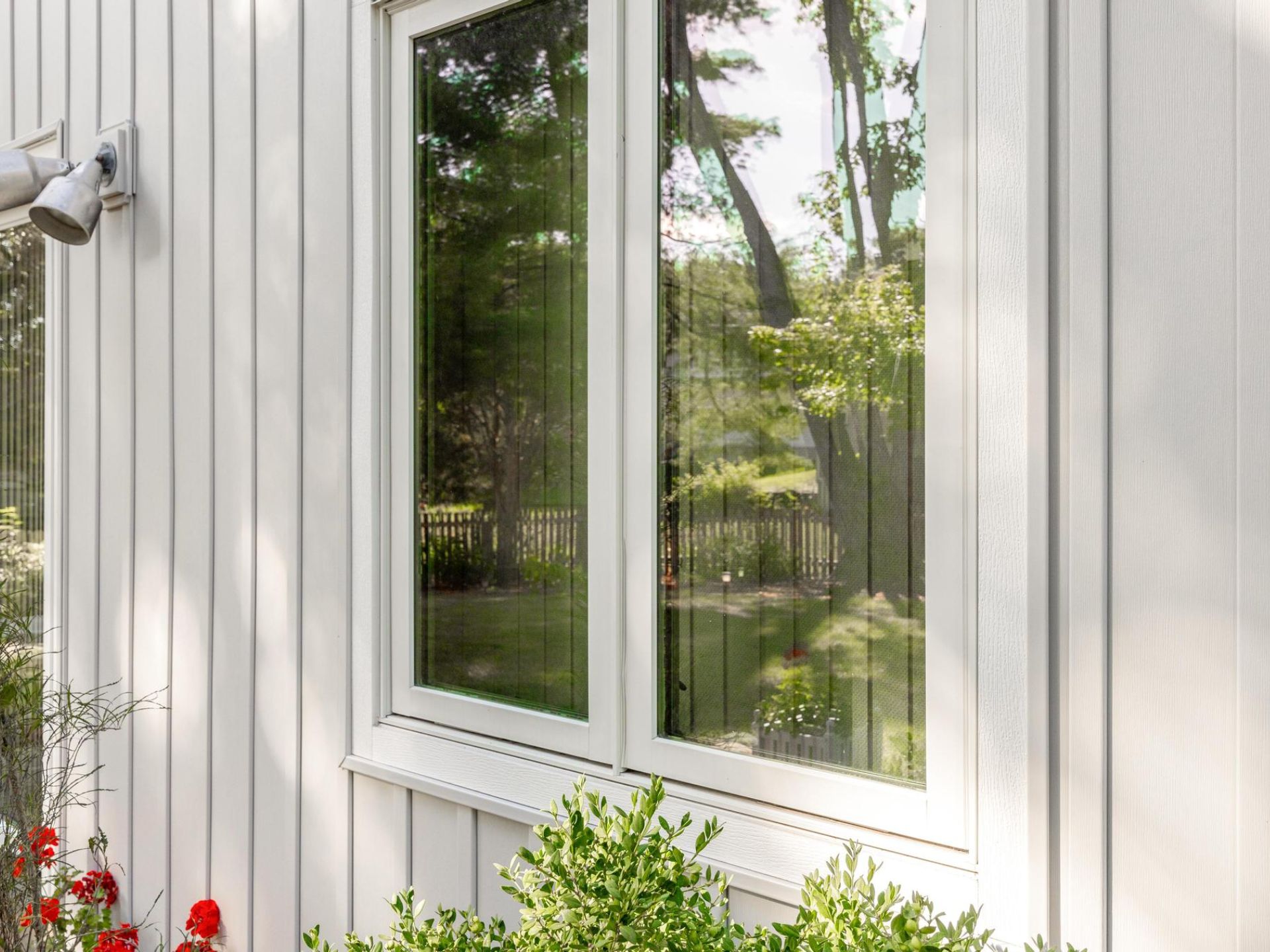
Check your windows for cracked or chipped glass, broken seals, fogged panes, and new drafts. Inspect all window screens for tears or perforations, and look at exterior trim for loose or cracked pieces. These components work together to keep moisture and air out, and damage to any of them can lead to bigger problems if left unaddressed.
Windows: More Than Just the Glass
During a hailstorm, impacts on window frames, cladding, and glass can break the seal in double- or triple-pane windows, even if the glass remains intact. Hail can loosen or crack seals without shattering the glass, leading to fogging, drafts, and water damage that may not show up for weeks.
High winds can also shift frames slightly, creating gaps that allow air infiltration. Over time, those small gaps lead to noticeable drafts that affect your home’s energy efficiency, especially during Eastern Iowa’s more extreme temperature swings.
Here’s what to check on each window:
- Cracked or chipped glass
- Fogged or cloudy glass
- Drafts
- Difficulty opening or closing
Screens: Your Early Warning System
Don’t overlook your window screens. Torn or perforated screens are one of the easiest signs of storm damage to spot, and they’re also a clue that the window behind them may have taken a hit. If a screen is damaged, take a closer look at the glass, seal, and frame behind it.
Trim, Fascia, and Rake: The Easy-to-Miss Details
The trim boards around your home, particularly the fascia (the horizontal boards along your roofline) and the rake (the angled trim along your gable ends), are frequently damaged during storms.
High winds can pull fascia and rake boards loose, crack them, or peel them away entirely. Once these trim pieces are compromised, water has a direct path behind your siding, into your soffit, and into your attic.
Walk the perimeter and look up along your roofline and gable edges for:
- Boards that appear loose, shifted, or hanging away from the house
- Visible cracks or splits in the trim material
- Gaps between trim and siding or soffit panels
If you notice loose trim you can’t safely inspect from the ground, it’s worth having a professional take a look before water finds its way in.
StraightTALK Tip
If your window screens show tears or perforations after a hailstorm, treat that as a clue to look more carefully at the glass, seals, and frames behind them. And while you’re at it, look up. Damaged fascia and rake boards are some of the most commonly missed storm damage, and they’re often the first place water starts getting in.
3. What should I look for around my doors after a storm?
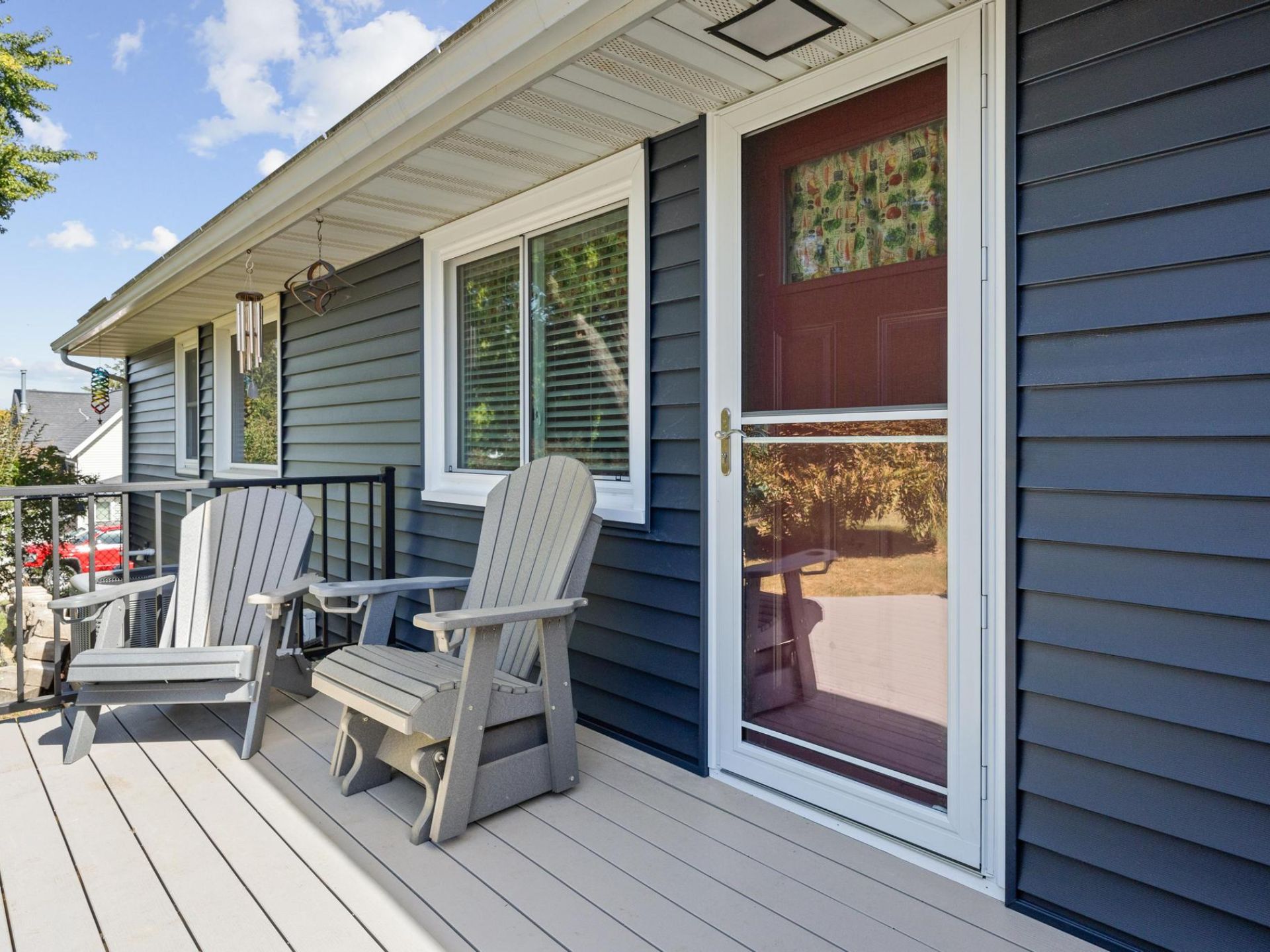
After a storm, check all exterior doors (entry, patio, and garage) for alignment issues, damaged seals, water intrusion around the frames, and any visible dents or warping. Doors that suddenly stick, don’t latch properly, or let in new drafts may have sustained storm damage that needs attention.
Doors Take a Bigger Hit Than You’d Think
Entry doors and patio doors are exposed to the same wind, hail, and debris as the rest of your home’s exterior. Because doors have many components (the panel itself, frame, hinges, weatherstripping, threshold, and hardware), there are multiple points where storm damage can cause problems.
What to Inspect on Your Doors
Here’s a simple checklist for evaluating your doors after severe weather:
- Open and close each door: If a door sticks, drags, or won’t close flush, the frame may have shifted.
- Check the weatherstripping: Look for cracks, compression, gaps, or sections that have pulled away from the frame.
- Look at the threshold: Water pooling near the base of a door or moisture on interior flooring near the threshold can indicate the seal has been compromised.
- Inspect the door surface: Dents, cracks, and warping are signs of hail or debris impact.
- Check the frame and trim: Look for gaps between the door frame and wall, as well as cracked or peeling sealant.
- Test the locks and hardware: A door that no longer locks properly or feels loose may have frame or hinge damage.
Patio Doors Deserve Extra Attention
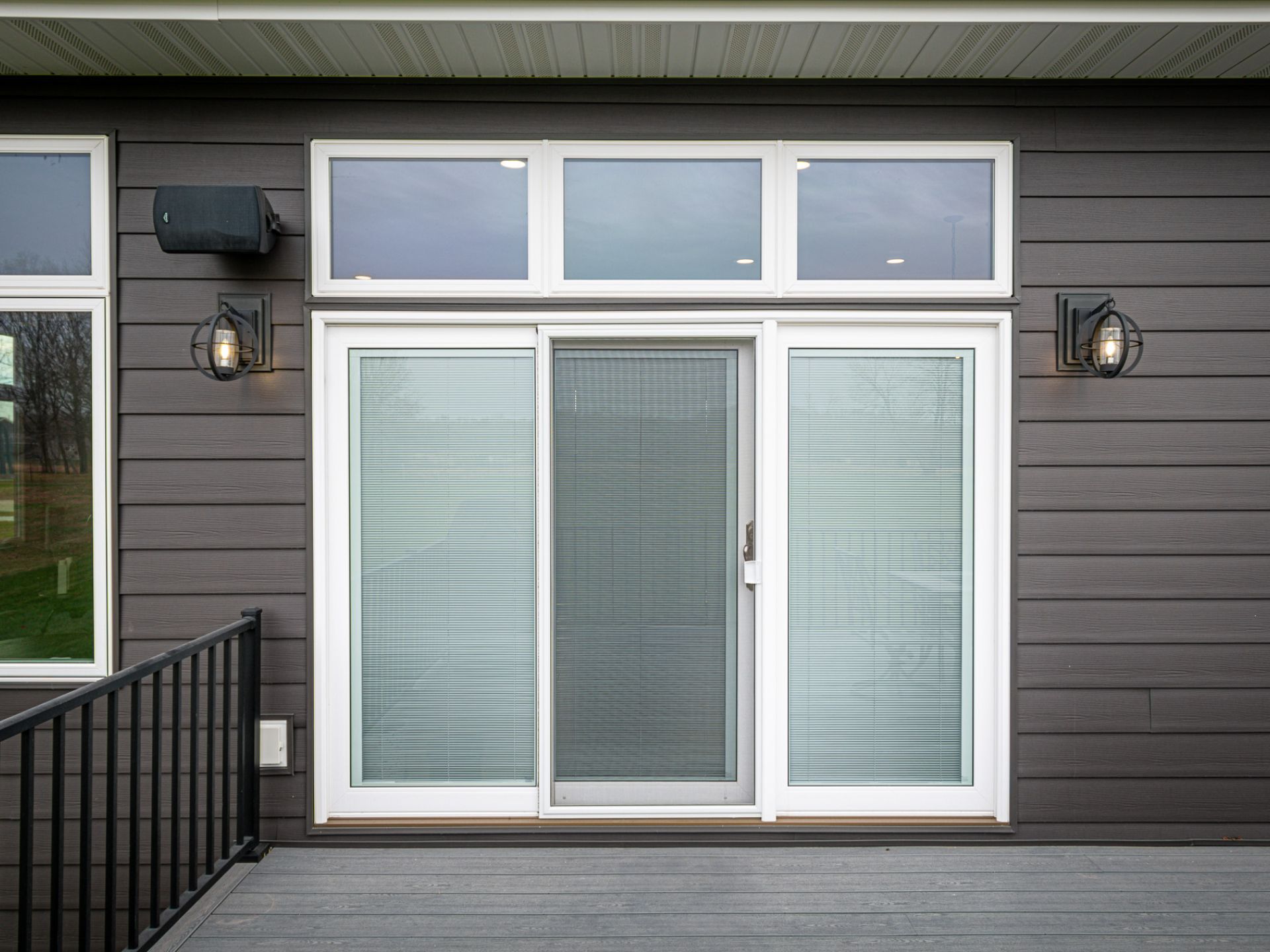
Sliding patio doors and French doors have large glass areas that are vulnerable to the same seal and frame issues as windows, plus the door’s operational components. After a storm, make sure the door still slides or swings smoothly and that the seal around the glass panels is intact. A sliding door that suddenly feels harder to open may have track damage or frame misalignment from wind pressure.
StraightTALK Tip
If you notice new drafts or daylight around the edges of an exterior door after a storm, don’t just live with it. Even small gaps can lead to significant energy loss and moisture intrusion, and in many cases, replacing the door is more practical than ongoing patchwork fixes.
4. What should I check on my roof after a storm?
After a storm, look for missing or displaced shingles on the ground or visible from your yard, check your gutters and downspouts for dents or blockages, and inspect your ceilings and attic from inside for water stains, damp spots, or daylight coming through. You don’t need to climb on the roof yourself (in fact, it’s safer not to), but there’s a lot you can assess from the ground and from inside your home.
What You Can Check from the Ground
You’d be surprised how much you can see without a ladder. Walk around the exterior of your home with your phone, looking up at the roofline:
- Shingles on the ground
- Visible damage from the yard
- Damaged flashing
- Gutter damage
What You Can Check from Inside
Some of the most telling signs of roof damage are found inside your home:
- Water stains on ceilings
- Damp spots in the attic
- Daylight through the roof deck
When to Call a Roofing Professional
If you notice any of the signs above, or if your area experienced significant hail or wind, it’s a good idea to have a professional roof inspection. A qualified roofer can safely assess damage that isn’t visible from the ground and provide documentation for insurance purposes. The same advice about choosing contractors carefully applies here. Look for established, local roofing companies, like Robison Construction, and avoid the storm chasers.
5. How do I avoid storm-chasing contractors after severe weather in Eastern Iowa?
Start by looking for a contractor who is locally established, properly licensed and insured, and willing to provide references and a written estimate before work begins. Avoid any contractor who shows up uninvited after a storm, pressures you to sign quickly, or offers to waive your insurance deductible. These are common warning signs of storm-chasing contractors who may not deliver quality work or stand behind it.
This Isn’t a Hypothetical Problem. It Happens Here
You’ve probably heard about this before. A big storm rolls through, and within 24 hours, unfamiliar trucks are going door-to-door offering free inspections and quick repairs.
After the 2020 derecho, this was a massive issue. The Gazette reported on Cedar Rapids-area homeowners who were defrauded by out-of-state contractors (in some cases, multiple times), losing tens of thousands of dollars on work that was never completed or was so poorly done that it made things worse.
It’s a problem the state takes seriously. The Iowa Attorney General’s Office has issued warnings after multiple severe weather events, urging homeowners to be cautious of door-to-door contractors seeking upfront payment. And as recently as April 2026, KCRG and the Iowa Department of Insurance and Financial Services reminded Iowans to watch for storm-related scams, including contractor fraud and price gouging, following severe storms across the state.
Red Flags to Watch For
Most people in the trades are honest, hardworking folks. But after a big storm, the bad actors show up fast. Be cautious of any contractor who:
- Shows up at your door unsolicited right after a storm and pressures you to commit on the spot. A good contractor doesn’t need to chase you down.
- Asks for large upfront payments or wants full payment before the work is complete. That’s not how reputable companies operate.
- Offers to waive your insurance deductible. This is actually a red flag for fraud, and the Iowa Insurance Division warns homeowners to watch for it.
- Cannot provide a local business address, local references, or proof of insurance and licensing. If they can’t tell you where they’ll be next month, that tells you something.
- Pressures you to sign contracts quickly without giving you time to review the details, compare estimates, or consult with your insurance company. If they’re in a hurry, it’s usually for their benefit, not yours.
What to Look for in a Reputable Contractor
Finding the right contractor after a storm doesn’t have to be stressful if you know what to prioritize:
- Local reputation and history: A contractor who has been part of the community for years is far more likely to stand behind their work.
- Proper licensing and insurance: Verify that any contractor is licensed in Iowa with liability and workers’ compensation coverage. You can check registration through the Iowa Division of Labor.
- Written estimates and transparency: A trustworthy contractor should provide a detailed estimate and walk you through the scope of work before you commit.
- Willingness to work with your insurance company: A reputable contractor will help document damage and provide information your insurer needs, without pressuring you to decide before your claim is processed.
Why Choosing Local Matters
Here’s the thing about working with a local contractor: accountability isn’t optional. When a company has been in your community for years, and their name is on the line, they have a reputation to uphold. If something needs adjusting after the project is done, they’re a phone call away, not packing up and heading to the next storm zone.
StraightTALK Tip
If a contractor shows up at your door after a storm and you’ve never heard of them, that’s not necessarily a reason to say no. But it is a reason to slow down. Take their card, do your homework, compare them with established local companies, and never sign anything under pressure. And if you suspect a storm-chasing scam has targeted you, contact the Iowa Attorney General’s Office at 888-777-4590.
StraightTALK Wrap-Up
Severe storms are an unavoidable reality of living in Eastern Iowa. From hail and high winds to derechos and heavy rainfall, our homes take a beating, and the damage isn’t always where you’d expect to find it.
After a storm, take the time to work through the full checklist:
- Clear debris and displaced objects from around your home
- Walk your siding for cracks, dents, loose panels, and gaps at seams
- Check your windows, screens, and trim for damage, including fascia and rake boards
- Test your doors for alignment issues, weatherstripping damage, and air leaks
- Look for signs of roof damage from the ground and from inside your home
- Take your time choosing a contractor, and prioritize local companies with proven track records
Catching damage early can save you real time and money compared to discovering moisture or structural problems months later.
We’ve been working with homeowners throughout Cedar Rapids, Iowa City, and the Eastern Iowa area since 1986; through derechos, hailstorms, and everything in between. We’re not going anywhere, and we’re happy to help you evaluate your options and figure out the best path forward.
If you’re ready to have your home evaluated, reach out to schedule a consultation.