

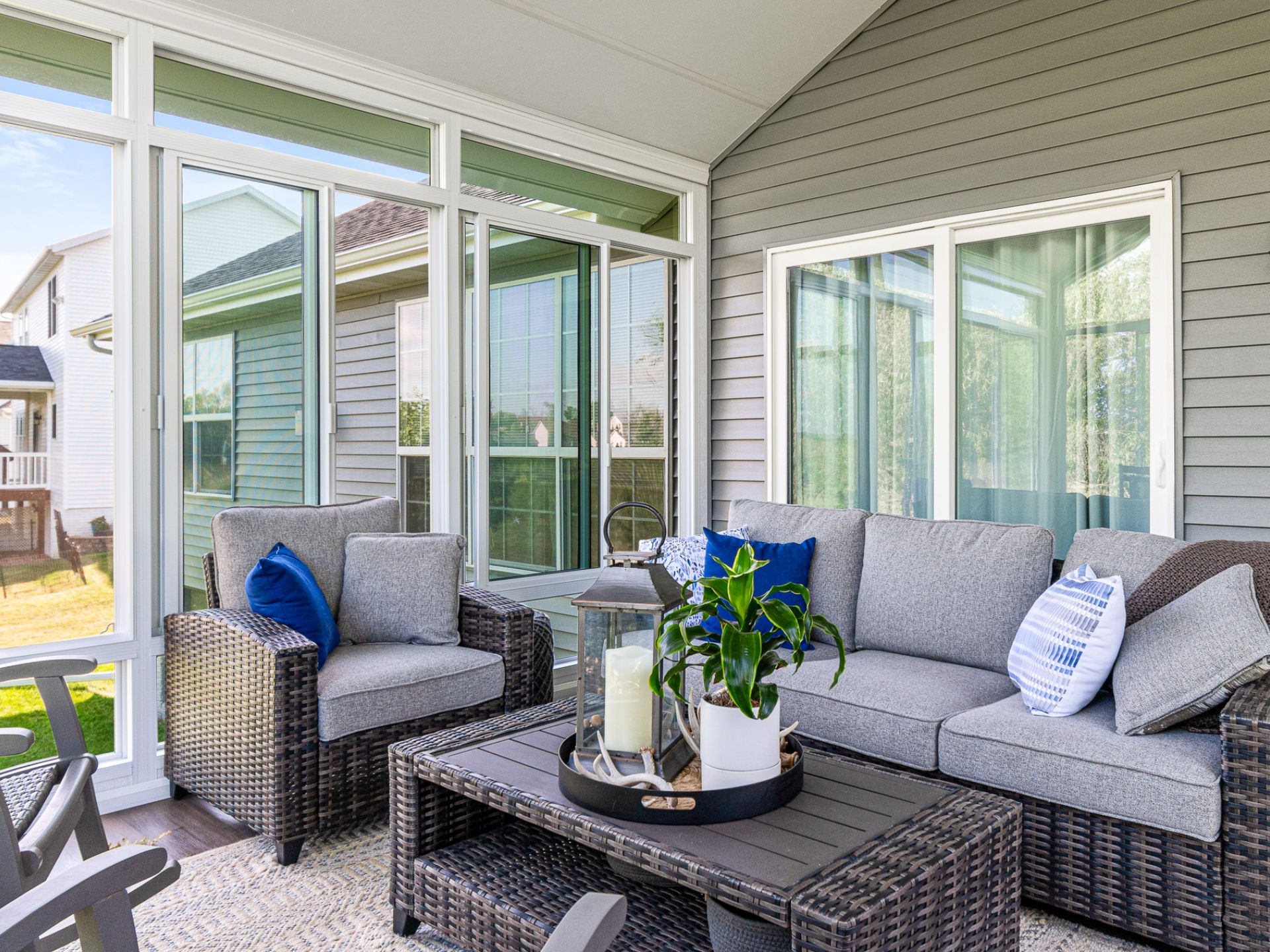
Maybe you started noticing a little extra noise from the street.
Maybe you can feel cold air creeping in around the frame on a January morning.
Or maybe your windows are just old enough that you’ve started wondering whether you’re overdue for a replacement.
Once the question of replacement enters your mind, others quickly follow.
Do I really need new windows, or can I just repair what I have? Are triple-pane windows actually worth it here in Iowa? Is there any financial help available? And once I replace them, how long should I expect them to last?
In this guide, we’ll walk through five of the most important questions to ask before replacing your windows, including a few topics that don’t get nearly enough attention.
Can new windows actually reduce outside noise?
Yes, new windows can meaningfully reduce outside noise, but how much depends on the glass configuration, frame construction, and the quality of the window’s seal and installation. Double-pane and triple-pane windows with laminated glass provide the most significant noise reduction.
This is one of those topics that often pleasantly surprises homeowners. They come to us primarily thinking about energy efficiency or drafts, and then discover that their new windows also make their home noticeably quieter.
That said, it’s important to set realistic expectations. Windows are one piece of a home’s overall sound barrier, not the only one. Here’s what actually makes a difference.
How Glass Configuration Affects Sound
Single-pane windows offer almost no sound insulation. The glass is thin, there’s no air gap, and sound travels right through. If your home still has single-pane windows, you’re likely feeling the full effect of traffic, neighbors, and outdoor activity.
Double-pane windows (two layers of glass with an insulating gas fill between them) offer a noticeable improvement. The air gap between panes interrupts the path sound travels, reducing how much makes it inside.
For homeowners who want the best possible noise reduction, NRG Noise Reduction Glass with panes of glass that are different thicknesses and slow sound waves takes things further. Laminated glass has a thin plastic interlayer sandwiched between the panes that dampens sound vibrations, similar to how windshields are constructed. It’s particularly effective for lower-frequency sounds like traffic, bass music, and HVAC units.
Why Installation Matters As Much As The Glass
Even the best sound-rated window won’t perform if it’s not installed correctly. Gaps around the frame, improper sealing, or a poor fit in the rough opening all create pathways for sound and air to get through. Proper installation, with quality weatherstripping and foam insulation around the frame, completes the seal.
If noise reduction is a priority for you, mention it specifically during your consultation. That conversation can help guide the right glass and installation approach for your situation.
Are triple-pane windows worth the extra cost in Iowa’s climate?
For many Eastern Iowa homeowners, high-quality double-pane windows with Low-E glass and argon gas fill will deliver excellent performance at a lower cost than triple-pane windows. Triple-pane windows offer real benefits, especially in extreme cold, but whether they’re worth the additional investment depends on your specific home, budget, and priorities.
This is one of the most genuinely nuanced questions we get asked. There’s no universal right answer, so let’s break down what you’re actually comparing.
What Triple-Pane Windows Actually Do Differently
Triple-pane windows add a third layer of glass and a second insulating gas-filled cavity between the panes. This improves the window’s U-factor (its resistance to heat loss) compared to a double-pane window. That means less heat escaping through the glass on the coldest Iowa winter nights, and a window surface that stays warmer to the touch, reducing drafts and condensation near the glass.
They also provide additional noise reduction, since there’s one more barrier for sound to travel through.
The Trade-Offs To Consider
Triple-pane windows typically cost more than comparable double-pane units, sometimes dramatically, depending on the manufacturer and window style. They’re also heavier, which can be a consideration for larger windows or casement-style openings.
The key question is whether the energy savings over time justify the upfront premium. For most Eastern Iowa homes with a well-installed, quality double-pane window with Low-E coating and argon gas fill, the performance gap between double- and triple-pane windows narrows significantly. You’re unlikely to feel a dramatic real-world difference in comfort or energy bills between a premium double-pane and a triple-pane in most residential applications.
When Triple-Pane Makes More Sense
There are situations where triple-pane windows are worth serious consideration. If you are in the northern climate zones of Minnesota or Michigan or have large windows on a north-facing wall exposed to winter winds, have dealt with persistent condensation and cold drafts along glass surfaces, or prioritize noise reduction, the added investment can make more sense. Homes that are otherwise very well insulated also tend to see greater relative benefit from premium windows.
StraightTALK Remodeling Tip
Before deciding between double- and triple-pane, ask your contractor to walk you through the specific U-factor and SHGC ratings for each option being considered. The performance numbers tell a more useful story than the number of panes. A high-quality double-pane window often outperforms a mediocre triple-pane window, so focus on the specs.

Can I repair a window instead of replacing it, and how do I know which is the right call?
In some cases, yes. A window can be repaired rather than replaced. Broken hardware, a failed seal on a single pane, or a damaged latch can often be addressed without full replacement. However, if the frame is rotting, the window operates poorly, condensation is appearing between the panes, or energy performance is compromised throughout the home, window replacement is typically the better long-term investment.
When Window Repair Is The Right Move
Repair makes sense when the issue is isolated, and the underlying window is otherwise in good shape. Common repairable problems include:
- A broken lock, latch, or hardware that prevents the window from closing or locking properly
- A single cracked or broken pane of glass on an otherwise solid window
- A damaged or missing weather strip that’s allowing minor air infiltration
- A sash that has swollen and is difficult to open, but the frame itself is structurally sound
If repair costs are low and the window has a lot of useful life remaining, it may be worth addressing the specific problem rather than replacing the entire unit.
When Window Replacement Is The Smarter Call
There are clear signals that point toward replacement rather than repair:
- Condensation or fogging between the panes of a double-pane window. This means the seal has failed and the insulating gas has escaped. The window’s thermal performance is permanently compromised, and the only real fix is replacing the glass unit or the window itself.
- Rotting or deteriorating frames, especially wood frames that have absorbed moisture over many years. Rot spreads, and a structurally compromised frame can allow water intrusion into your wall cavity.
- Windows that are more than 20 to 25 years old and showing multiple issues. When you’re spending money on repairs that only fix one problem while others remain, replacement starts to make more financial sense.
- Persistent drafts even after weather stripping has been addressed, which often indicates the frame itself has warped or the window is no longer fitting its opening properly.
A good rule of thumb: if repair costs are approaching 50% or more of the cost of a new window, replacement is likely the better investment, especially if the window is aging, and other issues are likely to surface.
StraightTALK Remodeling Tip
If you’re unsure whether to repair or replace, ask a contractor to evaluate the frame and seal condition, not just the surface problem. The hardware or glass might be what you notice, but the frame and seal tell the real story about the window’s remaining useful life.
How long do replacement windows typically last?
Quality replacement windows typically last 20 to 40 years, depending on the frame material, glass package, installation quality, and maintenance. Vinyl and fiberglass windows generally outlast wood in climates like Eastern Iowa, where moisture and temperature swings are significant factors.
This is one of the most important questions to ask when you’re evaluating the true cost of a window replacement project, because a window that lasts 35 years is a very different investment than one that starts failing at 15.
How Frame Material Affects Window Lifespan
Frame material is one of the biggest factors in how long a window lasts, especially in a four-season climate like Eastern Iowa.
Wood frames, when properly maintained, can last for decades. But that “properly maintained” part is the catch. Wood is vulnerable to moisture, requiring regular painting or sealing to prevent rot and warping. In Eastern Iowa’s humid summers and wet shoulder seasons, wood frames that aren’t consistently maintained can begin to deteriorate much sooner than expected.
Vinyl frames naturally resist moisture, don’t require painting, and tend to hold up well under repeated freeze-thaw cycles. Quality vinyl windows commonly last 20 to 30 years or more without significant issues. Lower-grade vinyl can become brittle over time, especially in extreme cold, so material quality still matters within this category.
The Role Of Installation And Glass Seal Integrity
Even a high-quality window can underperform or fail early if it isn’t installed correctly. Poor installation, gaps in the rough opening, inadequate flashing, or improper sealing around the frame can allow water intrusion, which, over time, damages both the window and the surrounding wall structure.
The insulated glass unit (the sealed glass assembly within the frame) is often the first component to show signs of age. When the seal fails, you’ll see fogging or condensation between the panes. Depending on the warranty, this may be a covered repair, but it’s worth asking about glass seal warranties specifically when evaluating window options.
What A Warranty Actually Tells You
Window warranties vary significantly between manufacturers. Some offer limited lifetime warranties on the frame, with separate, shorter coverage for the glass unit and hardware. Others offer more comprehensive coverage. When comparing windows, read the warranty carefully: what’s covered, for how long, whether it’s transferable if you sell your home, and what the claim process actually looks like. A strong warranty is a good signal of a manufacturer’s confidence in their product.
StraightTALK Remodeling Tip
When comparing window options, ask specifically about the warranty on the glass seal, not just the frame. The frame often has the longest coverage, but the insulated glass unit is the one that tends to fail first. Knowing what’s actually covered and for how long helps you make a true apples-to-apples comparison between products.
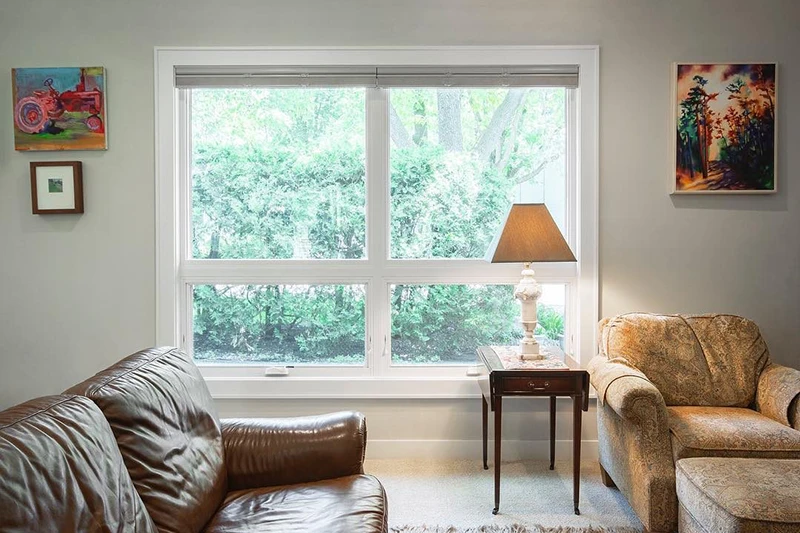
Are there tax credits available for energy-efficient window replacement?
The federal Energy Efficient Home Improvement Tax Credit (Section 25C), which offered up to $600 for qualifying window replacements, expired on December 31, 2025. As of 2026, this credit is no longer available for new installations. Homeowners who completed qualifying window replacements in 2025 can still claim the credit on their 2025 tax return, filed in early 2026. Iowa-specific state rebate programs are pending but not yet available as of mid-2026. Your best current option is to check directly with your local utility provider for any active rebate programs.
What The 25c Credit Was, And Who Can Still Claim It
The Energy Efficient Home Improvement Credit (25C), established under the Inflation Reduction Act, allowed homeowners to claim 30% of the cost of qualifying energy-efficient windows and skylights, up to a maximum of $600 per year. To qualify, windows needed to meet the ENERGY STAR Most Efficient criteria for your climate zone. Per the IRS Energy Efficient Home Improvement Credit page and ENERGY STAR’s Windows & Skylights Tax Credit page, this credit applied to windows purchased and installed between January 1, 2023, and December 31, 2025.
If you had qualifying windows installed during the 2025 tax year, you can still claim the credit when filing your 2025 taxes using IRS Form 5695. Note that the IRS also requires a Qualified Manufacturer Identification Number (QMID) to be included on your 2025 return. Your contractor or manufacturer should be able to provide this.
For windows installed in 2026 or later, the federal credit is no longer available under current law.
What About Iowa State Rebate Programs?
Iowa applied for approximately $120 million in federal funding through two IRA-created programs: the HOMES (Home Owner Managing Energy Savings) Rebate Program and the HEAR (High-Efficiency Electric Home Rebate) Program. However, as noted on the Iowa Energy and Infrastructure Funding Hub, these funds are not currently available to Iowa homeowners. The Iowa Economic Development Authority (IEDA) applied for the funds, but the timing remains uncertain due to ongoing federal funding decisions. The rebates are also not expected to be retroactive.
In short, these programs may eventually provide meaningful rebates for energy-efficiency upgrades, but they cannot be counted on for window replacement projects planned right now.
Please note that Hometown Restyling is a home remodeling company, not a tax professional. The information above is provided as general background to help you ask better questions. Tax situations vary, and the rules around credits, eligibility, and filing requirements can change. We strongly encourage you to speak with a qualified tax advisor or CPA about your specific situation before making any decisions based on tax-related information.
Utility Rebates: Your Best Current Option In Iowa
Your local utility provider is the most reliable place to look for currently active rebates. MidAmerican Energy, which serves much of Eastern Iowa, offers an active 2026 rebate program for residential energy efficiency equipment. Their current program is focused primarily on HVAC equipment, not windows directly, but rebate offerings do change and it’s worth a quick check with your specific provider.
Iowa also has a Weatherization Assistance Program administered through Iowa Health and Human Services, which helps low-income households improve energy efficiency, including windows, at reduced or no cost. If you or someone in your household qualifies based on income, this program may be worth exploring.
The Long-Term Value Still Exists
Even without a tax credit, energy-efficient windows deliver ongoing value through reduced heating and cooling costs year after year. In Eastern Iowa’s climate, with its cold winters and hot, humid summers, poorly performing windows are a consistent drain on energy costs. A well-insulated replacement window pays dividends over its lifespan through comfort, lower utility bills, and reduced wear on your HVAC system.
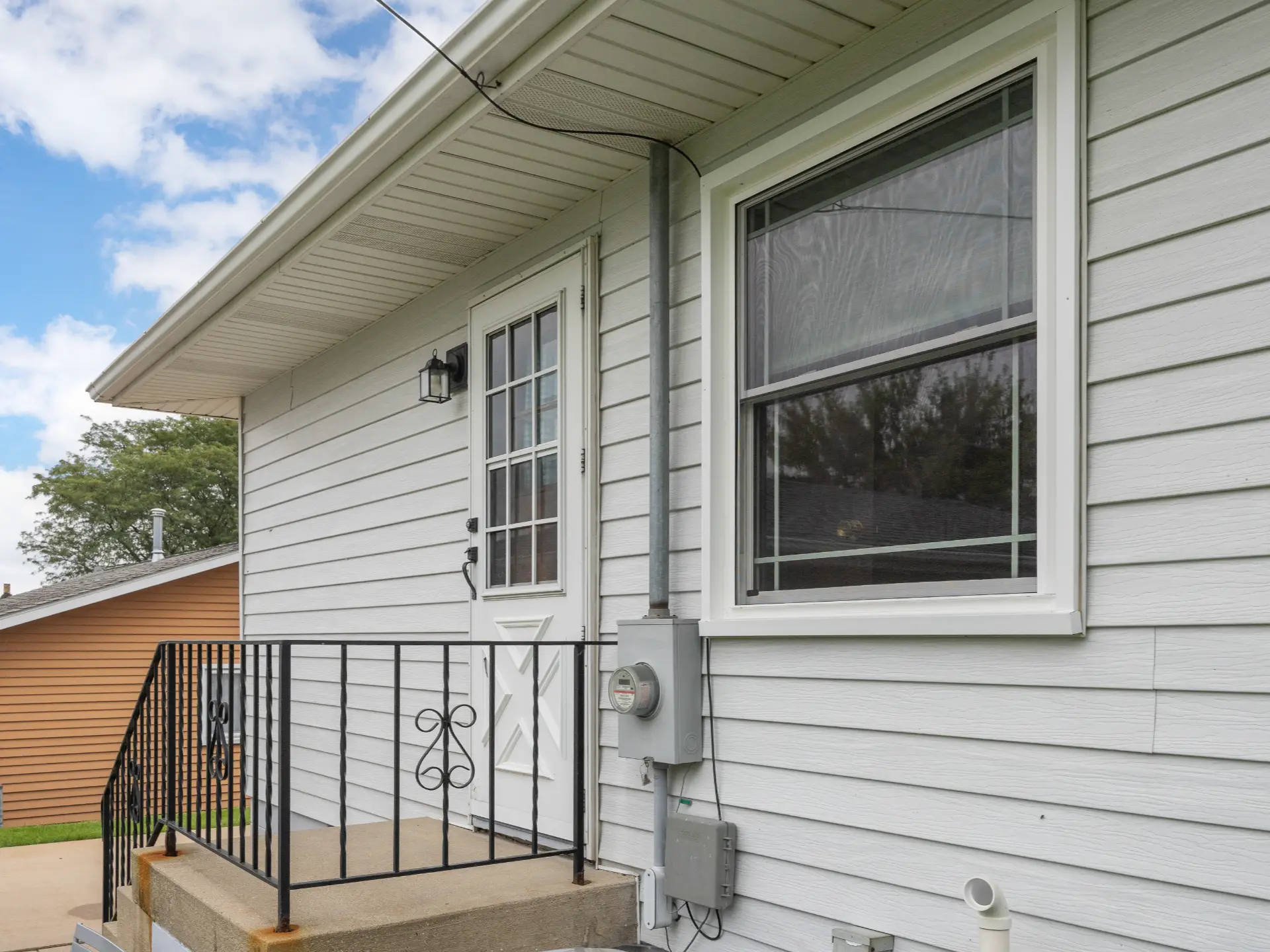
StraightTALK Wrap-Up
Window replacement is one of those home improvement projects that touches a lot of different concerns at once: comfort, energy costs, noise, security, and long-term home value. And because it’s a significant investment, homeowners deserve straight answers, not sales pitches.
Here’s a quick recap of what we covered:
- New windows can reduce outside noise, especially with laminated glass and proper installation. Mention it as a priority so your contractor can guide you toward the right options.
- Triple-pane windows offer real performance benefits in Iowa’s climate, but a high-quality double-pane window often delivers excellent results at a lower cost. Focus on the specs, not just the number of panes.
- Repair can be the right call for isolated issues, but failed seals, rotting frames, or aging windows with multiple problems typically point toward replacement as the better long-term investment.
- Quality replacement windows last 20 to 40 years. Frame material, installation quality, and glass seal integrity are the biggest factors in how long yours will perform.
- The federal 25C tax credit for energy-efficient windows expired at the end of 2025. Iowa’s state rebate programs are pending but not currently available. Check with your local utility provider for any active rebates, and explore the Iowa Weatherization Assistance Program if you qualify based on income.
If you’re ready to start exploring your options, the team at Hometown Restyling is happy to walk you through what makes sense for your home, your budget, and your goals, without pressure or guesswork.
And if you’d like to dig deeper into related topics, check out our guide on what every homeowner should know about replacing doors and windows in Eastern Iowa.
1. Can new windows actually reduce outside noise?
Yes, new windows can meaningfully reduce outside noise, but how much depends on the glass configuration, frame construction, and the quality of the window’s seal and installation. Double-pane and triple-pane windows with laminated glass provide the most significant noise reduction.
2. Are triple-pane windows worth the extra cost in Iowa’s climate?
For many Eastern Iowa homeowners, high-quality double-pane windows with Low-E glass and argon gas fill will deliver excellent performance at a lower cost than triple-pane windows. Triple-pane windows offer real benefits, especially in extreme cold, but whether they’re worth the additional investment depends on your specific home, budget, and priorities.
3. Can I repair a window instead of replacing it, and how do I know which is the right call?
In some cases, yes. A window can be repaired rather than replaced. Broken hardware, a failed seal on a single pane, or a damaged latch can often be addressed without full replacement. However, if the frame is rotting, the window operates poorly, condensation is appearing between the panes, or energy performance is compromised throughout the home, replacement is typically the better long-term investment.
4. How long do replacement windows typically last?
Quality replacement windows typically last 20 to 40 years, depending on the frame material, glass package, installation quality, and maintenance. Vinyl and fiberglass windows generally outlast wood in climates like Eastern Iowa, where moisture and temperature swings are significant factors.
5. Are there tax credits available for energy-efficient window replacement?
The federal Energy Efficient Home Improvement Tax Credit (Section 25C), which offered up to $600 for qualifying window replacements, expired on December 31, 2025. As of 2026, this credit is no longer available for new installations. Homeowners who completed qualifying window replacements in 2025 can still claim the credit on their 2025 tax return, filed in early 2026. Iowa-specific state rebate programs are pending but not yet available as of mid-2026. Your best current option is to check directly with your local utility provider for any active rebate programs.