


The bugs showed up this weekend.
If you live in Eastern Iowa, you know exactly what that means. Mid-May, first warm Saturday, you step outside and within ten minutes you’re back inside. The mosquitoes are here. The gnats are here. And that perfectly good evening you had planned on the patio just got relocated to the kitchen.
This is usually when the sunroom conversation gets serious. Not the “wouldn’t that be nice” version of the conversation. The real one: what would it actually take to have a space that’s outside enough to feel like summer, but inside enough to keep the bugs out, the temperature comfortable, and the ceiling fan running while you read, eat, or just sit without swatting at something every thirty seconds?
The answer is a sunroom. And the question we hear most at this point in the season is: can I still get this done before summer is over?
In most cases, yes, if you start the process now. The best way to start is knowing what the process actually looks like: how long it takes, what you can and can’t customize, what decisions need to be made before the first wall goes up, and what questions homeowners wish they’d asked sooner.
At Hometown Restyling, we install sunrooms for homeowners throughout Cedar Rapids, Iowa City, Marion, North Liberty, and across Eastern Iowa. This week’s StraightTALK covers the five questions we hear most. If you’re ready to explore what a sunroom could look like for your home, our sunroom installation page is a good place to start alongside this article.
How long does it take to install a sunroom?
The installation of most sunrooms takes two to six weeks for the structure itself once materials are on-site and the foundation is ready. However, the full timeline from your first consultation to sitting in your new room typically runs three to six months depending on the project backlog, accounting for design, any permitting required, material lead times, and scheduling. Starting the process in May gives most Eastern Iowa homeowners a realistic shot at enjoying their sunroom this summer and into the cooler seasons, too.
The Full Timeline, Step by Step
Most homeowners focus on the installation day — but that’s actually the shortest part of the process. Here’s how the full timeline breaks down:
| Phase | What Happens | Typical Timeframe |
| Consultation & design | Walk through your space, discuss size and style options, review product lines, select features | 1–2 weeks |
| Permitting (if required) | Most sunroom additions require a building permit. Hometown Restyling handles this on your behalf. | 1–3 weeks |
| Material order & lead time | Sunroom components are manufactured to your specifications and shipped to the job site | 6–8 weeks |
| Foundation / prep work | Any concrete work, footing installation, or deck modifications needed before installation begins | 2–5 days |
| Structure installation | Walls, windows, roof system, and door installation by the crew | 5–10 days |
| Finishing & punch list | Trim, caulking, electrical rough-in connections, final walkthrough | 2-10 days |
One thing worth knowing: permit timelines vary by municipality. Cedar Rapids, Iowa City, Marion, and North Liberty each have their own processes, and some move faster than others. We manage permitting for you, but building it into your timeline expectations from the start prevents the most common source of frustration.
Why Mid-May Is a Great Time to Start
Sunroom installations are one of the most popular projects we schedule each spring, and our calendar fills up quickly once the weather turns. Homeowners who start the conversation in May typically have their rooms installed and ready in July or August, during the heart of outdoor living season.
If you’re reading this and wondering whether it’s too late, it’s not. But the window for a summer installation is starting to close.
VIDEO EMBED: https://www.youtube.com/watch?v=vJokOulSIxc
StraightTALK Remodeling Tip
Don’t wait until everything is decided before reaching out. The consultation itself answers most of the questions homeowners think they need to resolve beforehand: size, style, foundation requirements, and cost. Starting the conversation is the fastest way to understand what’s actually possible for your specific home.
Are sunrooms customizable in terms of size?
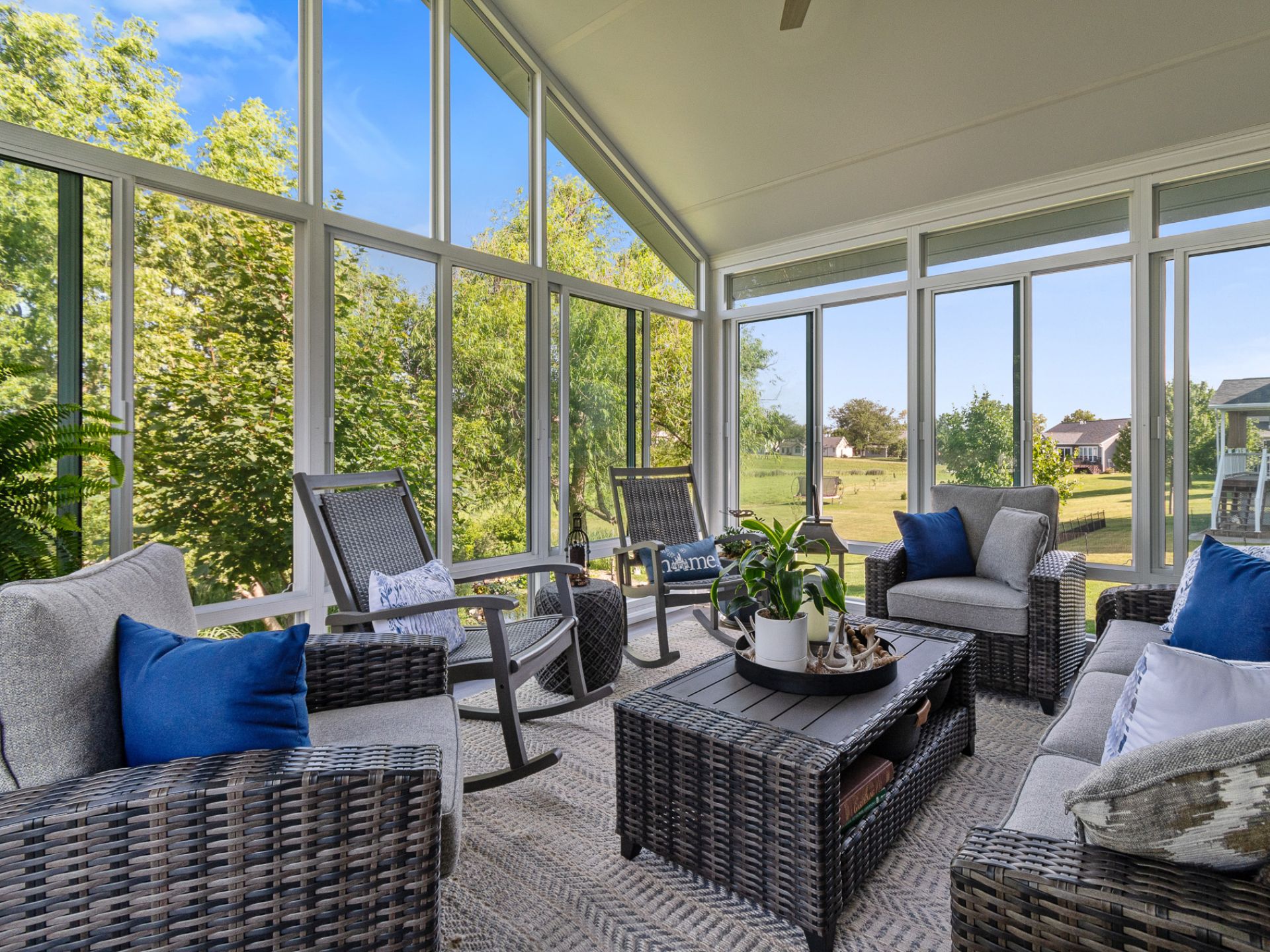
Yes. Sunrooms are highly customizable, and the size is one of the most flexible variables in the entire project. Sunrooms are designed and built to fit your specific space, not a standard footprint. Width, depth, ceiling height, roof pitch, and wall configuration are all determined by your home’s layout, the existing structure underneath, and how you want to use the room. Most homeowners are surprised by how much flexibility actually exists.
What Determines the Size of Your Sunroom
The primary factors that shape a sunroom’s dimensions are:
- Your home’s attachment points: A sunroom typically attaches to an exterior wall of your home. The width of that wall and the location of doors, windows, and structural elements all influence how wide the room can be.
- The foundation underneath: Whether you have an existing deck, a concrete patio, or bare ground determines what prep work is needed and what dimensions make structural sense.
- Setback requirements: Local zoning codes require a minimum distance between any structure and your property line. We check this during the design phase so there are no surprises.
- HOA restrictions: If you live in a community with a homeowners association, there may be design or size guidelines that apply. Worth confirming early.
- How you want to use the space: A sunroom for morning coffee and reading doesn’t need the same footprint as one designed for a full dining table and seating area.
Small Yards and Tight Spaces Are Not a Barrier for Sunrooms
One of the most common misconceptions we hear is that a homeowner’s yard is “too small” for a sunroom. In most cases, that’s not true. A well-designed 10×12 or 12×14 sunroom can transform the livability of a home without consuming a significant portion of the yard. The design conversation is often where homeowners realize that what they thought was a constraint is actually workable.
If you’re weighing size options and trying to understand what different configurations cost, our sunroom cost breakdown guide walks through the main variables that affect pricing, size being one of the most significant.
StraightTALK Remodeling Tip
Before your consultation, walk the exterior of your home with fresh eyes and note which wall you’d like the sunroom to attach to, and roughly how far you’d want it to extend into the yard. You don’t need exact measurements, your designer will handle that, but having a starting direction can make the first conversation more productive.
Can you put a TV and/or ceiling fan in a sunroom?
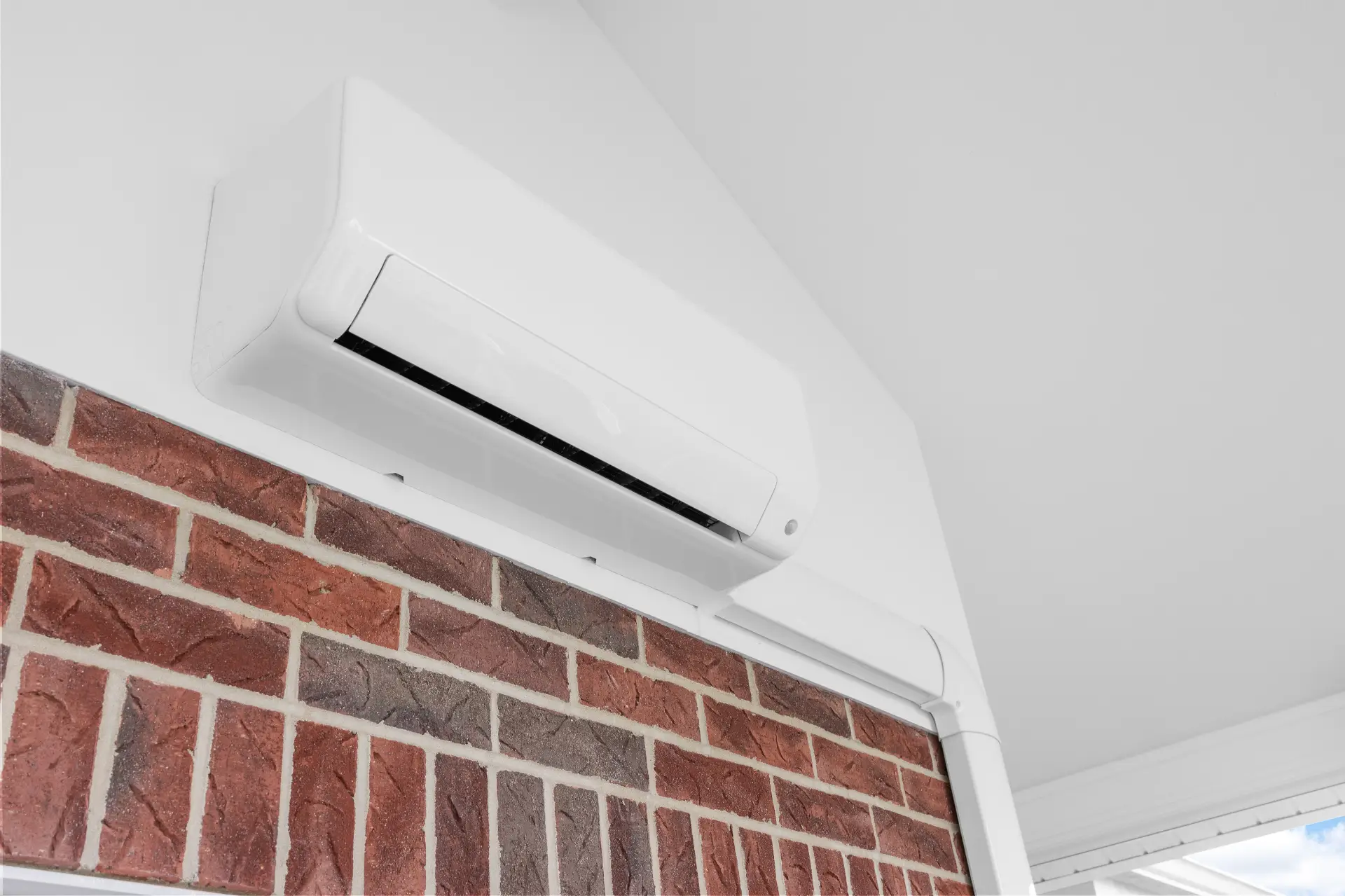
Yes to both. And in fact, planning for a TV and ceiling fan during the design phase rather than after installation is a much easier time to make that decision. A sunroom with thoughtful electrical planning becomes a full-time living space. One that’s retrofitted after the fact often ends up with exposed conduit, awkward outlet placement, and fans that don’t quite fit the space. The difference is in the planning.
Electrical Planning: Why It Has to Come First
Sunrooms require a dedicated electrical circuit run from your home’s panel before the walls go up. Once the structure is installed, adding circuits becomes significantly more difficult and expensive. During the design phase, we discuss:
- How many outlets you need and where they should be placed
- Whether you want a ceiling fan rough-in (a dedicated electrical box in the ceiling with the correct support for fan weight)
- Where the TV will be mounted and whether a recessed outlet or conduit run is needed behind the wall
- Whether you want exterior lighting on the roofline or soffit
- Any smart home integration (switches, dimmers, motion sensors)
Getting all of this decided before installation begins costs nothing extra in planning time and saves significant money in a retrofit project later.
TV Placement in a Sunroom: Glare Is the Main Challenge
The most common challenge with a sunroom TV isn’t wiring, it’s glare. Glass walls and a glass or polycarbonate roof let in a lot of natural light, which is the whole point, but it can make screen viewing difficult during certain parts of the day.
The most common solution is mounting the TV on the solid wall that attaches to the house. But there’s a design approach worth knowing about that’s becoming increasingly popular in both sunrooms and screened-in porches: adding a solid partial-wall on the far end of the room (the wall opposite the house).
This one design decision serves two purposes at once:
- Privacy: If you have neighbors directly behind your home, a solid end wall creates a natural privacy screen without sacrificing the open, airy feel of the room on the sides. You get the light and the view you want, without the feeling of being on display.
- TV placement flexibility: That solid end wall becomes a dedicated mounting surface away from the house, which often creates a better viewing angle for the whole room, keeps the TV out of direct afternoon sun, and frees up the house-side wall for seating, shelving, or a bar setup instead.
If you’re in a neighborhood with tightly spaced lots, or if you just want more flexibility in how you arrange the room, it’s worth raising during the design conversation.
A couple of other approaches that help manage glare:
- Solar shades: Roller shades on the glass panels adjacent to the TV can be pulled down during viewing without eliminating all natural light.
- Anti-glare screen protectors: For smaller TVs, a matte screen protector reduces reflection significantly.
Ceiling Fans in Sunrooms: Sizing Matters
A ceiling fan in a sunroom is a practical upgrade, not just an aesthetic one. Iowa summers are humid, and even a well-ventilated glass room can feel warm in July. A properly sized ceiling fan moves air without creating a wind tunnel.
General rule: for a sunroom up to 144 square feet (12×12), a 44–52-inch fan works well. For larger rooms, go up to 52–60 inches. Damp-rated fans are the right choice for sunrooms that experience significant temperature and humidity swings between Iowa seasons.
StraightTALK Remodeling Tip
Make a simple list of everything you want to plug in or mount in the sunroom: TV, fan, lamps, string lights, a mini-fridge, phone chargers, speakers. Bring it to your design consultation. Your designer will use it to spec the electrical layout, and you’ll never have to run an extension cord across the floor.
What kind of flooring goes in a sunroom?
The best flooring for an Eastern Iowa sunroom is one that can handle temperature swings, resist moisture, and still feel comfortable underfoot year-round. Tile and luxury vinyl plank (LVP) are the most popular choices. Carpet is possible in a four-season sunroom with proper climate control, but requires more careful maintenance given Iowa’s humidity and seasonal extremes. The right choice depends on how you’ll use the room and how much of the year you’ll be in it.
Sunroom Flooring Options Compared
| Flooring Option | Best For | Iowa Climate Notes |
| Porcelain or ceramic tile | Year-round sunrooms; high-traffic areas; wet or muddy entry points | Excellent moisture resistance; stays cool in summer but can feel cold in winter without radiant heat |
| Luxury vinyl plank (LVP) | Four-season use; families with kids or pets; homeowners wanting a wood look | Handles humidity and temperature change well; warm underfoot; easy to clean; most popular option |
| Carpet | Three-season rooms with HVAC; cozy reading or TV rooms | Comfortable but requires ventilation management in summer; can trap humidity; harder to clean |
| Stamped concrete / polished concrete | Modern aesthetic; all-season durability; low maintenance preference | Excellent durability; cold in winter; can be sealed for moisture resistance; pairs well with area rugs |
For most Eastern Iowa homeowners with a four-season sunroom, luxury vinyl plank hits the best combination of durability, comfort, and ease of maintenance. It tolerates the temperature swings between a January morning and a July afternoon better than almost any other material, and it looks great with the natural light that makes sunrooms worth building in the first place.
One Sunroom Flooring Decision That Often Gets Missed
Transition strips (the piece where your sunroom floor meets the interior floor of your home) matter more than homeowners expect. A well-matched transition creates a seamless connection between spaces. A poorly matched one makes the sunroom feel like an afterthought. If you’re planning LVP in the sunroom and have hardwood in the adjacent room, choose a complementary tone rather than trying to match exactly. Your designer can help coordinate this during the planning phase.
StraightTALK Remodeling Tip
If you’re choosing flooring for a sunroom that will be used heavily in both summer and winter, pick comfort for the cold months over aesthetics. A beautiful floor that feels like stepping on ice in January is rarely the right choice in Iowa. LVP with an underlayment adds warmth underfoot without changing the look.
Can I enclose a patio cover with sunroom walls at a later date?
Sometimes yes, sometimes no. And the answer depends almost entirely on how the original patio cover was designed and built. A patio cover that was engineered with a future sunroom conversion in mind can often be enclosed relatively efficiently. One that was built to standard patio cover specs usually can’t, and attempting to build on top of it creates structural and permitting problems that end up costing more than starting fresh.
What Makes a Patio Cover “Sunroom-Ready”
A standard patio cover is designed to support its own weight, some snow load, and the occasional person on the roof doing maintenance. A sunroom adds walls, glass panels, and a more substantial roof system, which means significantly more load than the original patio cover footings and posts were designed to carry.
For a patio cover to serve as a future sunroom foundation, it typically needs:
- Deeper footings: Footings engineered for a sunroom’s load, not just a shade structure. In Eastern Iowa, this means going below the frost line (42 inches) with footings sized for the additional wall and roof weight.
- Heavier post sizing: Posts sized for structural load, not just vertical support of the cover roof.
- Proper wall attachment points: The framing must be designed to accept sunroom wall panels and window systems, which have specific attachment requirements.
- Correct roof pitch and load rating: The roof system must be designed to handle the weight of glass or polycarbonate panels, plus Iowa’s snow load requirements.
The Phased Approach: How to Do It Right
If you know you want a sunroom eventually but want to start with a patio cover now, the right approach is to talk it through during the patio cover design process. We can engineer the cover to sunroom-ready specifications from the start: heavier posts, deeper footings, appropriate framing. This makes the future conversion straightforward rather than a rebuild.
The alternative (building a standard patio cover now and hoping to convert it later) almost always results in removing and rebuilding the foundation anyway, which means paying for it twice. It’s one of the most common scenarios we see where a little upfront planning (if the option was available) could have saved the homeowner thousands of dollars.
StraightTALK Remodeling Tip
If you already have a patio cover and are wondering whether it can be converted, the answer starts with a structural assessment. Before investing in sunroom walls and windows, have someone evaluate the footings, posts, and roof framing. If the foundation isn’t adequate, the right move is to rebuild it correctly, it’s the only way to ensure the finished room is safe and permitted.
StraightTALK Wrap-Up
The bugs are here. They’re going to be here until October. And if you’ve been thinking about a sunroom for longer than one summer, this is the year to stop thinking about it and start the conversation.
Here’s what to take away from this week’s breakdown:
- Most sunroom installations take 1-3 weeks; the full timeline from consultation to completion is 8–12 weeks.
- Sunrooms are highly customizable in size; small yards and existing patios are rarely the barrier homeowners think they are.
- Plan your TV, ceiling fan, and electrical layout before installation. A solid end wall opposite the house adds privacy and a second TV mounting option.
- Luxury vinyl plank is the most practical flooring choice for Iowa’s climate; tile and carpet both work with the right conditions.
- Patio covers can be converted to sunrooms, but only if they were built for it; tell us your long-term plans before we design the cover.
The Hometown Restyling team works with homeowners throughout Eastern Iowa to design and install sunrooms that actually get used: all summer, all year, bug-free.
If you’re ready to start the conversation, reach out to schedule a consultation. And if you’re still in the research phase, you’ve got all the right questions to ask.
-
How long does it take to install a sunroom?
The installation of most sunrooms takes two to six weeks for the structure itself once materials are on-site and the foundation is ready. However, the full timeline from your first consultation to sitting in your new room typically runs three to six months depending on the project backlog, accounting for design, any permitting required, material lead times, and scheduling. Starting the process in May gives most Eastern Iowa homeowners a realistic shot at enjoying their sunroom this summer and into the cooler seasons, too.
-
Are sunrooms customizable in terms of size?
Yes. Sunrooms are highly customizable, and the size is one of the most flexible variables in the entire project. Sunrooms are designed and built to fit your specific space, not a standard footprint. Width, depth, ceiling height, roof pitch, and wall configuration are all determined by your home’s layout, the existing structure underneath, and how you want to use the room. Most homeowners are surprised by how much flexibility actually exists.
-
Can you put a TV and/or ceiling fan in a sunroom?
Yes to both. And in fact, planning for a TV and ceiling fan during the design phase rather than after installation is a much easier time to make that decision. A sunroom with thoughtful electrical planning becomes a full-time living space. One that’s retrofitted after the fact often ends up with exposed conduit, awkward outlet placement, and fans that don’t quite fit the space. The difference is in the planning.
-
What kind of flooring goes in a sunroom?
The best flooring for an Eastern Iowa sunroom is one that can handle temperature swings, resist moisture, and still feel comfortable underfoot year-round. Tile and luxury vinyl plank (LVP) are the most popular choices. Carpet is possible in a four-season sunroom with proper climate control, but requires more careful maintenance given Iowa’s humidity and seasonal extremes. The right choice depends on how you’ll use the room and how much of the year you’ll be in it.
-
Can I enclose a patio cover with sunroom walls at a later date?
Sometimes yes, sometimes no. And the answer depends almost entirely on how the original patio cover was designed and built. A patio cover that was engineered with a future sunroom conversion in mind can often be enclosed relatively efficiently. One that was built to standard patio cover specs usually can’t, and attempting to build on top of it creates structural and permitting problems that end up costing more than starting fresh.