

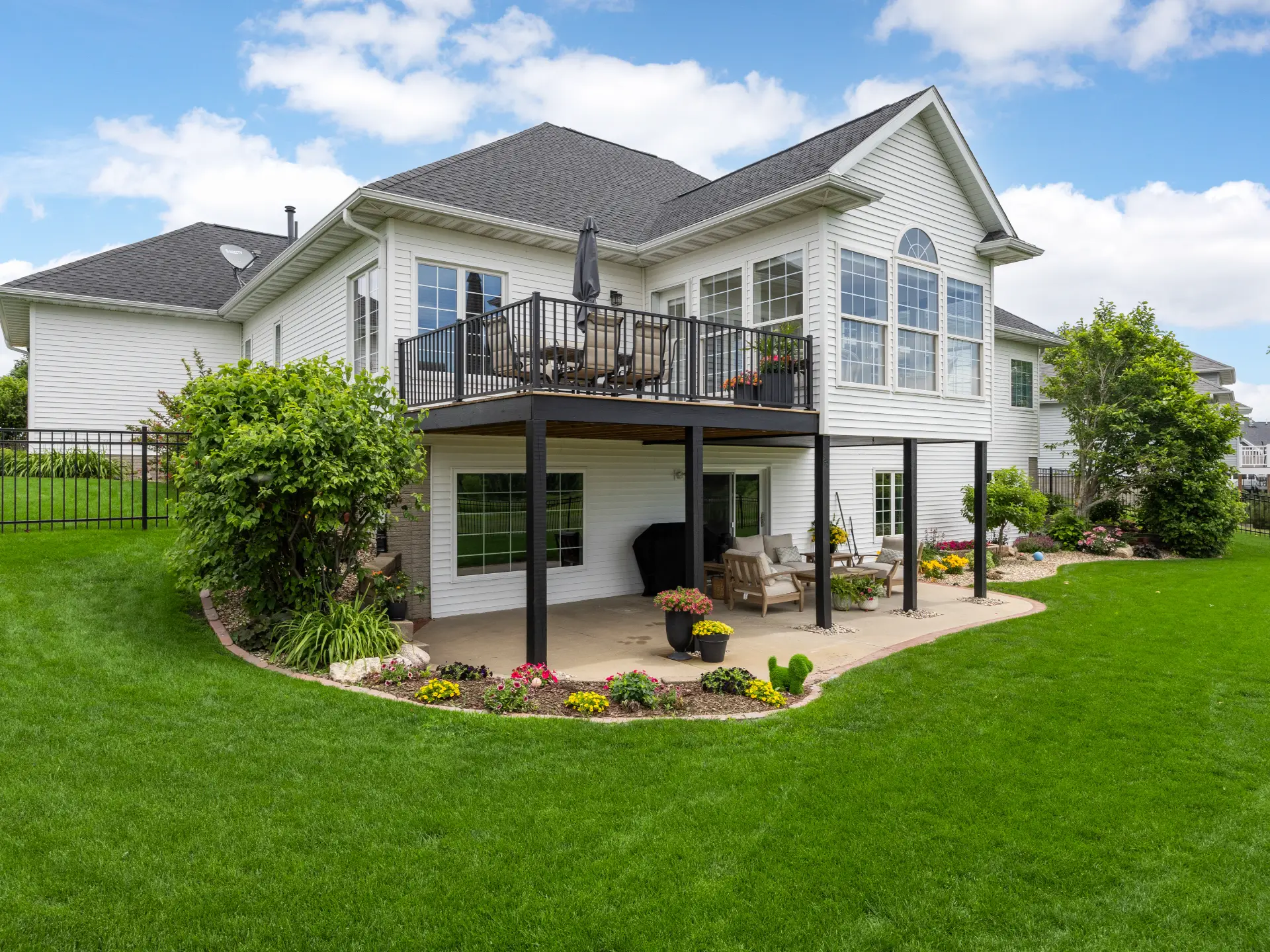
Every spring, it happens the same way.
The snow melts, the temperatures start climbing, and homeowners across Cedar Rapids, Iowa City, and the surrounding Eastern Iowa communities step outside and take a hard look at their deck for the first time in months. Maybe the boards are faded or cracking. Maybe the whole thing is overdue for an upgrade. Or maybe you’ve been dreaming about finally building the outdoor space your home deserves.
And then the questions start: What is this actually going to cost? Is it worth rebuilding from scratch? What about adding a screened-in porch? Will this even add value to my home?
At Hometown Restyling, we’ve been building and replacing decks across Eastern Iowa since 1986, and these are the exact questions we hear every season. In this StraightTALK, we’re going to give you straight answers on deck costs, what drives them up or down, and how to make the right decision for your home and your budget.
How much does it cost to build a new deck in Eastern Iowa?
A new deck in Eastern Iowa typically costs between $10,000 and $50,000 or more installed, depending on size, materials, elevation, and project complexity. Composite and PVC decking tends to cost more upfront than pressure-treated wood but delivers significantly better long-term performance with far less maintenance.
Entry-Level Decks ($10,000 to $15,000 Installed)
Entry-level decks are usually smaller in size and built with pressure-treated wood or basic composite materials. They’re a viable starting point for homeowners with tighter budgets, but it’s important to understand what you’re getting.
Pressure-treated wood can look great when it’s first installed. The challenge is that it requires ongoing maintenance to hold up over time, including regular cleaning, staining or sealing every couple of years, and board replacement as warping and cracking develop. In a four-season climate like Eastern Iowa, where freeze-thaw cycles and humidity put constant stress on outdoor materials, that maintenance schedule isn’t something to take lightly.
Mid-Range Decks ($15,000 to $35,000 Installed)
Mid-range decks typically feature better materials, more space, and stairs. This is also where you start seeing composite decking options that offer a noticeable upgrade in both appearance and durability.
For many Eastern Iowa homeowners, this range hits the sweet spot between upfront investment and long-term value.
Premium Decks ($35,000 to $50,000+ Installed)
Premium decks are built with high-quality materials such as cellular PVC or premium composite boards, and they often include custom features, complex framing, elevated designs, or greater square footage. At Hometown Restyling, we primarily install Clubhouse Premium PVC Decking by TruNorth, which is engineered for long-term performance without the maintenance demands of wood.
The investment is higher, but so is the return in terms of longevity, appearance, and the time you get back by avoiding all that weekend upkeep.
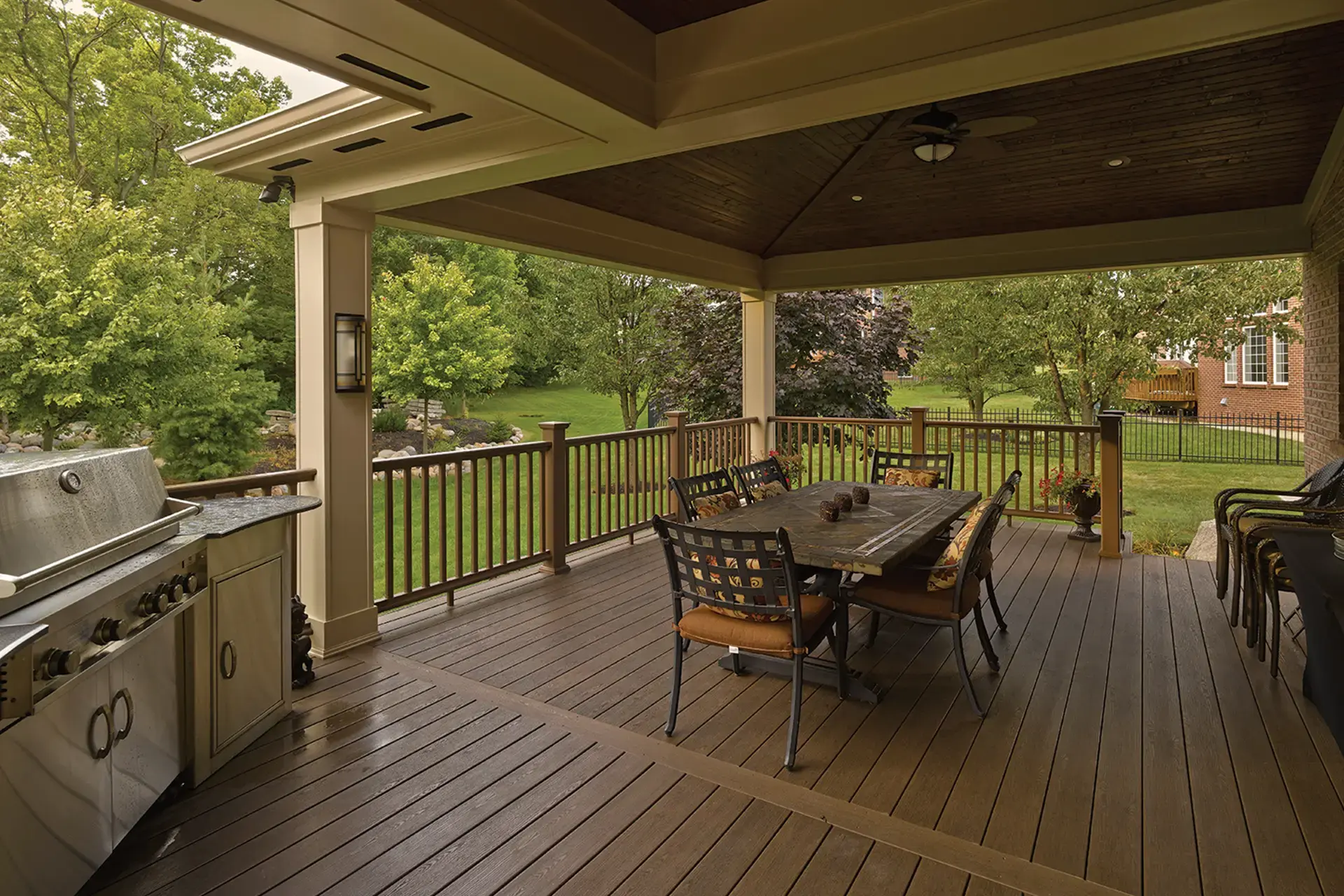
Wood vs. Composite vs. Cellular PVC: What’s the Difference in Cost?
Material choice is one of the biggest cost drivers in any deck project. Here’s a general breakdown of how the three main options compare:
- Pressure-Treated Wood has the lowest upfront cost, but the total cost of ownership rises over time due to regular maintenance, staining, sealing, and eventual board replacement.
- Composite Decking costs more upfront than wood but is significantly more durable and requires far less maintenance. Composite boards resist moisture, fading, and general wear much better than traditional wood.
- Cellular PVC Decking is the premium option. It won’t absorb moisture, won’t rot, and holds its color and appearance for decades. Products like TruNorth’s Clubhouse line come with a limited lifetime warranty and are designed specifically for climates like ours.
If you want to dig deeper into why low-maintenance materials are worth the investment, check out our article on the benefits of maintenance-free decking.
StraightTALK Remodeling Tip
When comparing deck quotes, don’t just look at the bottom line number. Ask what materials are being used and what warranties are included. A cheaper deck built with lower-grade materials can end up costing more over the next decade once you factor in maintenance, repairs, and eventual replacement.
Is it cheaper to resurface my deck than to build a new one?
Yes, resurfacing an existing deck is almost always less expensive than a full rebuild, and in many cases it’s the smarter investment. If your deck’s structural frame is still in good shape, replacing just the deck boards (a process sometimes called a deck overlay) can dramatically improve your outdoor space at a fraction of the cost of starting from scratch.
What a Deck Overlay Involves
A deck overlay focuses on the surface of your deck rather than the structure underneath. The process typically includes removing the old decking boards, inspecting the frame and joists for any damage or deterioration, reinforcing structural components where needed, and installing new decking materials.
Because the underlying frame stays in place, the project is faster and less expensive than a full rebuild. And because you’re choosing new materials for the surface, you have the opportunity to upgrade from aging wood boards to composite or cellular PVC, which completely changes the long-term maintenance picture.
When Resurfacing Makes Sense
Deck resurfacing works well when the following conditions are met:
- The joists and framing are structurally sound
- The footings are stable and undamaged
- There is no significant rot or deterioration in the support structure
- The deck’s framing spacing is compatible with the new decking material
If those boxes are checked, a deck overlay can be one of the most cost-effective remodeling projects you can take on. You get a fresh, updated outdoor space without the expense and disruption of a full rebuild.
When a Full Replacement Is the Better Call
There are situations where replacing only the boards won’t solve the underlying problem. If your deck shows signs of structural deterioration, rotting support beams, footing issues caused by soil movement or frost heave, or framing that was undersized from the beginning, a full rebuild is the right answer. Putting new boards over a compromised frame just delays the inevitable and can create safety concerns down the road.
A professional inspection is the most important first step before deciding which direction makes sense for your home. If you’re thinking about tackling a deck project in the next year, our article on fall deck remodeling is a good place to start planning.
StraightTALK Remodeling Tip
If your deck frame is still solid, a deck overlay with composite or PVC decking is one of the highest-value upgrades you can make to your outdoor space. You’re essentially getting a new-looking, low-maintenance deck without paying for a full rebuild.
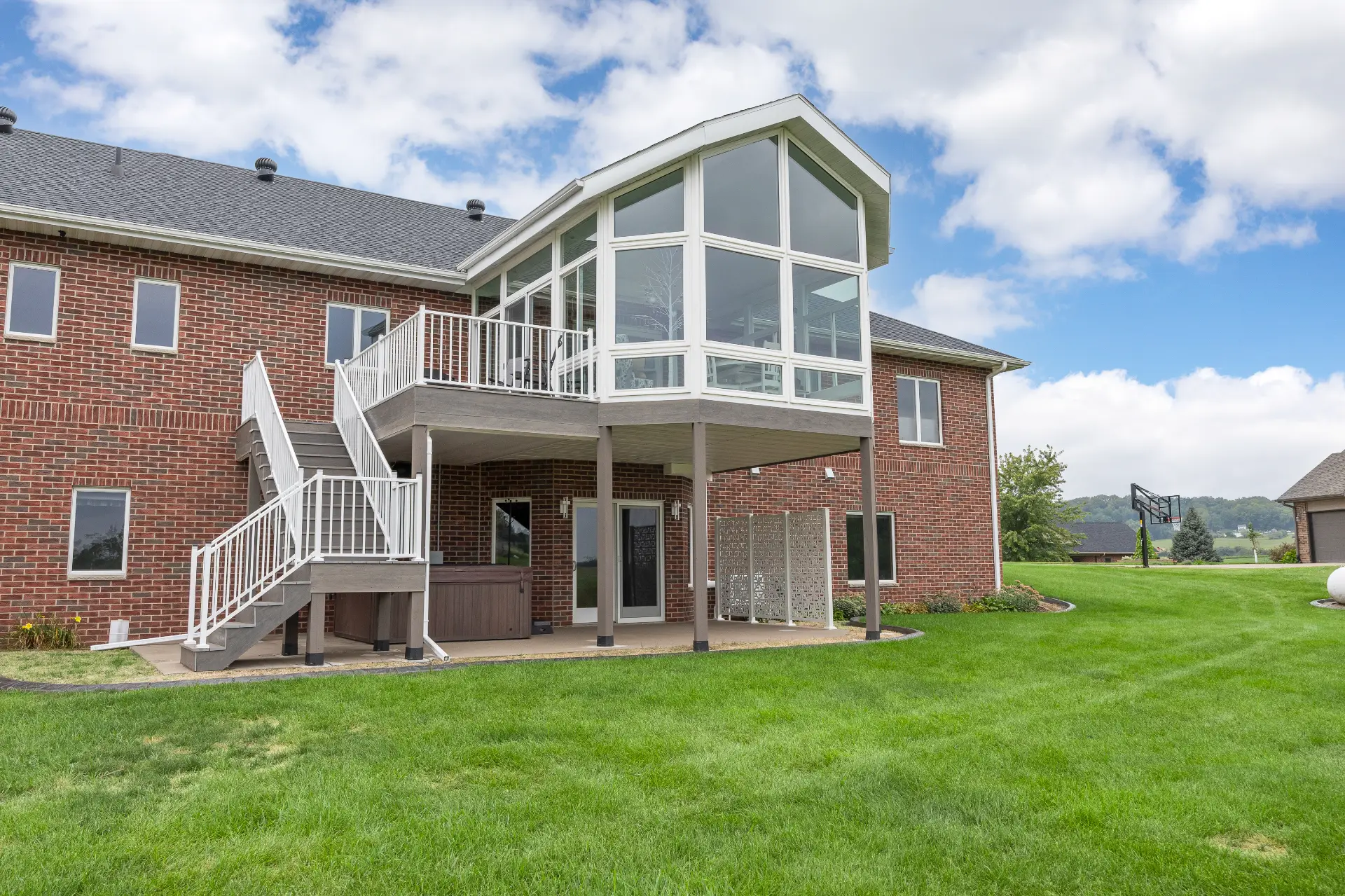
How much does it cost to add a screened-in porch or enclosed deck?
Adding a screened-in porch to an existing deck typically costs between $15,000 and $35,000, while a fully enclosed four-season sunroom addition can range from $30,000 to $80,000 or more, depending on size, materials, and foundation requirements. The bigger the enclosure and the more weather-resistant it needs to be, the more the cost climbs.
This is a question we hear a lot, especially once homeowners realize how much more use they’d get out of their outdoor space if it were protected from bugs, wind, and the elements.
Open Deck vs. Screened Porch vs. Four-Season Sunroom: Understanding the Cost Tiers
These three options exist on a spectrum, and understanding the difference helps set realistic expectations.
An open deck is the most affordable option. It’s exposed to the elements and usable primarily during mild weather.
A screened-in porch adds walls and screening to create a protected outdoor space and usually requires additional foundation work compared to a deck to support the weight of the walls and roof. You can enjoy fresh air and natural light without the bugs and wind, but a screened porch is still a three-season space in Iowa. It’s not insulated or heated.
A four-season sunroom is a fully framed, insulated, and weatherproofed living space. It requires engineered footings, proper framing, windows, and a roofing system. The cost is significantly higher, but so is the usability. A well-built sunroom becomes a year-round room you use every single day.
Why Most Decks Can’t Simply Be Converted
One of the most common misconceptions we encounter is that adding a screened porch or sunroom is as simple as putting walls and a roof over an existing deck. In reality, a standard deck is designed for open-air, seasonal use. It’s not engineered to support the continuous year-round weight of walls, windows, roofing, and snow loads.
For a sunroom especially, converting an existing deck often means removing that deck entirely and installing properly engineered, frost-protected footings before building the new structure. That adds to the project scope and cost, but it’s what ensures the space remains safe and structurally sound through decades of Eastern Iowa winters.
If you’re curious about taking a screened porch even further into a fully livable space, our article on why homeowners convert screened-in porches to sunrooms walks through the benefits in detail.
StraightTALK Remodeling Tip
If you’re already investing in a screened porch or sunroom addition, don’t let the foundation question catch you off guard. Ask your contractor up front whether the existing deck can support the new structure or if new footings will be required. Understanding that early keeps the project on budget and on schedule.
Does adding a deck increase your home’s value in Eastern Iowa?
Yes, adding or upgrading a deck does increase home value, though the return on investment varies depending on the materials used, the quality of the build, and local market conditions. According to the 2025 Cost vs. Value Report from JLC, exterior home improvement projects consistently outperform larger interior remodels in resale ROI, and outdoor living additions are among the projects buyers notice most.
What the Data Says
The 2025 Cost vs. Value Report confirms a pattern that has held steady for years: exterior projects deliver stronger returns at resale than most interior renovations. The report notes that real estate professionals place significant value on curb appeal and usable outdoor living space when establishing a home’s selling price.
Wood vs. Composite From a Resale Standpoint
Material choice matters when it comes to resale value. A deck built with composite or cellular PVC materials typically retains its appearance longer and requires less upkeep, which buyers and appraisers notice. A weathered, cracked wood deck that needs immediate work can actually detract from a home’s value rather than add to it.
A well-maintained or recently upgraded deck built with quality materials sends a clear message to buyers: this home has been well cared for.
Living Value vs. Resale Value
At Hometown Restyling, we always ask homeowners to prioritize living value over resale value. The Cost vs. Value report measures what a project adds to a home’s sale price, but that’s only one dimension of return. The years of enjoyment you get from a quality outdoor space, the summer evenings, the entertaining, the quiet mornings with coffee, those add up too. For homeowners who plan to stay in their homes long-term, that living value often matters more than the resale value.
If you’re thinking about outdoor upgrades as part of a broader home investment strategy, our article on top home projects to increase your home’s value covers several projects worth considering alongside a deck upgrade.
StraightTALK Remodeling Tip
If resale is a consideration, choose materials and a build quality that will still look good five to ten years from now. A composite or PVC deck that holds its appearance over time will serve you better at resale than a wood deck that needs work before you list.
What factors drive deck costs up or down the most?
The biggest cost drivers for a deck project are size, material choice, elevation above ground, stairs and railings, site conditions, and the quality of the contractor and the warranty behind the work. Understanding these factors helps you evaluate quotes more accurately and make smarter decisions about where to invest.
Size and Square Footage
This one is straightforward: larger decks cost more. But it’s worth thinking strategically about size. A well-designed, right-sized deck that fits how you actually use your outdoor space is a better investment than a large deck you don’t fully utilize. During your consultation, a good contractor will help you think through how you’ll use the space, not just how big you can go.
Material Choice
As covered earlier, materials are one of the most significant cost variables in any deck project. Pressure-treated wood costs less upfront. Composite and cellular PVC cost more upfront but deliver better long-term value. The material decision you make today will affect your maintenance costs, your deck’s appearance, and your enjoyment of the space for the next 20 to 30 years.
Elevation and Height Off the Ground
A ground-level or low-elevation deck is simpler and less expensive to build. As elevation increases, so does structural complexity. Higher decks require more substantial framing, longer support posts, and sometimes additional engineering to meet code requirements. If your home has a raised foundation or a walk-out lower level, expect elevation to be a meaningful line item in your project cost.
Stairs and Railings
Stairs and railings add both cost and value. Code-compliant railings are required at certain heights, and the material and style you choose can vary significantly in price. Aluminum and composite railing systems tend to cost more than basic wood but require far less maintenance and hold their appearance much longer.
Permits and Site Conditions
Most deck projects require a building permit in Eastern Iowa communities, and permit costs are a standard part of any project budget. Site conditions matter too. Difficult access, sloped terrain, poor soil conditions, or proximity to underground utilities can all affect labor time and project cost.
Contractor Quality and Warranty
Two quotes for the same deck can look very different depending on what’s behind them. A contractor who uses quality materials, employs skilled installers, stands behind their work with a real warranty, and has a proven track record in your community is worth the investment. At Hometown Restyling, we back our deck installations with a lifetime workmanship warranty because we believe in the work we do and the products we install.
For more ideas on getting the most out of your outdoor investment once your deck is complete, take a look at our article on 5 ways to make the most of your deck this summer.
StraightTALK Remodeling Tip
When you’re reviewing deck quotes, look beyond the total number. Ask what materials are specified, what the warranty covers, and what the contractor’s process looks like from start to finish. A lower bid that cuts corners on materials or installation will cost you more in the long run.
StraightTALK Wrap-Up
Deck costs in Eastern Iowa range widely, and for good reason. Size, materials, elevation, structural needs, and the quality of the contractor behind the project all shape the final number. There’s no universal answer, but there is the right answer for your home, your budget, and how you want to use your outdoor space.
The most important takeaway from this is that the cheapest option upfront is rarely the most affordable over time. A deck built with quality materials and installed by a contractor who stands behind their work will serve you better for decades than one that looks good on paper but starts showing problems within a few seasons.
At Hometown Restyling, we’ve been helping Eastern Iowa homeowners build and upgrade outdoor spaces since 1986. Whether you’re starting from scratch, resurfacing an aging deck, or thinking about adding a screened porch or sunroom, our team is here to guide you through the options and help you make a decision you’ll feel confident about.
Request a free quote today, and let’s talk about what’s possible for your home.