

Most homeowners don’t think much about their exterior doors until one starts causing problems, or until they pull into the driveway and realize the front door is the most tired-looking thing on the house.
Then the questions start coming. Steel or fiberglass? Which one holds up better through an Iowa winter? Can you paint it the color you actually want? And is it even worth replacing, or can you get by with a repair?
At Hometown Restyling, we get these questions every week from homeowners across Cedar Rapids, Iowa City, Marion, North Liberty, and the rest of the Corridor. So in this week’s StraightTALK, we’re giving you straight answers.
We’ll walk through the different types of exterior doors, the real differences between steel and fiberglass, which one costs more and why, whether you can custom-paint either material, and how to know when it’s time to repair versus replace. By the end, you’ll know exactly what to look for in a door built to handle everything Eastern Iowa throws at it.
What are the different types of exterior doors?
The main types of exterior doors are entry (front) doors, patio doors, French doors, and storm doors. Entry doors are your home’s primary secured entrance, patio and French doors connect indoor and outdoor living spaces, and storm doors add a protective outer layer. Many homes use more than one.
Before you get into materials, it helps to know what job each door is actually doing. Here’s how the main categories break down.
Entry (Front) Doors
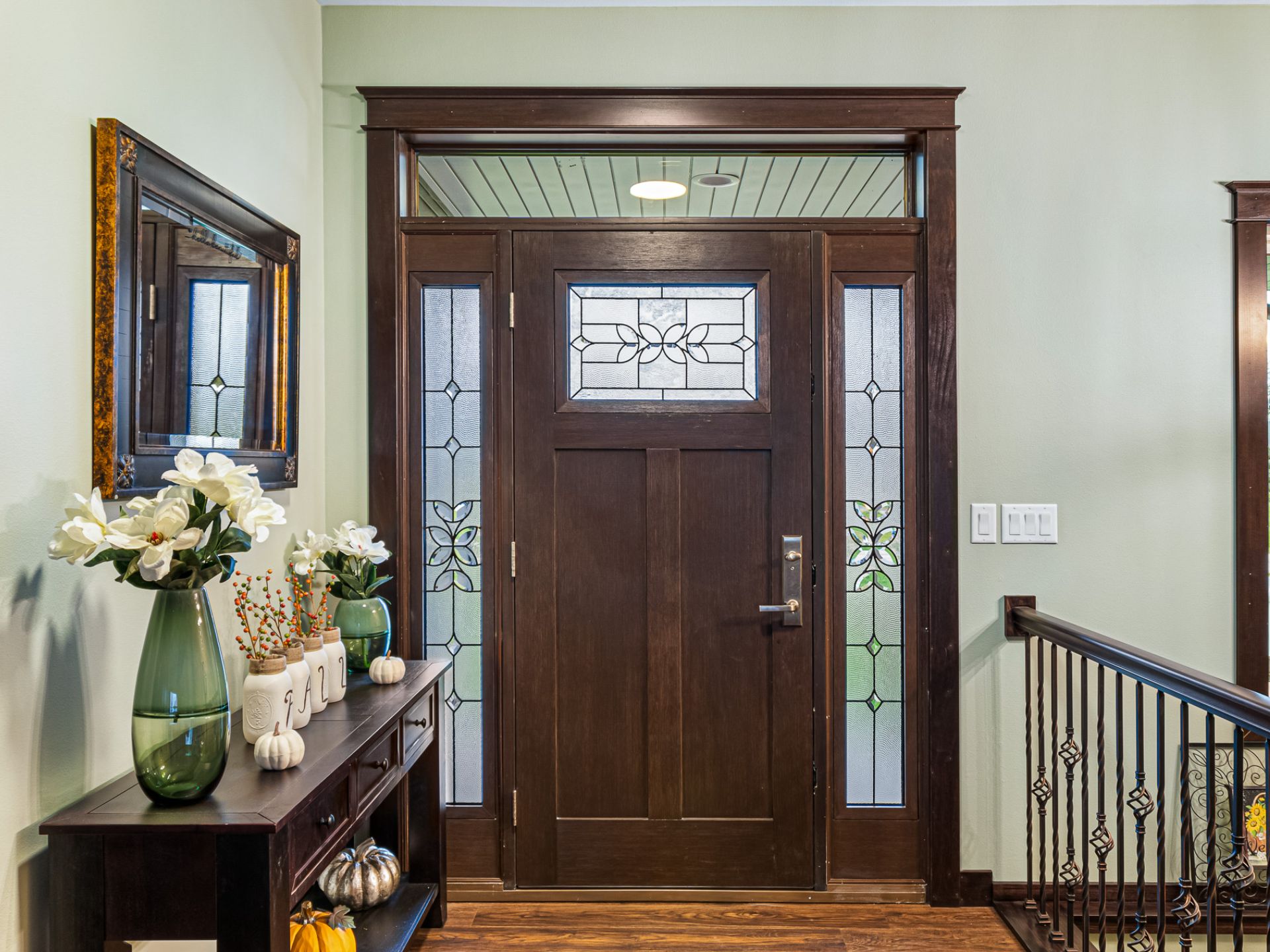
Your entry door is the workhorse of the group. It’s your home’s primary secured entrance, the first thing guests notice, and one of the biggest factors in how energy-efficient and secure your home feels day to day. Entry doors are most commonly built from steel, fiberglass, or wood, which are the three materials we compare in detail throughout this guide.
Entry doors are also where you’ll see add-ons like sidelights and transoms, which bring more natural light into your foyer.
StraightTALK Definitions
- Sidelights: The narrow vertical windows installed on one or both sides of a door to add light and a more open feel.
- Transom: A window panel installed directly above the door for the same reason. It can be rectangular or an arched, decorative shape.
Patio Doors
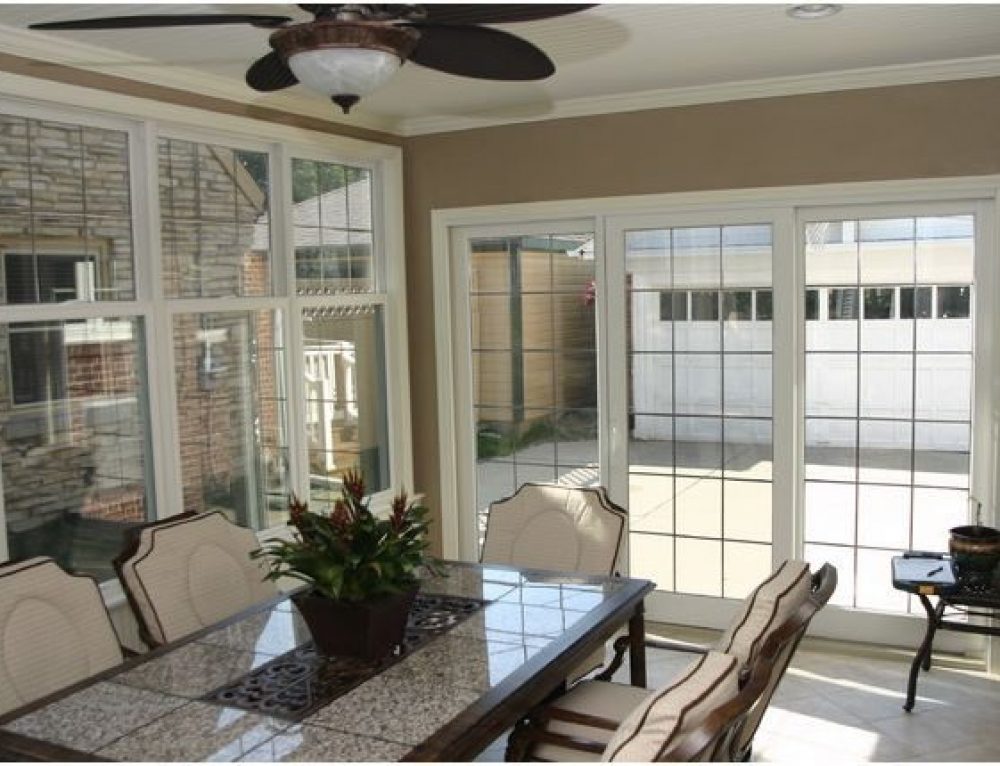
Patio doors connect your living space to a deck, patio, or backyard. The two most common styles are sliding patio doors, which glide horizontally on a track, and French patio doors, which swing open on hinges. Because patio doors are a topic all their own, with their own sizing, glass, and cost considerations, we cover them separately in our guide to Patio Doors: Types, Costs, Sizes & How to Choose the Best Option for Your Home.
French Doors
French doors swing open on hinges and create a wide, elegant opening with a more traditional look. You can use them as a patio door or to divide interior spaces. Like patio doors, they carry their own set of considerations, so you’ll find more on French doors in the patio door guide linked above.
Storm Doors
A storm door is an additional outer door installed in front of your entry door. It adds a layer of protection against Iowa’s wind, rain, and snow, improves energy efficiency, and can provide ventilation through a built-in screen in the warmer months. Storm doors aren’t always necessary with today’s well-insulated entry doors. Still, many homeowners choose a full-view storm door specifically to show off a beautiful new front door while keeping bugs and debris out.
StraightTALK Remodeling Tip
When homeowners tell us they want to “replace the door,” we always ask which one and what it needs to do. A front entry, a walkout to the deck, and a storm door are three different projects with three different answers. Getting clear on the job first makes every decision after it easier.
What’s the difference between steel doors and fiberglass doors?
The difference is that steel doors are stronger against forced entry and more budget-friendly, but they can dent and need their finish maintained to avoid rust. While, fiberglass doors resist dents, rot, and rust, handle temperature swings without warping, and can be made to mimic real wood grain, but they usually cost more. Both of these options insulate better than solid wood.
For entry doors, the steel-versus-fiberglass decision usually comes down to five factors. Here’s how they stack up.
Durability and Weather Resistance
This is where fiberglass tends to shine. Fiberglass doors won’t dent, rust, or warp, and they hold up well to the freeze-thaw cycles and strong sun that come with living in Eastern Iowa. That makes them a particularly good match for south- and west-facing entries that take the brunt of the afternoon sun.
Steel is an incredibly durable material with just a couple of things to watch for. While it can dent from hail, a rogue baseball, or a busy moving day, any scratches down to the metal are easy to manage with a little touch-up to prevent rust. This highlights the importance of maintaining that beautiful finish. Overall, steel is a fantastic choice, and with a little care, it will serve you wonderfully for years to come.
Security
Steel has a well-earned reputation for security and strength against forced entry. At Hometown Restyling, our steel entry doors are built with steel on all six sides for added strength. Fiberglass doors are also plenty secure, especially when paired with quality hardware. Either material can be reinforced with a multi-point locking system for extra peace of mind.
StraightTALK Definitions
- Composite frame: A door frame made from a blend of materials, such as wood fiber and polymers, engineered to resist moisture, rot, and warping better than solid wood.
- Multi-point locking system: A lock that secures the door at several points along the frame when engaged, rather than relying on a single deadbolt.
Appearance
Fiberglass is an excellent choice for Eastern Iowa homeowners seeking the beautiful appearance of real wood without the maintenance. Its rich wood-grain texture can be stained to wonderfully resemble timber, making it a popular alternative. On the other hand, steel has a sleek surface that takes paint exceptionally well, perfect for a contemporary style. Both options offer great benefits for your home.
Insulation and Energy Efficiency
Here the two materials are close, and both leave solid wood in the dust. Steel and fiberglass entry doors are typically built around insulating foam cores, so they hold conditioned air inside far better than a traditional wood door. That has an impact in a climate where you’re fighting to keep the heat in during January and out during July. For more on how doors and windows affect your energy bills, see Beat the Heat: Energy-Efficient Siding, Doors, and Windows in Eastern Iowa.
What About Wood Doors?
Wood is the third exterior door material, and it’s still chosen for its timeless, classic beauty, especially on historic homes. The trade-off is maintenance. Wood needs regular sealing or refinishing and is more vulnerable to Iowa’s humidity and freeze-thaw swings than steel or fiberglass. We go deeper on wood as a material in What Really Matters When Choosing Quality Windows and Doors.
StraightTALK Remodeling Tip
There’s no universally “best” material, but there is a best material for your door’s location. For a shaded, protected entry where you love the look of wood, fiberglass with a wood-grain stain gets you the look with none of the upkeep. For a full-sun front door that takes a beating, fiberglass is often the most forgiving long-term choice.
What’s more expensive, steel doors or fiberglass doors?
Steel doors are generally the more affordable option, while fiberglass doors cost more upfront. Steel offers strong value for budget-focused projects, and fiberglass commands a premium for its dent resistance, wood-grain looks, and long-term durability. Final pricing depends on size, glass, hardware, and whether you keep or replace the existing frame.
If budget is driving your decision, the general rule is: steel costs less, fiberglass costs more. But understanding the “why” behind that gap is more important, because it tells you what you’re actually paying for.
Why Steel Costs Less
Steel is the more economical material to manufacture, making it the go-to choice for homeowners who want a durable, secure, energy-efficient door without a premium price tag. Actual pricing in the Cedar Rapids and Iowa City area will vary based on your specific door, glass, and hardware.
Why Fiberglass Costs More
Fiberglass costs more because you’re paying for the material’s advantages: dent resistance, a convincing wood-grain finish, and a long service life with minimal maintenance. For many homeowners who plan to stay in their home for years, that upfront premium pays off in fewer headaches down the road.
What Actually Drives the Price of Your Entry Door
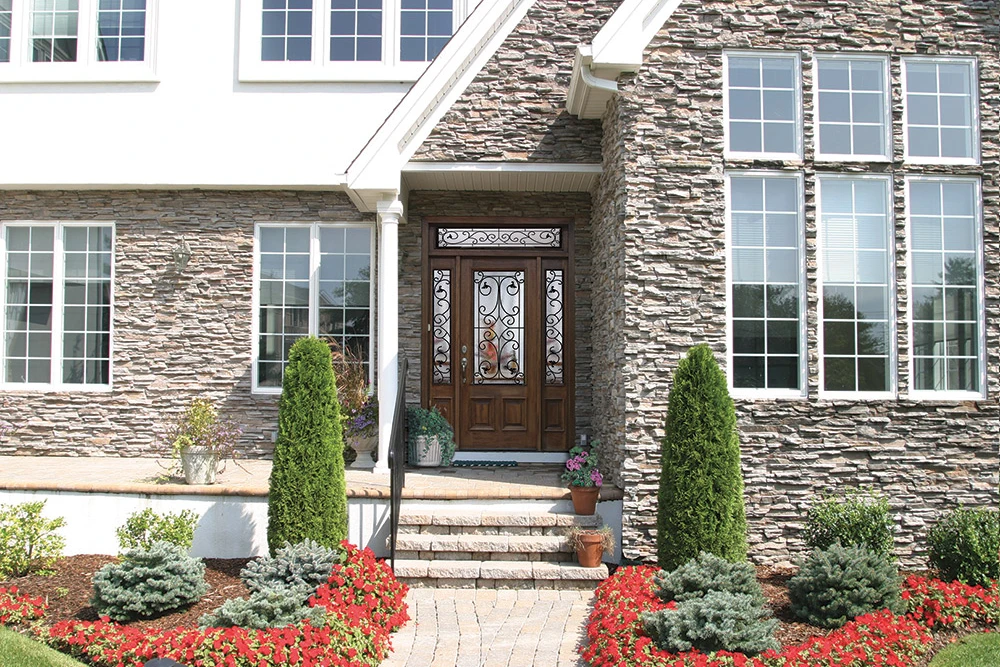
Material is only one piece of the quote. The factors that often move the number the most include:
- Glass packages: Decorative or insulated glass, sidelights, and transoms add cost quickly.
- Size and configuration: A single door costs less than a door with two sidelights and a transom.
- Hardware: Handle sets, locks, and finishes range from basic to designer.
- Frame approach: Slipping a new door into your existing frame can cost less than a full-frame replacement, though it isn’t always the right call (more on that below).
StraightTALK Remodeling Tip
If two quotes for similar-looking doors have a big price gap, ask why before you assume one is a rip-off. The difference usually comes down to frame material, weatherstripping quality, hardware, and glass, and those are exactly the things that determine how the door performs ten winters from now.
A door’s long-term performance is determined as much by installation quality as by material quality. Trusting your installer could mean the difference between drafts, sealed edges, and a tight lock.
Can you custom-paint a steel or fiberglass door?
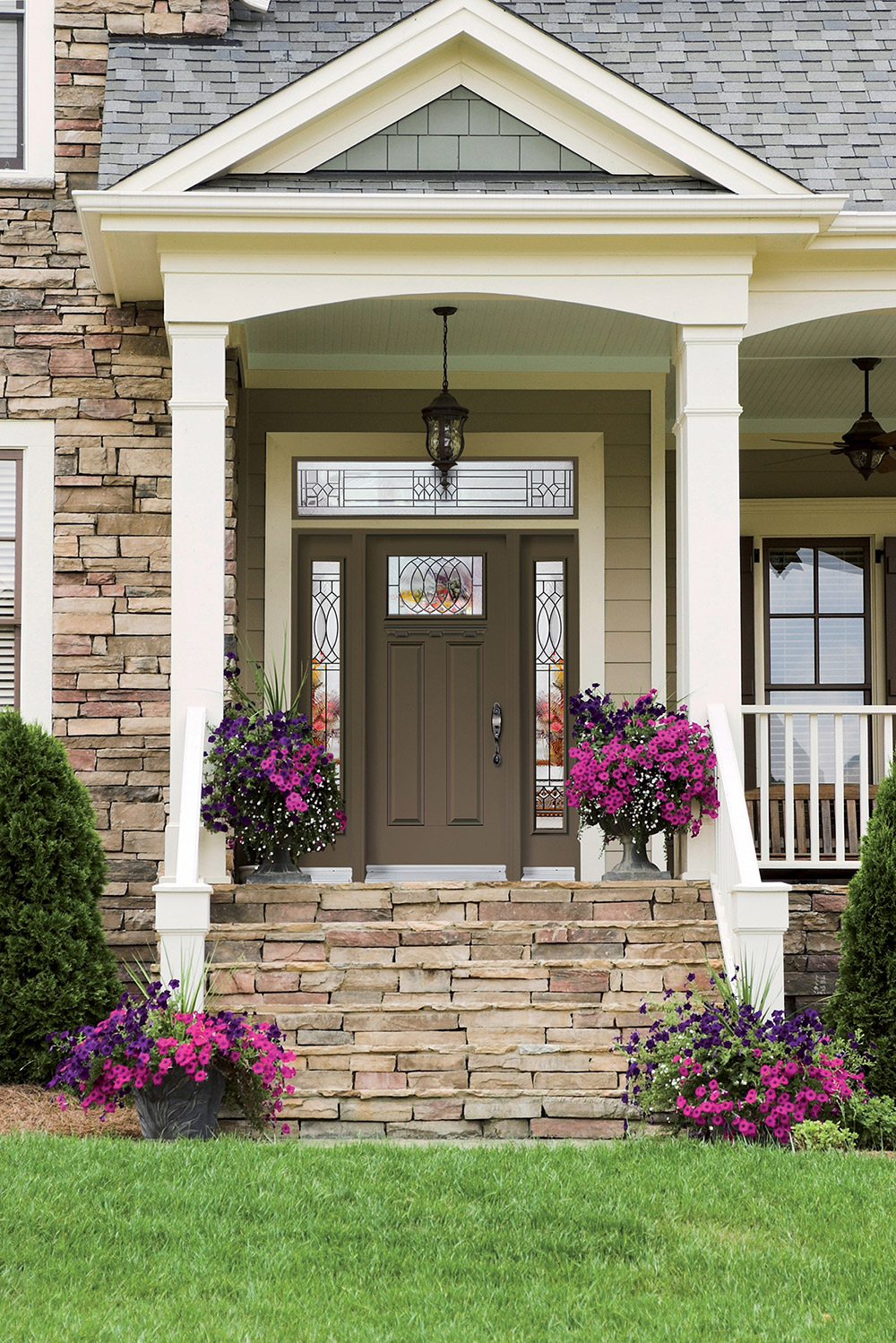
Yes. Both steel and fiberglass doors can be finished in custom colors. Many come factory-finished in a wide range of standard colors with custom color matching available, and fiberglass doors can also be stained to look like real wood. You can repaint or refinish either material later with the right preparation and products.
Good news for anyone with a specific color in mind: you are not stuck with a handful of boring options. Between factory finishes and field painting, you have a lot of room to make the door your own.
Factory Finishes vs. Field Painting Your Door
A factory finish is applied and cured at the manufacturing facility, which makes it more durable and uniform than paint applied on site. At Hometown Restyling, our steel doors come in 16 standard paint colors with custom color matching available, producing more than 200 interior and exterior combinations. Our fiberglass doors come in 16 standard paint colors plus 9 wood-grain stains, and we can custom match a finish for those as well.
StraightTALK Definitions
- Factory finish: A color or stain applied and baked on at the factory, typically more durable and consistent than paint applied by hand at home.
- Gel stain: A thick, wipe-on stain that sits on the surface of a door. It’s commonly used to give fiberglass a rich, wood-grain appearance.
Painting a Steel Door
Steel is an excellent canvas for exterior-grade paint. With proper preparation (cleaning the surface, using a suitable primer, and choosing high-quality exterior paint designed for metal) you can achieve a beautiful and durable finish. Protecting your steel door from scratches not only enhances its appearance but also ensures it stays looking great for years.
Staining or Painting a Fiberglass Door
Fiberglass offers you some great options. Choose a beautiful wood-grain textured door and enhance it with a gel stain, available in lovely shades from light oak to rich espresso, creating the warmth of real timber. Alternatively, you can paint a sleek fiberglass door in your favorite color. Whichever you choose, you’ll enjoy a stunning finish that lasts, without the hassle of frequent resealing and maintenance required by traditional wood doors.
Can You Repaint the Door Later?
Yes. Both materials can be repainted or refinished down the road with proper prep, so if your taste changes or the finish fades after years of Iowa sun, you won’t be locked into your original color forever.
StraightTALK Remodeling Tip
Bold, deep colors like navy, black, and rich red are popular front-door choices, and they look fantastic. Just know that dark colors on a full-sun, south- or west-facing entry absorb more heat, which can be tough on any finish over time. If that’s your situation, ask us about finishes and tones built to handle the heat.
How do I know if I should repair vs. replace my exterior door?
Repair your exterior door when the problem is minor and isolated, like worn weatherstripping, a loose hinge, or a sticky lock. Replace it when you see frame rot, water damage, persistent drafts, warping, or a door that’s old and worn. If the core or frame is compromised, door replacement is the better long-term solution.
The trick is knowing which issues are quick fixes and which ones mean your door is done.
When a Door Repair Makes Sense
Some issues are genuinely minor. Worn weatherstripping, a loose hinge, a sticking lock, or a door that’s fallen slightly out of alignment can often be repaired or adjusted. Home settling is a common culprit in older Eastern Iowa homes, where shifting soil moves door jambs and frames over time. That’s worth having a professional look at your door to help you decide your next move.
When Replacing Your Door Is the Better Call
Replacement becomes the best move when the problems run deeper: frame rot or water damage, warping, drafts that persist even after adjustments, security concerns, or a door that’s reached the end of its natural life after a couple of decades of use. For a full walkthrough of the warning signs, see our guide on How to Know When to Replace Your Doors. When the frame or core is compromised, patching it is usually throwing good money after bad.
StraightTALK Definitions
- Retrofit (replacement) entry system: A new door built to slip into your existing frame, which can be a faster, less invasive option when the frame is solid.
- Full-frame replacement: Replacing the door and the frame together, which gives us access to fix any hidden rot or water damage properly.
Entry Door Curb Appeal and Cost-to-Value
If you’re on the fence, the resale math can tip the decision. A new front door is consistently one of the highest-return home improvement projects in the country, which makes “replace” an easier call if you’re thinking of moving in the next 5-10 years.
According to the 2025 Cost vs. Value Report, a steel entry door replacement recouped over 200% of its cost at resale nationally. That ranked it second among all 28 projects the report tracked, behind only garage door replacement. For the full story on how your front door drives curb appeal and daily enjoyment, not just resale, see Curb Appeal: Your Eastern Iowa Home’s First Impression.
StraightTALK Remodeling Tip
If your budget is tight and you want the single highest-impact, most cost-effective upgrade available, start with the front door. Few projects deliver as much visual transformation and return per dollar spent.
StraightTALK Wrap-Up
Choosing an exterior door comes down to matching the right material to the right spot on your home. Steel gives you strength, security, and value. Fiberglass gives you dent resistance, a convincing wood-grain look, and long-term, low-maintenance durability. Both outperform solid wood on insulation, and both can be finished in the color or the wood tone you’ve been picturing.
And when you’re weighing a repair against a replacement, remember that a new front door is one of the simplest, highest-return upgrades you can make, whether you’re planning to sell or simply want to enjoy your home a little more every time you pull into the driveway.
If you’re ready to talk through the best door for your Cedar Rapids, Iowa City, Marion, Waterloo, or Quad Cities home, the team at Hometown Restyling is here to help. Reach out for a free quote, and we’ll help you find a door built to look great and hold up to whatever Eastern Iowa has in store.
1. What are the different types of exterior doors?
The main types of exterior doors are entry (front) doors, patio doors, French doors, and storm doors. Entry doors are your home’s primary secured entrance, patio and French doors connect indoor and outdoor living spaces, and storm doors add a protective outer layer. Many homes use more than one.
2. What’s the difference between steel doors and fiberglass doors?
The difference is that steel doors are stronger against forced entry and more budget-friendly, but they can dent and need their finish maintained to avoid rust. While, fiberglass doors resist dents, rot, and rust, handle temperature swings without warping, and can be made to mimic real wood grain, but they usually cost more. Both of these options insulate better than solid wood.
3. What’s more expensive, steel doors or fiberglass doors?
Steel doors are generally the more affordable option, while fiberglass doors cost more upfront. Steel offers strong value for budget-focused projects, and fiberglass commands a premium for its dent resistance, wood-grain looks, and long-term durability. Final pricing depends on size, glass, hardware, and whether you keep or replace the existing frame.
4. Can you custom-paint a steel or fiberglass door?
Yes. Both steel and fiberglass doors can be finished in custom colors. Many come factory-finished in a wide range of standard colors with custom color matching available, and fiberglass doors can also be stained to look like real wood. You can repaint or refinish either material later with the right preparation and products.
5. How do I know if I should repair vs. replace my exterior door?
Repair your exterior door when the problem is minor and isolated, like worn weatherstripping, a loose hinge, or a sticky lock. Replace it when you see frame rot, water damage, persistent drafts, warping, or a door that’s old and worn. If the core or frame is compromised, door replacement is the better long-term solution.