

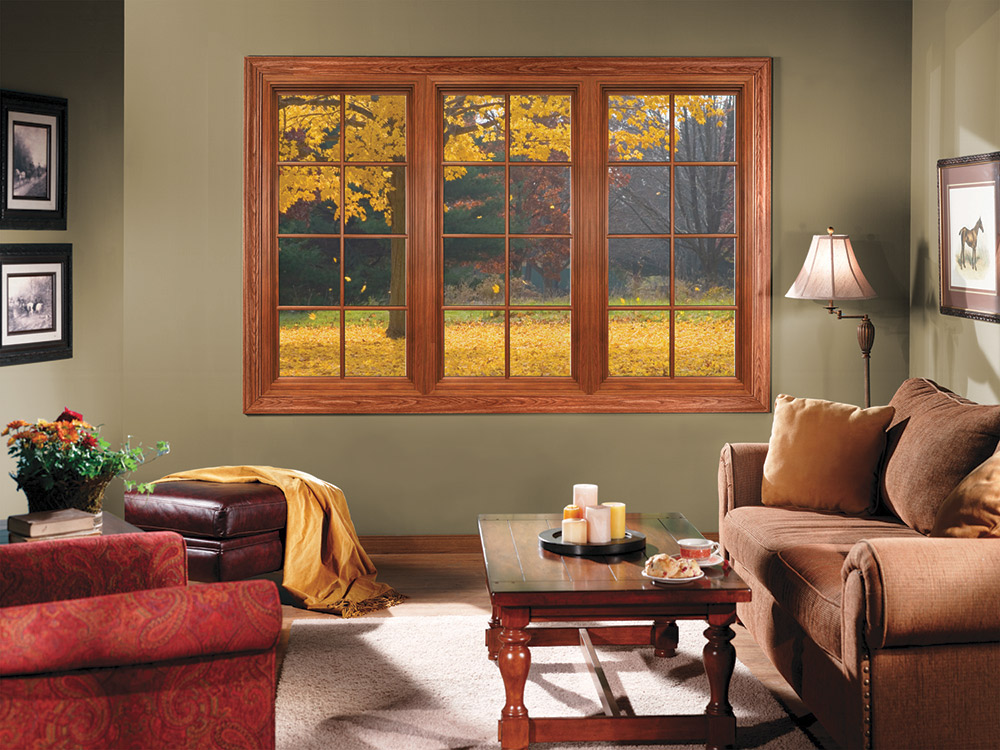
Most homeowners spend a lot of time thinking about how well a window performs, and rightly so. But once the talk about energy efficiency and installation is out of the way, a second set of questions almost always comes up: How is this going to look?
That is where things get personal. The style of your windows shapes the character of every room they sit in and the whole face of your home from the street. And the choices are not always obvious. Do you have to buy wood to get a wood look? Can you still get those classic grid patterns? Are the windows tinted, and if so, will that darken the room? Why does one window frame look chunky while another looks slim?
At Hometown Restyling, we hear these style questions every week from homeowners across Cedar Rapids, Iowa City, Marion, North Liberty, Coralville, Waterloo, Cedar Falls, and the Quad Cities. In this week’s StraightTALK, we are giving you honest answers to five of the most common questions we get about window and glass style, and helping you decide what fits your home.
Do you install wood windows?
No, Hometown Restyling does not install wood windows, because wood rots, expands and contracts, and requires ongoing maintenance. Instead, we install low-maintenance vinyl windows with a woodgrain look. We can match that finish to your existing interior wood trim, reinstall your original casing after installation, and protect exterior wood trim with custom aluminum capping.
This is a common question we get. When people picture a beautiful window, they often picture wood. It has a warmth and a history that is hard to argue with.
The challenge is not the way wood looks. It is the way wood behaves over time, especially here. Wood windows rot. They expand and contract through hot and cold cycles, and they are simply not built to last the way modern materials are. On top of that, they carry ongoing maintenance, like varnishing or staining, that most homeowners would rather skip. For those reasons, we do not install wood windows.
Why We Focus on Vinyl and Vinyl Reinforced With Fiberglass
Eastern Iowa is tough on building materials. Our winters are cold and windy, our summers are humid, and the freeze-thaw cycles in between put stress on everything on the outside of your home. Wood windows, left exposed, need regular sealing, staining, or painting to hold up. Skip that upkeep, and wood can swell, warp, rot, or crack.
Vinyl and fiberglass-reinforced vinyl sidestep most of that. They don’t need to be painted or stained, resist moisture, and hold their shape through temperature swings. As a Sunrise vinyl window dealer, we lean toward products that give homeowners long-term comfort with very little maintenance. Instead of a wood window, we offer vinyl windows with a woodgrain look that captures wood’s warmth without the upkeep. For a deeper breakdown of how vinyl, fiberglass, and wood stack up, we walk through the trade-offs in detail in What Really Matters When Choosing Quality Windows and Doors.
What About the Wood Trim Around My Windows?
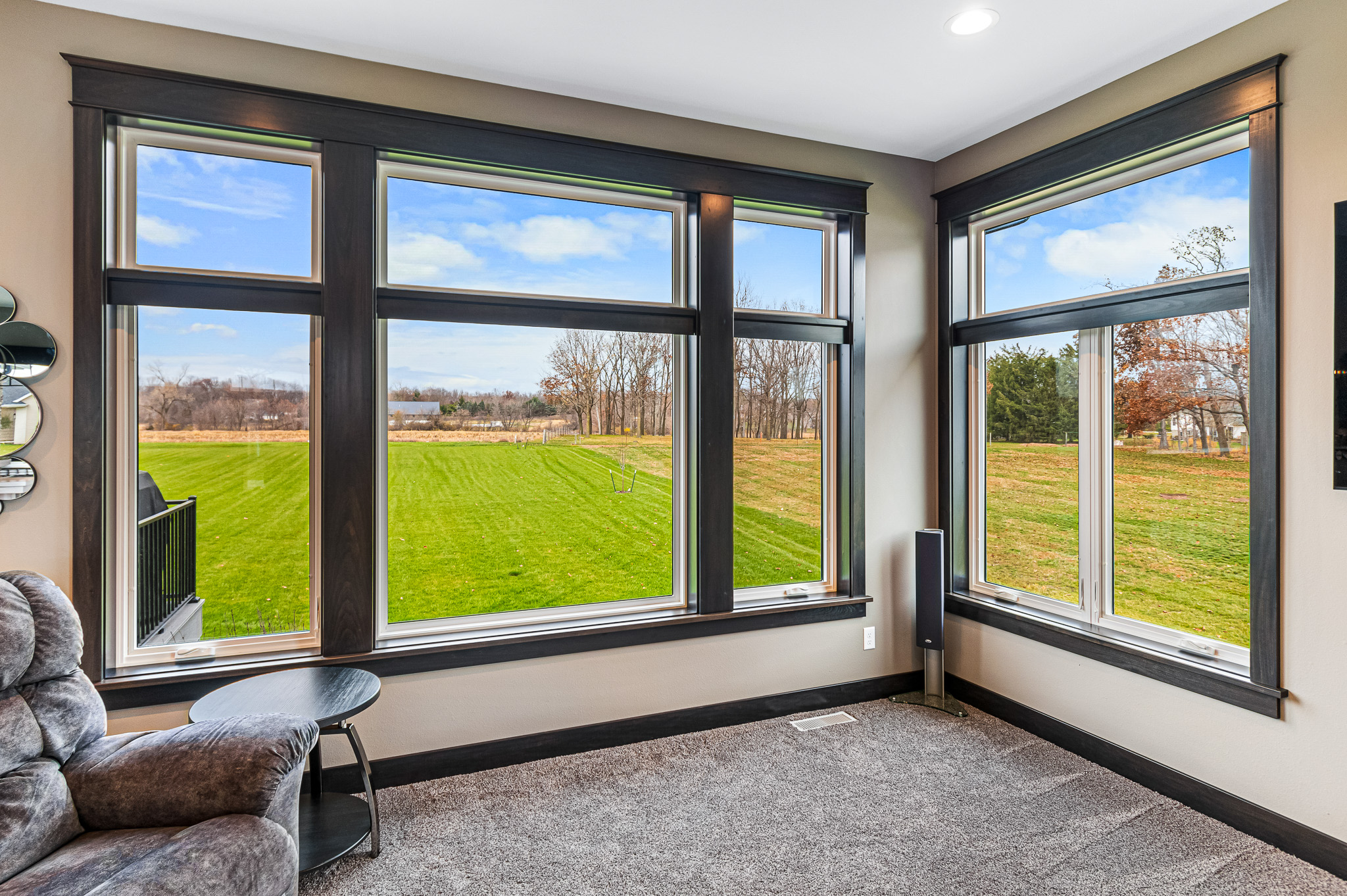
When homeowners ask about “wood windows,” they are often really asking about the wood trim they can see, especially the interior casing that frames the window on the inside of the house. This is where a lot of the character in an older home lives, and we handle it carefully.
When we come out to your home, we bring woodgrain samples and hold them right up against your existing trim so you can see how closely we can match it. From there, you have options. Many homeowners, especially those who have lived with beautiful older trim for decades, want to keep it. In those cases, we can carefully remove the existing casing piece by piece, set it aside, take out the old window, install and seal the new one, and then tack your original trim back up around it. If you would rather freshen things up, we can install new interior casing instead. The choice is yours.
How We Protect the Exterior Wood: Window Capping
There is wood on the outside of most windows too, in the exterior trim that surrounds the frame, and that wood is exposed to the full force of Iowa weather. To protect it, we do window capping on all of our window installations.
Window capping means we take aluminum, custom-bend it to fit, and wrap that exterior trim so the wood underneath is covered and sealed. It does two things. First, it looks cleaner and dressier, giving the outside of your window a crisp, finished appearance. Second, and just as important, it protects the wood underneath from moisture and rot, so you won’t have to repaint or replace exterior trim down the road. This small detail makes a real difference in how long everything holds up.
Does a woodgrain vinyl window match real wood interior very well?
A quality woodgrain vinyl window can closely resemble stained wood, especially in warm interior tones, and most homeowners are pleasantly surprised by how convincing the finish looks. It will not be identical to natural wood grain up close, but it captures the color, warmth, and character of wood without the maintenance real wood requires.
How Close Is the Window Finish Match?
Modern woodgrain finishes are printed and textured to imitate the tone and grain pattern of real wood. From across a room, and even from a few feet away, a good woodgrain interior reads as wood to most people. The color depth and the subtle grain lines do a lot of the work.
Up close, a trained eye may still notice the difference. Real wood has natural irregularities that a manufactured finish reproduces in a repeating pattern rather than randomly. But you gain a finish that will not need to be re-stained, that resists fading better than exposed wood, and that holds up to Iowa humidity without swelling.
Where Woodgrain Window Finishes Shine
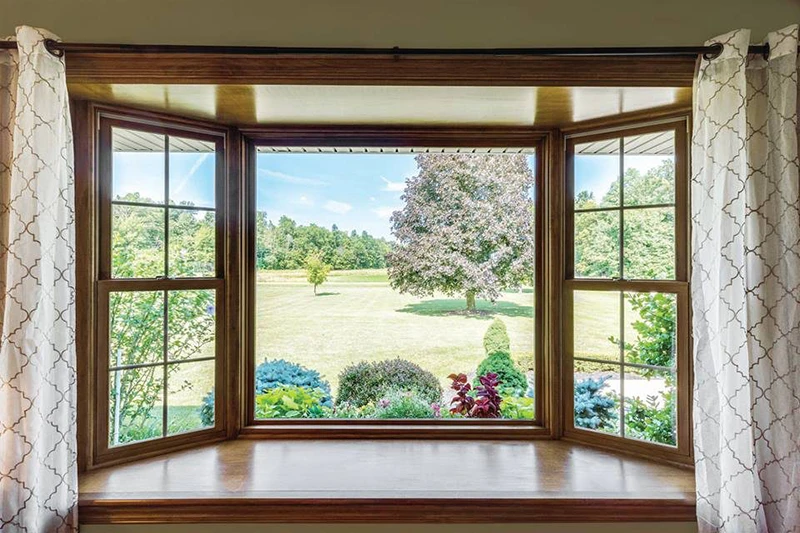
Woodgrain finishes tend to look their best in rooms where wood tones already appear, such as spaces with wood trim, wood floors, cabinetry, or furniture. In those settings, a woodgrain window blends in as a design element rather than standing out as a plastic frame.
Homeowners often choose woodgrain interiors for larger feature windows where the frame is more visible, like bay and bow windows or big picture windows in a living room. Our bay and bow windows offer a range of interior color options so that you can coordinate the finish with the rest of the room.
Matching Your Existing Trim
One question we always encourage homeowners to ask is how the woodgrain finish will sit next to their existing wood trim. A woodgrain vinyl window does not have to match your trim perfectly to look great. In many rooms, a complementary tone looks intentional and polished. If an exact match matters to you, bring a sample or a photo of your trim into the conversation early so we can talk through the closest options.
StraightTALK Remodeling Tip
Look at a woodgrain sample in the actual lighting of the room where the window will go, not just in a showroom. Natural light, wall color, and existing wood tones all change how a finish reads, and seeing it in place is the best way to know you will love it.
Can you get windows with grids?
Yes, replacement windows are available with grids, also called grilles, in a variety of patterns. Grids are the dividers that split a single pane of glass into smaller sections, giving windows a classic, traditional look. They come in several construction styles, from grids sealed between the panes of glass to grids applied to the surface.
A window with no grids looks clean, open, and modern. The same window with grids can look traditional, colonial, craftsman, or cottage, depending on the pattern.
Common Window Pane Grid Patterns
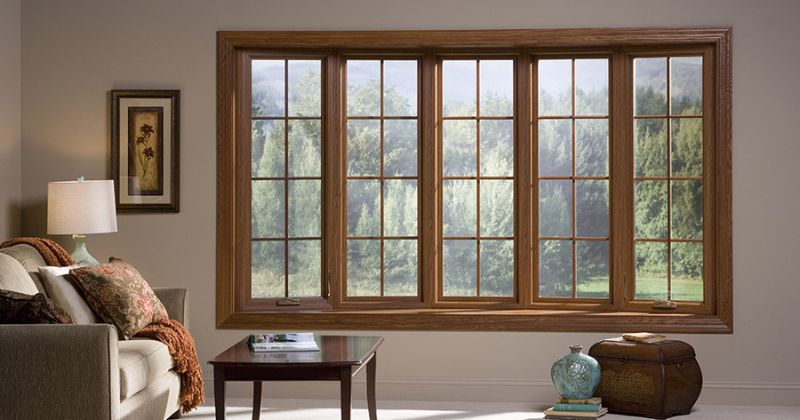
Grid patterns are largely a matter of taste and architectural style. The two we are asked about most often are:
- Colonial grids: an even arrangement of squares or rectangles across the whole window. This is the classic, traditional look most people picture when they think of grids.
- Prairie grids: grids concentrated near the corners and edges, leaving the center of the glass open. This pattern is a favorite for homeowners who want character without covering the whole pane.
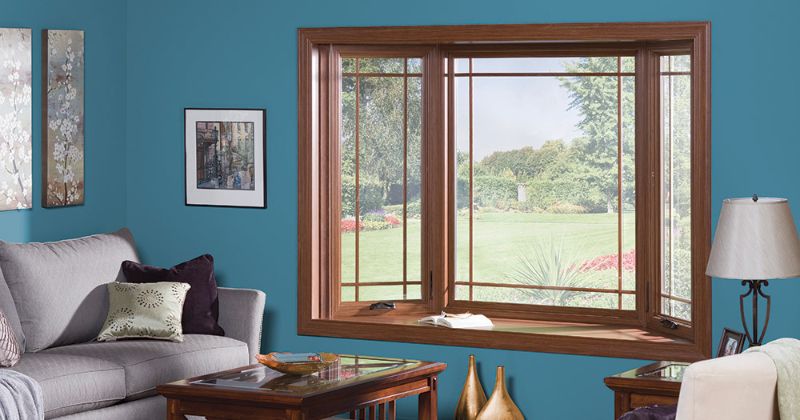
Other patterns, like a diamond lattice, are available for more historic or decorative looks. The right pattern usually comes down to your home’s style and the look of the other windows on the street.
Types of Window Grid Construction
Beyond the pattern, grids differ in how they are built into the window, and this affects both appearance and cleaning:
- Grilles between the glass: the grid sits sealed inside the insulated glass unit, between the panes. Because it is enclosed, the glass surface stays smooth and easy to clean, with no grid lines to wipe around.
- Simulated divided lites: grid bars are applied to the interior and exterior surfaces of the glass, often with a spacer between the panes, to mimic the look of true divided panes while keeping the energy performance of a single sealed unit.
- Removable interior grids: grids that attach to the inside of the window and can be taken off for cleaning or removed entirely if your taste changes.
What are the pros and cons of getting grids in windows?
Grids are almost entirely a style choice, but there are practical trade-offs worth knowing before you decide.
The pros of window grids:
- They add architectural character and can make a plain window look more finished.
- They help new windows match the historic or traditional style of your home and neighborhood.
- You can coordinate patterns across the whole house for a consistent, intentional look.
- Grids between the glass keep that classic look while leaving the glass easy to clean.
The cons of window grids:
- Grids slightly reduce the amount of open, uninterrupted glass, which can matter if you have a great view you want to frame cleanly.
- Surface-applied grids create edges to clean around, though grids between the glass avoid this.
- Styles change, and a grid pattern that feels current now may feel dated later, which is part of why some homeowners choose removable interior grids.
There is no universally right answer here. A modern home with a scenic backyard might look best with no grids at all, while a traditional two-story in an established Cedar Rapids neighborhood might look incomplete without them.
What About Black Window Frames?
Grids are not the only style choice that changes a window’s look. Frame color is another, and black frames have become a popular request for homeowners going for a bold, modern, or farmhouse-inspired look.
Black frames are available, and we are happy to install them. One thing to know up front is that they tend to cost noticeably more than standard white frames, which is why white remains the more common choice. If you want the black-frame look, it is absolutely doable. Just plan for a higher price than white so there are no surprises when you compare quotes.
StraightTALK Remodeling Tip
If you are torn on grids, take a photo of your home’s exterior and mock up both versions before you decide. Grids and frame color are two of the details that most affect curb appeal, so it is worth living with the options side by side for a day or two before committing.
Are replacement windows tinted?
Most replacement windows aren’t tinted like car windows. Instead, quality windows use a nearly invisible Low-E coating that reflects heat and blocks UV rays without noticeably darkening the glass. True darkening tints and privacy glass are separate, optional choices, and they serve very different purposes than a Low-E coating.
This question comes up a lot because homeowners hear that new windows “block the sun” and picture a dark, sunglasses-style tint. That is usually not what is happening, and the distinction matters.
Low-E Coatings Are Not the Same as Tint
The heat-blocking performance in an updated window almost always comes from a Low-emissivity, or Low-E, coating. It is a microscopically thin, nearly invisible layer on the glass that reflects heat and reduces UV exposure. Your room still feels bright, but it does not heat up like a greenhouse in July, and your furniture and floors fade more slowly.
Because Low-E is the workhorse behind most of the energy performance homeowners actually care about, we cover how it works, along with U-Factor, SHGC, and the rest of the ratings, in Energy-Efficient Windows in Eastern Iowa: What Homeowners Need to Know.
When Homeowners Might Actually Want Tinted or Specialty Glass
There are situations where a homeowner genuinely wants glass that looks different, not just glass that performs better:
- Privacy glass, also called obscure or frosted glass, is common in bathrooms, entry sidelights, and any room where you want light without a clear view in or out. This is textured or frosted rather than tinted, and it is a very different product from a heat-reducing coating.
- A darker or reflective tint may appeal to a homeowner facing intense western sun or wanting more daytime privacy. This is more of a specialty request and comes with a trade-off, since it reduces the natural light coming into the room.
Why are some window frames thicker than others?
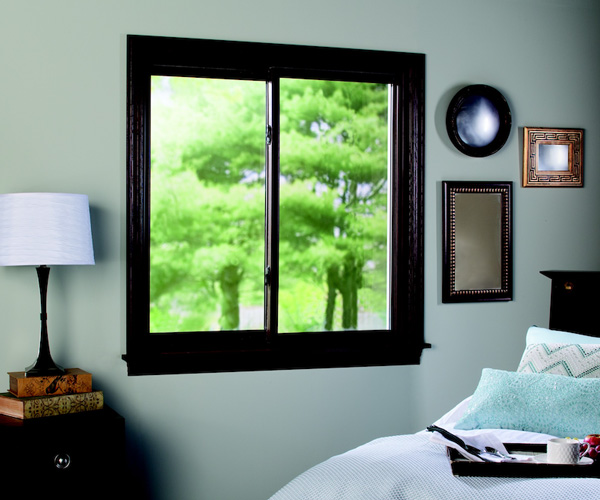
Window frames vary in thickness because of what is inside them and what they have to hold. Frames with more internal chambers, added reinforcement, or a heavier glass package tend to be thicker, while frames engineered for slim sightlines show less material and more glass. Thickness reflects a balance of strength, insulation, and appearance.
More Chambers, Better Insulation
Quality vinyl frames are not solid blocks of material. They are built with multiple internal air chambers. Each pocket of trapped air slows the transfer of heat and cold through the frame, improving insulation and helping reduce drafts. A frame built with more or larger chambers can perform better thermally, and that construction can add to its thickness.
Reinforcement and Structural Strength
Larger windows need extra support to stay square, operate smoothly, and resist sagging over time. Reinforcement inside the frame adds strength, especially for wider units or heavier configurations. That added structure can make a frame thicker, but it is what keeps a big window operating well for the long haul.
The Glass in Your Window
The glass itself influences frame size. A heavier or thicker insulated glass unit, such as one with multiple panes, needs a frame substantial enough to carry and seal it properly. Slimmer frames are often paired with lighter glass packages, while more robust glass may call for a deeper frame.
Sightlines: The Style Side of Frame Thickness
All of this involves an appearance trade-off, and installers and manufacturers talk about it in terms of “sightlines,” which simply means how much frame you see versus how much glass. Some windows are specifically designed with narrow-line profiles to maximize the glass viewing area and let in more light with a cleaner look. Others show more frame. Neither is automatically better. A slim sightline gives you more view and a modern feel, while a more substantial frame can read as solid and traditional. The right balance depends on the window style, the opening size, and the look you want.
StraightTALK Wrap-Up
Window style is where performance meets personality. Once you know your windows will keep your home comfortable and efficient, the fun part begins: choosing how they look and how they fit your home’s character.
The best way to make these decisions is to see your options in person, in the light of your own home. If you are weighing window styles for your home in Cedar Rapids, Iowa City, or anywhere across Eastern Iowa, the team at Hometown Restyling is happy to walk through the choices with you and help you find the right fit.
If you are still deciding whether it’s time to replace your windows, start here: 5 Important Questions to Ask Before Replacing Your Windows.
1. Do you install wood windows?
No, Hometown Restyling does not install wood windows, because wood rots, expands and contracts, and requires ongoing maintenance. Instead, we install low-maintenance vinyl windows with a woodgrain look. We can match that finish to your existing interior wood trim, reinstall your original casing after installation, and protect exterior wood trim with custom aluminum capping.
2. Does a woodgrain vinyl window match real wood interior very well?
A quality woodgrain vinyl window can closely resemble stained wood, especially in warm interior tones, and most homeowners are pleasantly surprised by how convincing the finish looks. It will not be identical to natural wood grain up close, but it captures the color, warmth, and character of wood without the maintenance real wood requires.
3. Can you get windows with grids?
Yes, replacement windows are available with grids, also called grilles, in a variety of patterns. Grids are the dividers that split a single pane of glass into smaller sections, giving windows a classic, traditional look. They come in several construction styles, from grids sealed between the panes of glass to grids applied to the surface.
4. Are replacement windows tinted?
Most replacement windows aren’t tinted like car windows. Instead, quality windows use a nearly invisible Low-E coating that reflects heat and blocks UV rays without noticeably darkening the glass. True darkening tints and privacy glass are separate, optional choices, and they serve very different purposes than a Low-E coating.
5. Why are some window frames thicker than others?
Window frames vary in thickness because of what is inside them and what they have to hold. Frames with more internal chambers, added reinforcement, or a heavier glass package tend to be thicker and more visible, while frames engineered for slim sightlines show less material and more glass. Thickness reflects a balance of strength, insulation, and appearance.