

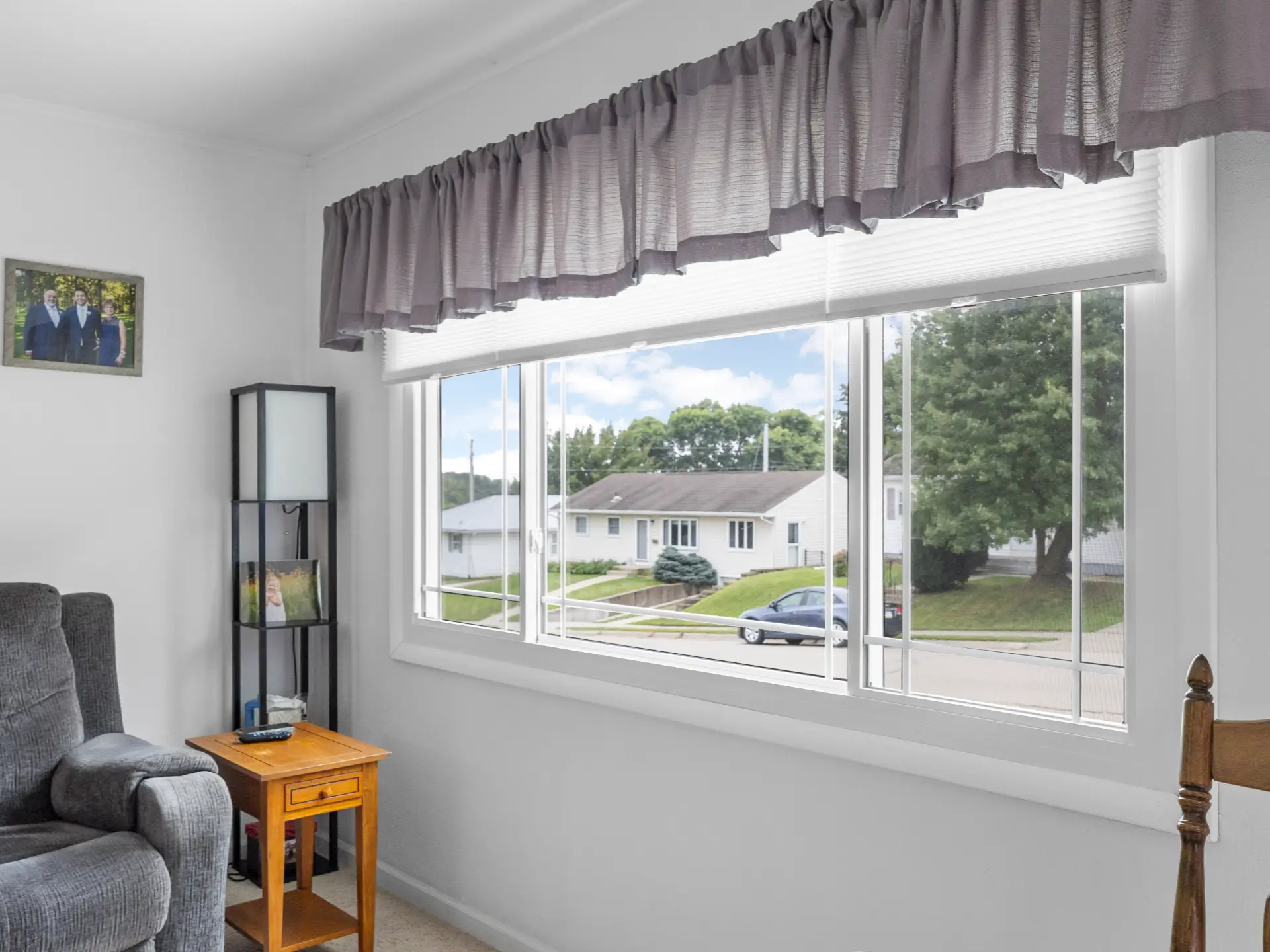
Most homeowners start a window project thinking about performance. Will these keep the January wind where it belongs, which is outside? Will they finally quiet the draft that has you nudging the thermostat up all winter? Those are the right questions to ask first. But once the conversation turns to picking actual windows, a second set of questions shows up fast, and they focus on style and type. What kind of window is this? Why does that one crank open while this one slides up? Which style belongs over the kitchen sink, and which one works best in the bathroom?
At Hometown Restyling, we walk homeowners through these choices every week, from Cedar Rapids and Iowa City to Marion, North Liberty, Coralville, Waterloo, Cedar Falls, and the Quad Cities. The good news is that window “types” are far less complicated than they first appear, once you understand how each one opens and where it tends to fit best.
This week’s StraightTALK breaks down the most common window styles, the differences between them, and how to match the right window to each room in your home. If you have already been thinking about how your windows will look, from woodgrain finishes to grids and frame color, we cover that side of the decision in Wood Windows, Grids, Tint, and Frames: Window Style for Your Eastern Iowa Home. Here, we are focused on how windows work and where they belong.
What are the most common types of windows in Eastern Iowa?
The most common window types are double-hung, single-hung, casement, sliding (also called gliding), awning, picture, and bay or bow windows. Double-hung and casement are the most popular operating styles, while picture and bay or bow windows are chosen for views and natural light. Each type opens differently and suits different rooms.
Once you know what to look for, most windows sort neatly into a handful of families. Here is a quick tour of the ones homeowners ask about most.
Double-hung Windows
Two sashes stacked in a single frame, both of which slide up and down. Most models tilt inward so you can clean both sides from inside the house. This is the classic, versatile look that fits most Eastern Iowa homes.
Single-hung Windows
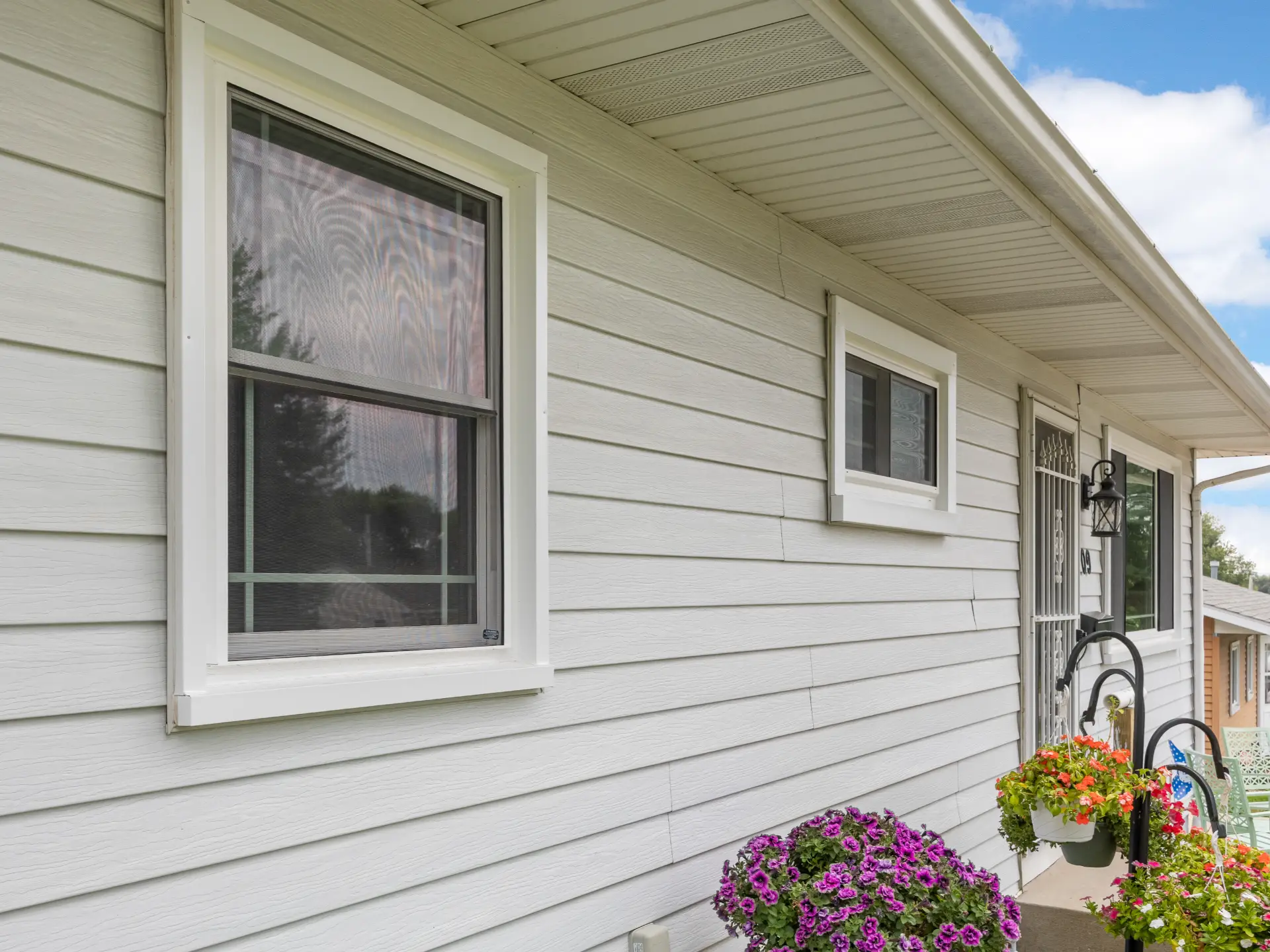
Looks nearly identical to a double-hung from the curb, but only the bottom sash moves while the top stays fixed. Fewer moving parts usually means a lower price point.
Casement Windows
Hinged on the side and opened with a crank handle, swinging outward like a small door. Casements open fully, which makes them strong on ventilation, and they seal tightly when closed.
Sliding (Gliding) Windows
The sash glides side to side along a track rather than moving up and down. A practical choice for wide openings and spots where reaching up to lift a sash would be awkward.
Awning Windows
Hinged at the top and opening outward from the bottom. Because the glass angles down and out, an awning window can stay cracked for fresh air during a light Iowa rain shower.
Picture Windows
A fixed window that does not open at all. With no moving parts, it delivers the most glass, the best view, and excellent energy performance.
Bay and Bow Windows
Several windows joined at angles that project outward from the wall. These windows add dimension, light, and even a bit of usable space. A bay window typically combines a few units at sharper angles, while a bow uses more units in a gentle curve.
You will also run into specialty styles now and then, such as hopper windows that are common in basements. For most homeowners, though, the decision comes down to a mix of the types above, chosen room by room.
StraightTALK Remodeling Tip
Do not get hung up on memorizing every window name. The more useful question is how you want each window to open. Once you know whether you want it to slide, crank, or stay fixed for the view, the right type tends to reveal itself. And we promise there is no vocabulary test at the end of your consultation.
What’s the difference between a double-hung and a single-hung window?
The difference in double-hung (DH) and single-hung (SH) windows comes down to which sashes move. In a double-hung window, both the top and bottom sashes slide up and down, and most tilt inward for easy cleaning. In a single-hung window, only the bottom sash moves while the top stays fixed. Double-hung windows offer more flexible ventilation and easier cleaning, while single-hung windows usually cost a bit less.
From the outside, these two look like twins. The differences are all in how they operate and what that means for you day to day. If you’ve ever fought with a sash that has been painted shut since a few presidents ago, you already know operation is not a small detail.
Ventilation and Airflow
With a double-hung window, you can lower the top sash, raise the bottom sash, or open both at once. That flexibility lets warm air escape through the top while cooler air draws in through the bottom, which is a nice advantage on a muggy summer afternoon. A single-hung window only opens from the bottom, so your airflow options are more limited.
Cleaning
This is where double-hung windows earn their pricetag. Because both sashes tilt inward, you can wash the inside and outside of the glass without ever leaving the room. On a second-story window, that is the difference between wiping the glass in your socks with your coffee nearby and balancing on a ladder in a spring breeze, squeegee in hand, wondering why you started. A single-hung window’s fixed top sash makes cleaning the exterior of that pane far harder once it is installed upstairs.
Cost and Mechanical Simplicity
Single-hung windows have fewer moving parts, so they typically cost less. For a rarely opened window in an out-of-the-way spot, that trade-off can make sense. Many homeowners across Eastern Iowa still lean toward double-hung windows for the cleaning access and airflow, especially on upper floors where reaching the outside glass is a chore.
StraightTALK Remodeling Tip
If you plan to clean your own windows, especially on a second story, the tilt-in convenience of a double-hung is worth a close look. It is one of those features you appreciate every single time, not just on installation day.
Do all windows have the same viewing area?
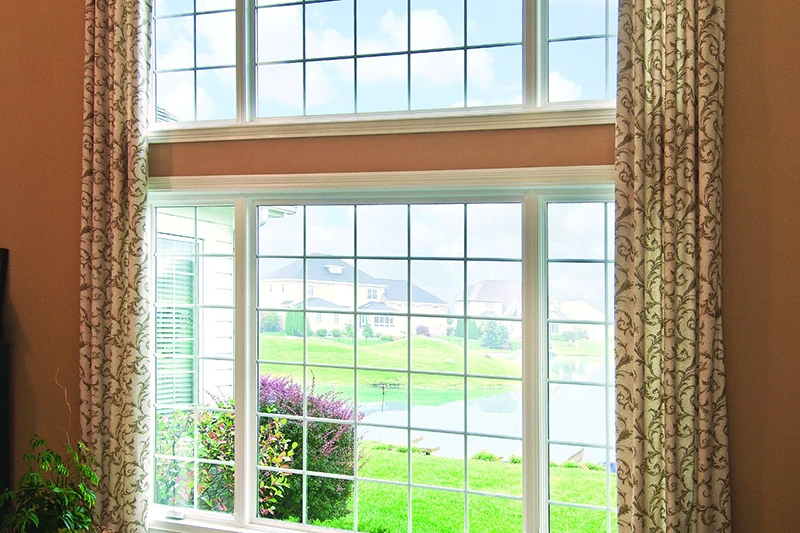
No. Viewing area, meaning the amount of glass you can actually see through, changes with the window type. Picture windows offer the most unobstructed glass because they never open. Operating windows include sashes, frames, and rails that take up part of the opening, so a casement window often shows more open glass than a double-hung of the same overall size.
When two windows fill the same size opening, they will not always give you the same view. The style itself determines how much of that opening is glass and how much is frame and hardware.
Why the View Changes by Window Type
A picture window is a single sheet of glass in a frame, so it maximizes what you see. As soon as a window needs to open, it adds parts that interrupt the glass. A double-hung window, for example, has a meeting rail, which is the horizontal bar across the middle where the two sashes overlap. That rail divides the view into upper and lower sections. A casement window has a single sash with no meeting rail, so the same-size opening looks like a single simpler sheet of glass. Sliding windows include a similar dividing rail where the panels meet.
Window Frame Thickness and Grids Play a Role Too
How much frame you see, versus how much glass, is part of the picture as well. Frame thickness and grid patterns both change the viewable glass, and we cover both in detail on the style side in Wood Windows, Grids, Tint, and Frames. Slimmer frames and grid-free glass show more view, while heavier frames and grids trade a little view for strength or traditional character.
Bay and Bow Windows Add a Different Kind of View
Bay and bow windows change the viewing area in the other direction. By projecting outward and angling the glass, they open up a wider, almost panoramic sightline and pull in light from more than one direction. If a clear, expansive view of the backyard is the goal, the window type matters just as much as the size of the hole in the wall.
StraightTALK Remodeling Tip
If a wide, clean view is a priority, such as looking out over a scenic yard, lean toward a picture or casement window. If you would rather have the window open, just know the meeting rail is part of the deal, and plan the view around it.
What are mulled windows, and should I combine my windows or install them separately?
Mulled windows are two or more window units joined together into a single, larger assembly, connected by a piece called a mullion. Whether to mull windows into one unit or install them separately depends on the size of the opening, the look you want, the structural support available, and how you plan to use the space.
This one sounds technical, but the idea is simple enough once you understand the vocabulary.
StraightTALK Definitions
- Mullion: the vertical or horizontal piece that joins two window units together. When windows are “mulled,” they are combined into one larger window using mullions, so several units look like a single expanse of glass rather than separate openings.
Why Homeowners Choose to Mull Windows
Mulling is an excellent option for homeowners seeking a stylish look. By combining window units, you create a seamless view with fewer visible frames, enhancing the design. A great example is a picture window flanked by double-hung or casement windows, transforming into a magnificent feature above a living room couch or kitchen sink, adding elegance and charm to the space.
What to Consider Before Combining Window Units
A mulled unit offers a spacious design but can be heavier, affecting handling and installation. It’s important to consider what’s above the opening. Wider openings put more strain on the header, which is critical for structural support. In Eastern Iowa, windows must withstand wind and snowy winters. Planning ahead is essential; larger units may lead to more extensive repairs than smaller windows. With this knowledge, you can ensure your windows remain durable for years.
When Separate Windows Make More Sense
Installing windows separately offers great flexibility, allowing you to combine different styles and match existing openings. For bedrooms, ensure at least one window opens wide enough for emergency exits. If you’re considering a fixed glass wall, include a functional escape window in your design. Don’t forget to check egress sizing requirements with your local building department before finalizing your plans.

How do I choose the right window style for each room?
Choose window styles room by room based on how you use the space: ventilation, egress, cleaning access, view, and moisture all play a role in your decision. Casements suit kitchens and hard-to-reach spots, awnings fit bathrooms and basements, sliders work in wide or low openings, and picture, bay, and bow windows shine where views and natural light make the room.
There is no single “best” window, only the best window for a given room in your own home. Here is how the styles tend to line up around the house.
Kitchen Windows
The window over the sink is the classic puzzle. Reaching across a deep counter to wrestle a heavy sash open, usually with a sleeve trailing through the dish suds, gets old fast. So a casement window is a favorite here. Its crank handle is easy to operate at arm’s length, no leaning or straining required. A sliding window is another comfortable option for that reach.
Bathroom Windows
Bathrooms require two things from windows: privacy and moisture control.
An awning window is a strong fit because it can stay open for ventilation even during a light rain, helping clear the steam so the mirror is usable again before you are late for work. Pair it with obscure or privacy glass so you get light and airflow without the view in or out.
Bedroom Windows
Bedrooms are where egress comes first. At least one window must open wide enough to allow escape in an emergency, and double-hung, casement, and some sliding windows can all be configured to meet that requirement. Beyond safety, bedrooms benefit from easy operation and good airflow for comfortable sleeping.
Living Room and Great Room Windows
This is the place to show off. Picture windows and bay or bow windows deliver the view and the flood of natural light that make a main living space feel open. Mulled combinations, such as a large fixed pane flanked by operating windows, give you both the view and the option to let a breeze through.
Basement Windows and Tight Spots
Below grade and in low or narrow openings, sliding, awning, or hopper styles work well because they don’t require vertical reach. If a basement includes a bedroom, that space needs a proper egress window too.
What’s the difference between a double-hung and a casement window?
This is the comparison we hear most once homeowners get past single-hung versus double-hung. Both are excellent windows, but they open in completely different ways.
A double-hung window has two sashes that slide vertically, offers a traditional look that suits most homes, keeps its screen on the exterior, and includes that meeting rail across the middle. A casement window is a single sash hinged on the side that cranks outward. Because it swings fully open, a casement moves more air and can even catch a side breeze, and with no meeting rail, it gives you a cleaner, more open view. When a casement closes, the sash presses tightly against the frame, which makes for an excellent seal against drafts.
The trade-offs are straightforward. A casement opens outward, so it’s not the right pick where a walkway, deck, or patio traffic sits right outside, unless you like the idea of catching a neighbor on the shoulder. Its crank hardware is one more mechanical piece to operate and maintain. A double-hung, by contrast, stays within the wall plane and keeps things simple. Choose a double-hung for a traditional look, easy screen access, and spots where an outward swing would be in the way. Choose a casement for maximum ventilation, a tight seal, and an unobstructed view.
StraightTALK Remodeling Tip
Walk your home one room at a time and ask two questions at every window: how do I want this to open, and what does this room actually need? Privacy, airflow, a clean view, an emergency exit. The answers usually point straight to the right style before anyone talks price.
StraightTALK Wrap-Up
Window styles come down to how you live in each room, not just how the windows look from the driveway. A casement that makes the kitchen sink effortless, an awning that keeps the bathroom fresh, a picture window that frames the backyard, and a double-hung that cleans itself from inside on the second floor are all “right” answers, just for different rooms and different needs.
The best way to make these calls is to see the options in person and picture them in your own home. If you are weighing window styles and types for your home anywhere across Eastern Iowa, from Cedar Rapids and Iowa City to Waterloo, Cedar Falls, and the Quad Cities, the team at Hometown Restyling is glad to walk through the choices with you and help you find the right fit room by room. You can learn more about our replacement window options on our windows page.
And if you are still deciding whether it is time to replace at all, start here: 5 Important Questions to Ask Before Replacing Your Windows.
1. What are the most common types of windows in Eastern Iowa?
The most common window types are double-hung, single-hung, casement, sliding (also called gliding), awning, picture, and bay or bow windows. Double-hung and casement are the most popular operating styles, while picture and bay or bow windows are chosen for views and natural light. Each type opens differently and suits different rooms.
2. What’s the difference between a double-hung and a single-hung window?
The difference in double-hung (DH) and single-hung (SH) windows comes down to which sashes move. In a double-hung window, both the top and bottom sashes slide up and down, and most tilt inward for easy cleaning. In a single-hung window, only the bottom sash moves while the top stays fixed. Double-hung windows offer more flexible ventilation and easier cleaning, while single-hung windows usually cost a bit less.
3. Do all windows have the same viewing area?
No. Viewing area, meaning the amount of glass you can actually see through, changes with the window type. Picture windows offer the most unobstructed glass because they never open. Operating windows include sashes, frames, and rails that take up part of the opening, so a casement window often shows more open glass than a double-hung of the same overall size.
4. What are mulled windows, and should I combine my windows or install them separately?
Mulled windows are two or more window units joined together into a single, larger assembly, connected by a piece called a mullion. Whether to mull windows into one unit or install them separately depends on the size of the opening, the look you want, the structural support available, and how you plan to use the space.
5. How do I choose the right window style for each room?
Choose window styles room by room based on how you use the space: ventilation, egress, cleaning access, view, and moisture all play a role in your decision. Casements suit kitchens and hard-to-reach spots, awnings fit bathrooms and basements, sliders work in wide or low openings, and picture, bay, and bow windows shine where views and natural light make the room.