

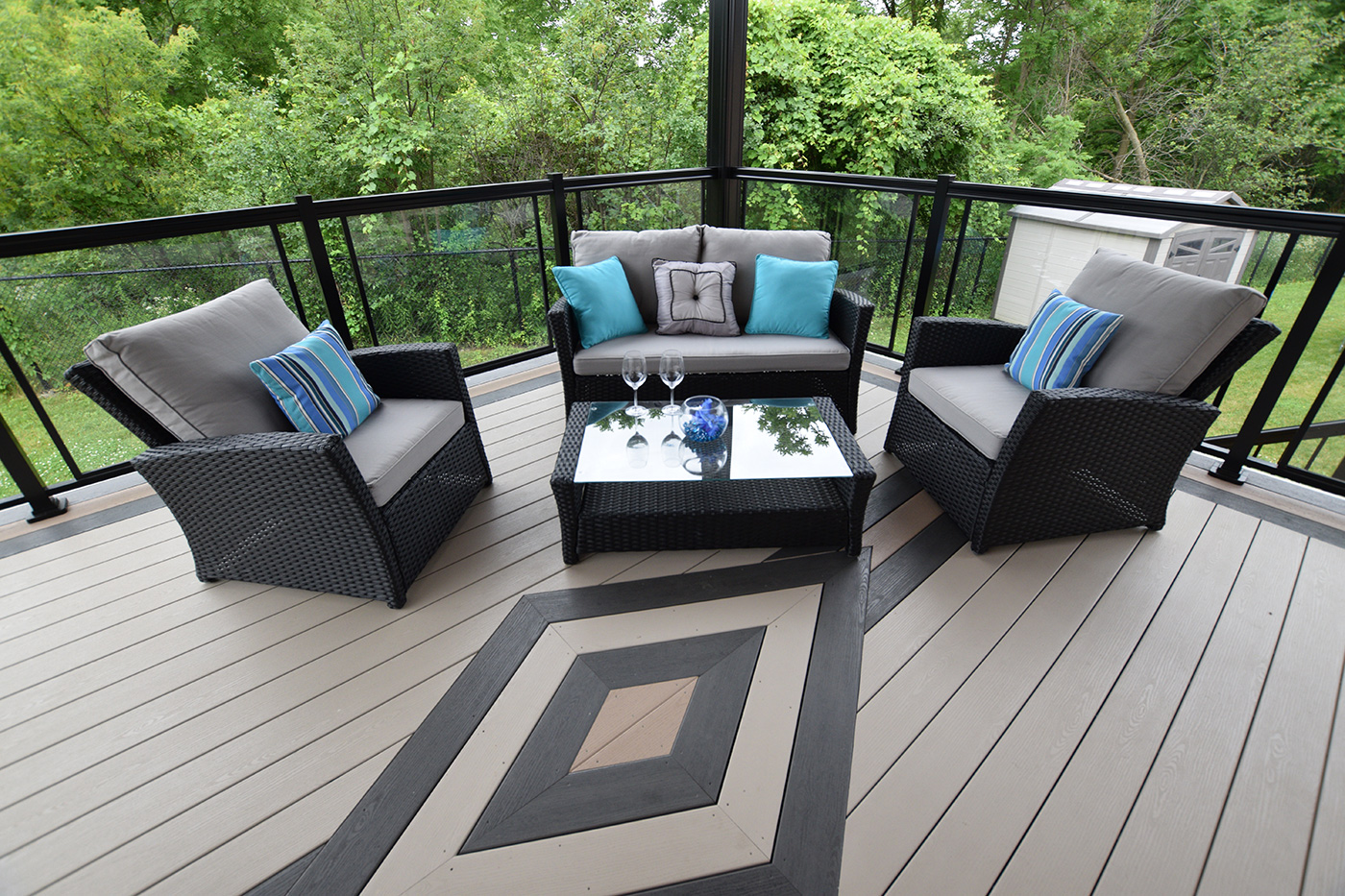
Every spring, homeowners across Eastern Iowa start eyeing their decks with the same mix of hope and frustration.
The wood is graying. A board or two feels soft underfoot. And the thought of another summer spent power washing, sanding, and staining instead of grilling starts to lose its appeal.
That is usually when the research begins. And within about five minutes, most homeowners run into a wall of confusing terms. Composite. PVC. Capped. Uncapped. Cellular. Everybody seems to use the words a little differently, and the boards all look similar in a showroom.
At Hometown Restyling, these are the questions we often field from homeowners in Cedar Rapids, Iowa City, Marion, and beyond. In this StraightTALK, we’ll break down the difference between composite and PVC decking, walk through the different types and how long they last, cover which material actually holds up best in our four-season climate, and finish with how to choose quality boards you’ll be happy with for decades.
What’s the difference between composite decking and PVC decking?
Composite decking is made from a blend of wood fibers and plastic, while PVC decking is made entirely of plastic with no wood in it at all. Because PVC has no organic material, it resists moisture, rot, and mold better. Composite tends to look a little closer to natural wood. Both require far less upkeep than a traditional wood deck.
These two materials get lumped together constantly, and it’s easy to see why. They’re both low-maintenance, they both come in wood-look colors, and homeowners often use “composite” as a catch-all term for anything that isn’t wood. But there’s a real difference under the surface, and it affects how the boards perform.
What Composite Decking Is Made Of
Composite decking combines wood fibers (sometimes sawdust or, in TruNorth’s case, rice hull fiber) with plastic, often recycled plastic. That wood content is what gives composite a grain and tone that reads a lot like real lumber, which many homeowners love.
The trade-off is that wood fiber is organic, and organic material can absorb small amounts of moisture. On older or lower-grade composite, that could eventually lead to surface mold or staining. Newer composite has largely solved this with capping, which we’ll get to in the next section.
What PVC Decking Is Made Of
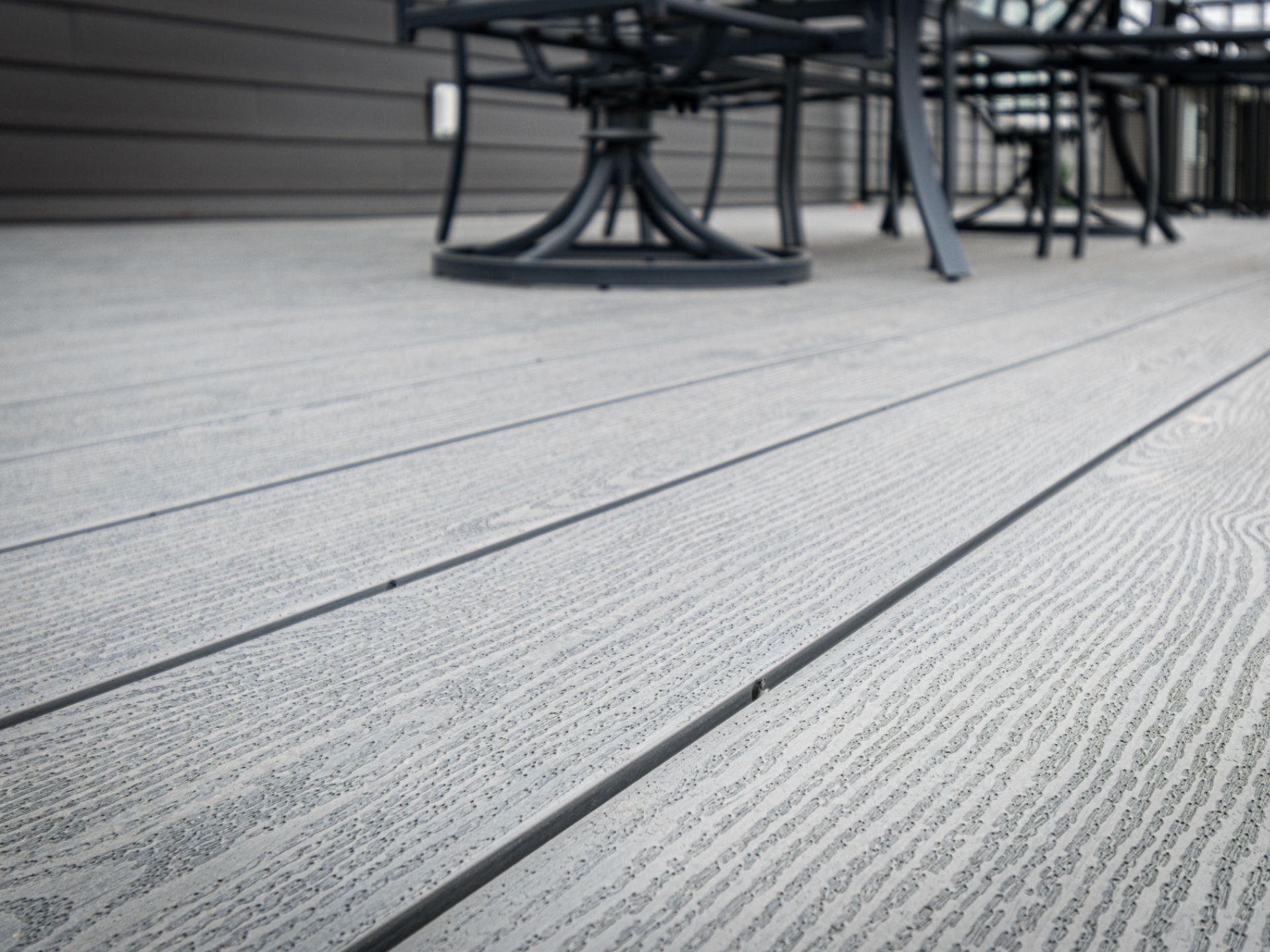
PVC decking, specifically cellular PVC, is 100 percent plastic. There’s no wood fiber in it whatsoever. “Cellular” simply refers to the foamed core that makes the board lighter without giving up strength.
Because there’s nothing organic in it, PVC doesn’t absorb moisture, and it won’t rot, feed mold, or attract insects. That can be an advantage in a climate like ours, where decks take a beating from sun, snow, rain, and humidity all in the same year.
The Type Hometown Restyling Installs Most
At Hometown Restyling, we primarily install Clubhouse Premium PVC decking by TruNorth, a cellular PVC product. We landed on PVC as our go-to because it delivers the strongest moisture resistance for Eastern Iowa conditions while still offering the wood-look colors and finishes homeowners want.
That said, “the best material” always depends on your goals, your budget, and how your deck is used, which is exactly what the rest of this guide will help you sort out.
StraightTALK Remodeling Tip
If you only remember one thing, remember this: composite contains wood fiber, PVC does not. In a wet, freeze-thaw climate, that single difference is a big reason PVC tends to hold up so well over the long haul.
What are the different types of composite and PVC decking?
The main types are uncapped composite, capped composite, and cellular PVC. Uncapped composite is the original, budget-friendly style with an exposed core. Capped composite adds a protective polymer shell for better stain and fade resistance. Cellular PVC is all plastic, the most moisture resistant of the three, and the type Hometown Restyling installs most often.
Understanding these three categories helps you compare quotes accurately, because two “composite” bids can actually be two very different products.
Uncapped Composite Decking
Uncapped composite decking is the first generation of the technology. The wood-plastic core is exposed on all sides, with no protective outer layer.
It’s usually the least expensive option, but the exposed core is more prone to fading, staining, and surface mold over time. If you’re comparing a suspiciously cheap “composite” quote to a pricier one, uncapped composite is often the reason for the gap.
Capped Composite Decking
Capped composite takes that same wood-plastic core and wraps it in a protective shell. That shell is called capping.
Capping is a thin, factory-bonded outer layer of hard polymer that seals the core from moisture and UV rays. It’s the upgrade that transformed composite decking, dramatically improving resistance to fading, scratches, and stains. When people say composite has “come a long way,” capping is the main reason why.
Cellular PVC Decking
Cellular PVC is the all-plastic option, and it’s what we install most often. With no wood fiber to protect in the first place, PVC offers top-tier moisture, mold, and rot resistance from edge to edge.
It’s also lighter than most composite and holds its color well. For homeowners who want the lowest-maintenance, most weather-resistant board available, this is typically the answer.
StraightTALK Remodeling Tip
When you request a quote, ask exactly which of these three you’re being priced for. “Composite” on a proposal could mean an entry-level uncapped board or a premium capped one, and the difference shows up years later in how the deck looks and performs.
How long does composite decking last?
Composite decking commonly lasts around 25 to 30 years, and quality cellular PVC decking can last even longer, which is why premium boards often carry limited lifetime warranties. By comparison, a well-maintained wood deck usually lasts about 10 to 15 years. Actual lifespan depends heavily on the material’s quality, the installation, and climate exposure.
Lifespan is one of the biggest reasons homeowners make the switch. A wood deck can look beautiful the day it’s built, but keeping it that way is a recurring project.
What actually affects how long a deck lasts?
- Capping or material type. Capped composite and cellular PVC outlast uncapped composite and wood because they shrug off moisture.
- Installation quality. Even the best board fails early if it’s fastened poorly or the frame beneath it isn’t sound.
- Fastening method. Hidden fastening systems reduce the surface penetrations where water can work its way in.
- Climate exposure. Full sun, standing water, and freeze-thaw cycles all speed up wear, which matters a lot here in Iowa.
.Why The Warranty Is A Useful Clue
You can’t test a deck’s lifespan in a showroom, but the warranty gives you a strong hint about how long the manufacturer expects it to last. Premium PVC and capped composite boards frequently come with limited lifetime product warranties, and at Hometown Restyling we back our installations with a lifetime workmanship warranty on top of that.
A generous warranty is essentially the manufacturer betting on the product’s longevity, so it’s worth reading closely when you compare options.
How This Compares To Wood Decking
The wood versus composite question deserves its own deep dive, and we covered the full maintenance and cost picture in our article on 5 ways to make the most of your deck. The short version: wood can last, but only with consistent staining, sealing, and board replacement. Low-maintenance decking is built to last longer with far less effort.
StraightTALK Remodeling Tip
Don’t judge lifespan by the sticker price alone. A board that costs more upfront but lasts twice as long, with none of the annual staining, often ends up being the more economical choice over the life of the deck.
What is the best decking material for Eastern Iowa’s climate?
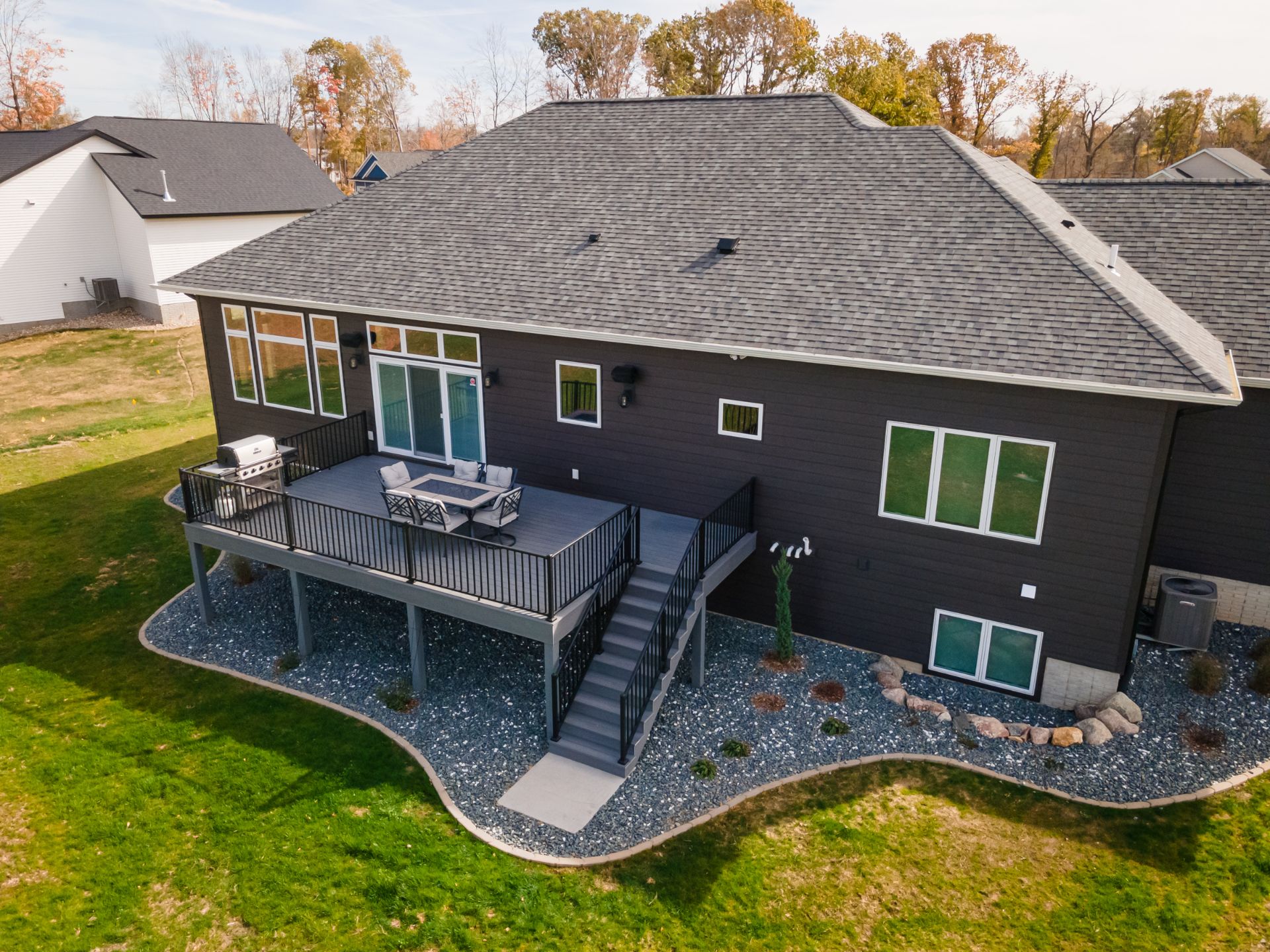
For Eastern Iowa’s freeze-thaw winters and humid summers, cellular PVC and capped composite are the best decking materials. Because they resist moisture, they hold up to the expansion, contraction, and dampness that cause wood to warp, crack, and rot. That moisture resistance is the single biggest reason maintenance-free boards perform so well in a four-season climate.
If you’ve lived through a few Iowa winters, you already know our weather doesn’t do anything halfway. We can see subzero mornings and 90-degree afternoons in the same calendar year, and our decks have to survive all of it.
The Freeze-Thaw Problem For Decks
Freeze-thaw cycles are hard on building materials. Water seeps into a surface, freezes, expands, and pushes the material apart from the inside. Repeat that dozens of times each winter across Cedar Rapids, Coralville, and North Liberty, and you understand why wood decks crack and split over time.
Materials that don’t absorb water largely sidestep this problem. That’s the core advantage of cellular PVC, and a big reason it’s our primary recommendation for the region.
Why Wood Struggles Here In Eastern Iowa
Wood is porous, so it takes on moisture from rain, snow, and humidity. That moisture drives the warping, rotting, and splintering that force homeowners into a cycle of repairs. Add our temperature swings, and a wood deck needs steady attention just to stay safe and good-looking.
Why We Lean Toward PVC In Eastern Iowa
Cellular PVC checks the boxes that fit our climate. It won’t absorb moisture from weather or spills, it resists mold and rot, and its color holds up to strong summer sun. Pair that with a solid installation, and you get a deck that’s ready to use whether it’s a humid July evening in Waterloo or a crisp fall football afternoon in Iowa City.
Capped composite is a strong choice too, especially for homeowners who want that closest-to-real-wood look and are comfortable with a board that has a protected wood-fiber core.
StraightTALK Remodeling Tip
Whatever material you choose, moisture resistance should be at the top of your checklist in Eastern Iowa. Our climate is the real test, and boards that keep water out are the ones that stay flat, solid, and safe season after season.
How do I choose high-quality composite decking?
To choose quality composite decking, look closely at four things: the capping, the warranty, the manufacturer’s reputation, and the installer’s fastening method. Prioritize capped composite or cellular PVC boards, a strong limited lifetime warranty, and a proven local installer. The material matters, but a professional installation can ensure your deck performs for decades.
Once you’ve narrowed down the material, choosing a specific product comes down to quality signals. Here’s what our team tells homeowners to look for.
Check The Deck Material Capping
Confirm whether a composite board is capped or uncapped, and ideally choose capped or cellular PVC. Capping is what protects the board from fading, staining, and moisture, so it’s the difference between a board that still looks good in year ten and one that doesn’t.
Check The Deck Product Warranty
Read the warranty carefully, and pay attention to what it actually covers. A limited lifetime product warranty is a good sign, and it’s worth asking whether it covers fade and stain resistance, not just structural failure.
Check The Deck Material Manufacturer
We partner with TruNorth Decking, which manufactures both composite and PVC boards, and we primarily install their Clubhouse Premium PVC line for its durability and range of colors. A reputable manufacturer stands behind its product and keeps replacement colors available down the road.
Check The Deck Installer And Fastening Method
Even a premium board underperforms with a poor install. Ask how the boards are fastened. At Hometown Restyling, we use CAMO hidden fastening tools, which drive screws in at an angle through the sides of the boards so there are no screw heads on the walking surface. It takes longer, but it looks cleaner and leaves fewer spots for water to get in. It’s also much friendlier to bare feet.
Is composite decking worth it?
For most homeowners, yes, composite or PVC decking is worth it, especially when you factor in the years of staining, sealing, and board repairs you avoid. The upfront cost is higher than wood, but the long-term savings in time, maintenance, and replacement often make it the better value. Low-maintenance decks are also widely regarded as a strong return-on-investment home improvement.
If you’d rather spend Saturdays enjoying your deck than maintaining it, the math tends to favor low-maintenance boards. For a full breakdown of pricing, see our guide on how much a deck costs in Eastern Iowa.
StraightTALK Remodeling Tip
The best board in the world can’t fix a bad installation. When you’re comparing quotes, weigh the installer’s experience and warranty as heavily as the product itself. The two together are what deliver a deck that lasts.
StraightTALK Wrap-Up
Here’s the whole guide in a nutshell.
- Composite contains wood fiber, PVC doesn’t.
- Capped boards and cellular PVC outperform uncapped composite and wood, especially against moisture.
- And in Eastern Iowa’s freeze-thaw climate, moisture resistance is the quality that keeps a deck flat, solid, and good-looking for decades.
The right choice for your home comes down to your budget, the look you want, and how much maintenance you’re willing to take on. For most of our neighbors who want to spend more time enjoying the deck than working on it, a quality cellular PVC or capped composite board is the clear winner.
If you’re ready to explore your options, the local team at Hometown Restyling would be glad to help. We’ll come to your home, walk you through materials and colors, and recommend the best fit for your space and how you live in it. From design and material selection through delivery and installation, we handle the whole project so you can get back to grilling.
Or, check out: The Benefits of Maintenance-Free Decking.
1. What’s the difference between composite decking and PVC decking?
Composite decking is made from a blend of wood fibers and plastic, while PVC decking is made entirely of plastic with no wood in it at all. Because PVC has no organic material, it resists moisture, rot, and mold better. Composite tends to look a little closer to natural wood. Both require far less upkeep than a traditional wood deck.
2. What are the different types of composite and PVC decking?
The main types are uncapped composite, capped composite, and cellular PVC. Uncapped composite is the original, budget-friendly style with an exposed core. Capped composite adds a protective polymer shell for better stain and fade resistance. Cellular PVC is all plastic, the most moisture resistant of the three, and the type Hometown Restyling installs most often.
3. How long does composite decking last?
Composite decking commonly lasts around 25 to 30 years, and quality cellular PVC decking can last even longer, which is why premium boards often carry limited lifetime warranties. By comparison, a well-maintained wood deck usually lasts about 10 to 15 years. Actual lifespan depends heavily on the material’s quality, the installation, and climate exposure.
4. What is the best decking material for Eastern Iowa’s climate?
For Eastern Iowa’s freeze-thaw winters and humid summers, cellular PVC and capped composite are the best decking materials. Because they resist moisture, they hold up to the expansion, contraction, and dampness that cause wood to warp, crack, and rot. That moisture resistance is the single biggest reason maintenance-free boards perform so well in a four-season climate.
5. How do I choose high-quality composite decking?
To choose quality composite decking, look closely at four things: the capping, the warranty, the manufacturer’s reputation, and the installer’s fastening method. Prioritize capped composite or cellular PVC boards, a strong limited lifetime warranty, and a proven local installer. The material matters, but a professional installation can ensure your deck performs for decades.