
*Limited Time Offer* Up to $1,500 off No Maintenance Decking, or 0% Financing for 60 Months

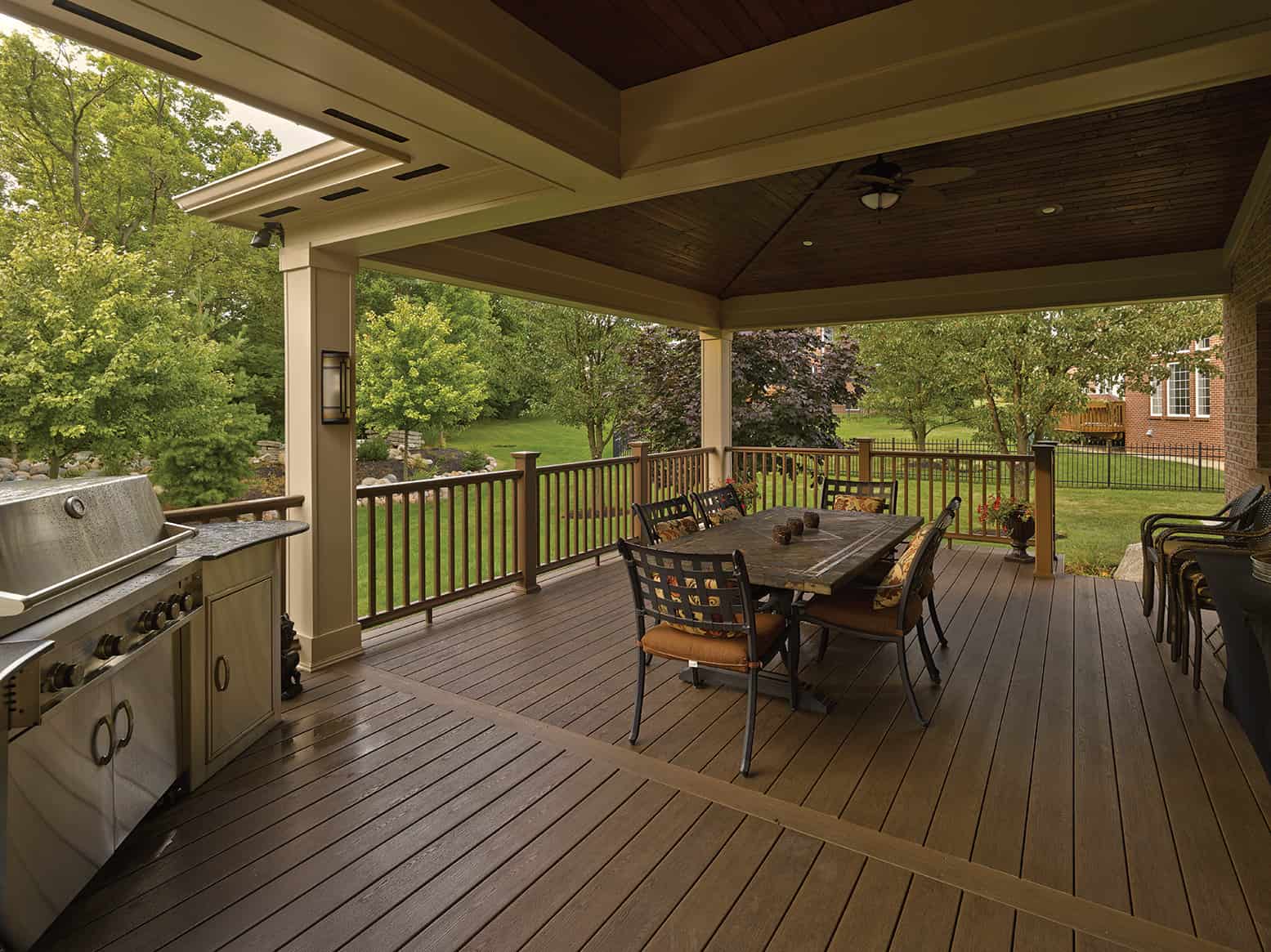
When it’s time to fire up the grill and entertain family and friends, your deck is where the action happens. Whether you’re adding a new deck or replacing your existing deck in Eastern Iowa, the friendly, local deck builders at Hometown Restyling can help!
We come to your home to guide you in choosing the best materials for your needs and making the best use of your outdoor space. From design to ordering materials through delivery and installation, Hometown Restyling handles it all so you can enjoy your new deck without the work and extensive maintenance.
Our professional installers are courteous and responsive to your ideas and vision. They also stand behind their work. We want you to love your deck for many years. That’s why we offer a lifetime workmanship warranty—so you can kick back and relax on your new maintenance-free deck.
Click the button below to request a free quote today!
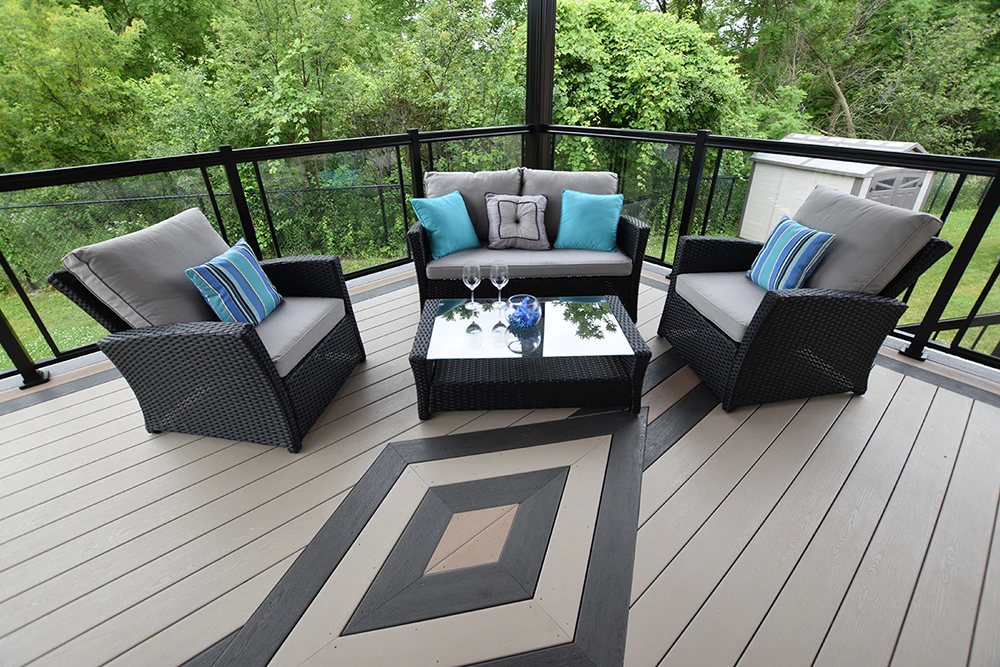
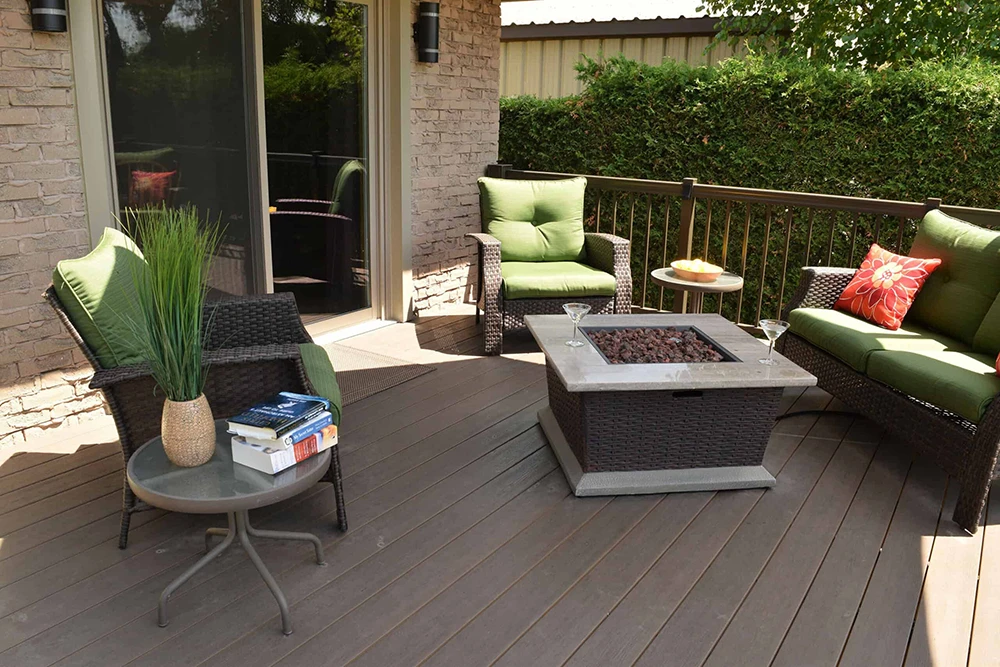
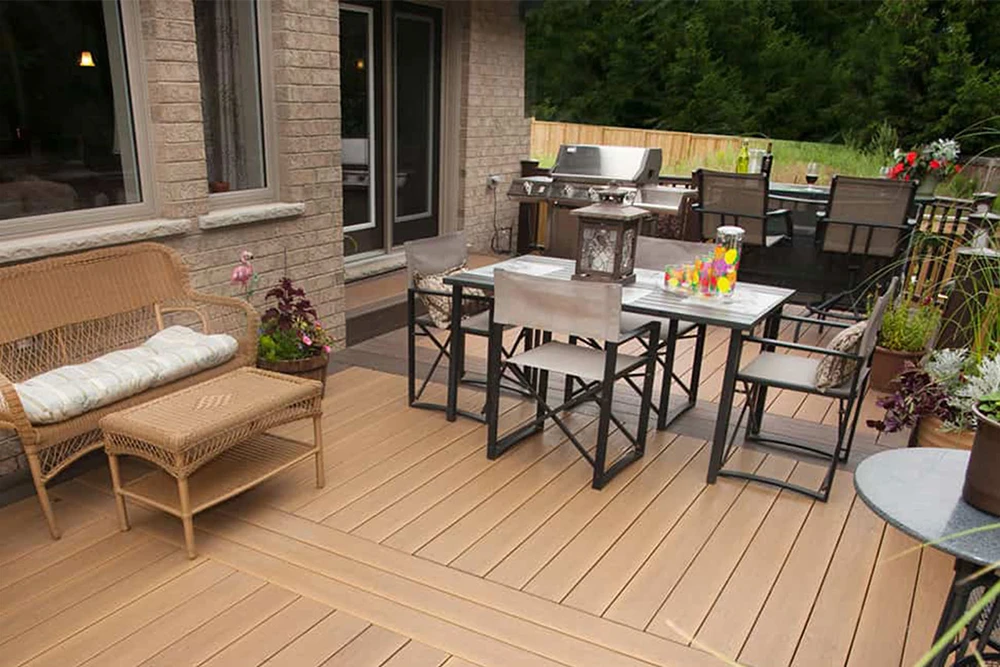
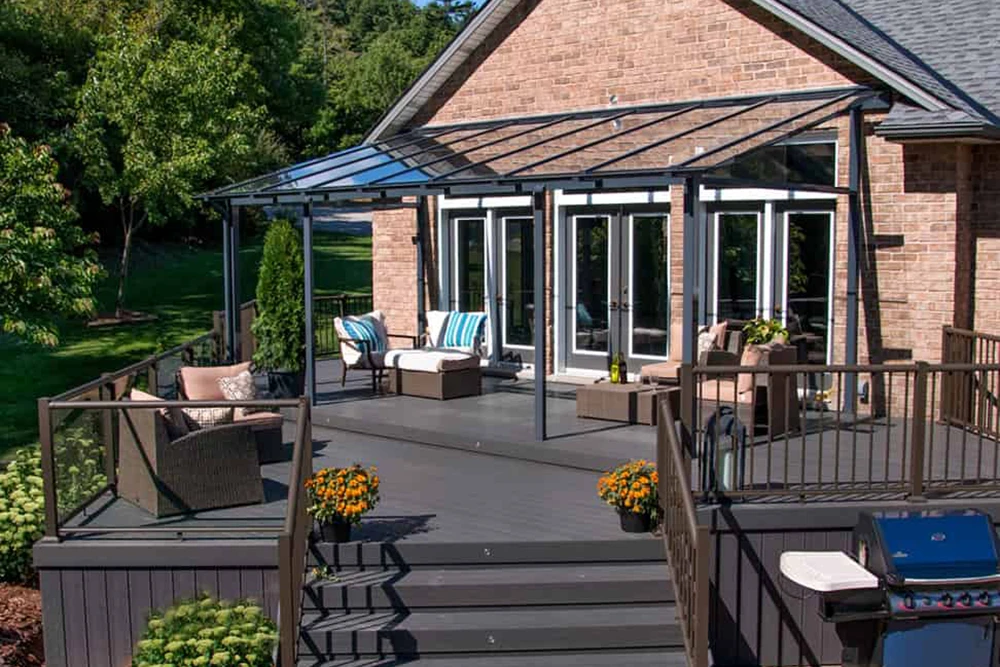
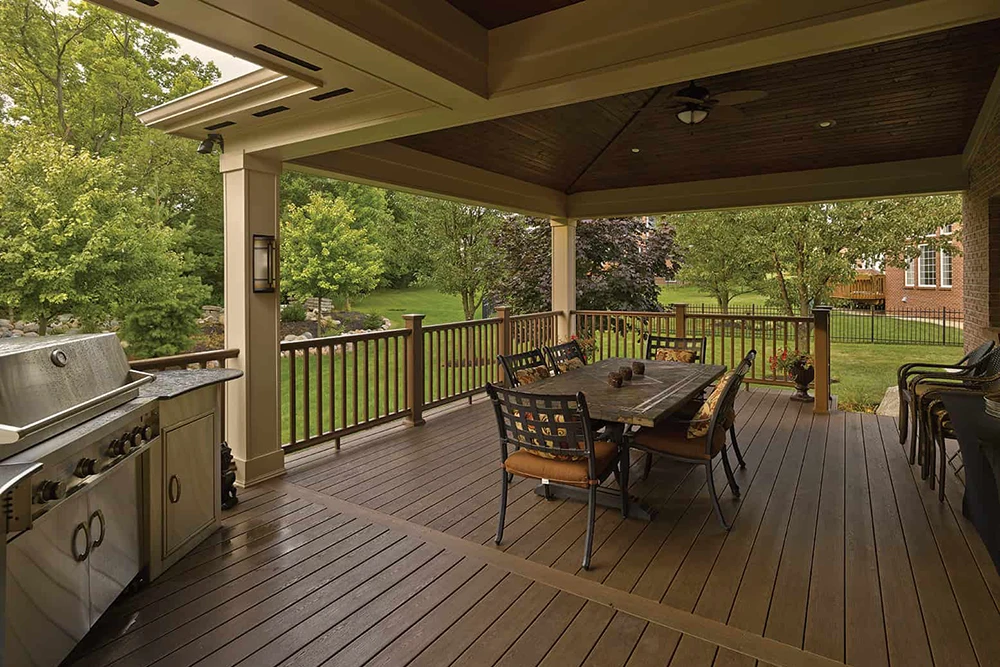
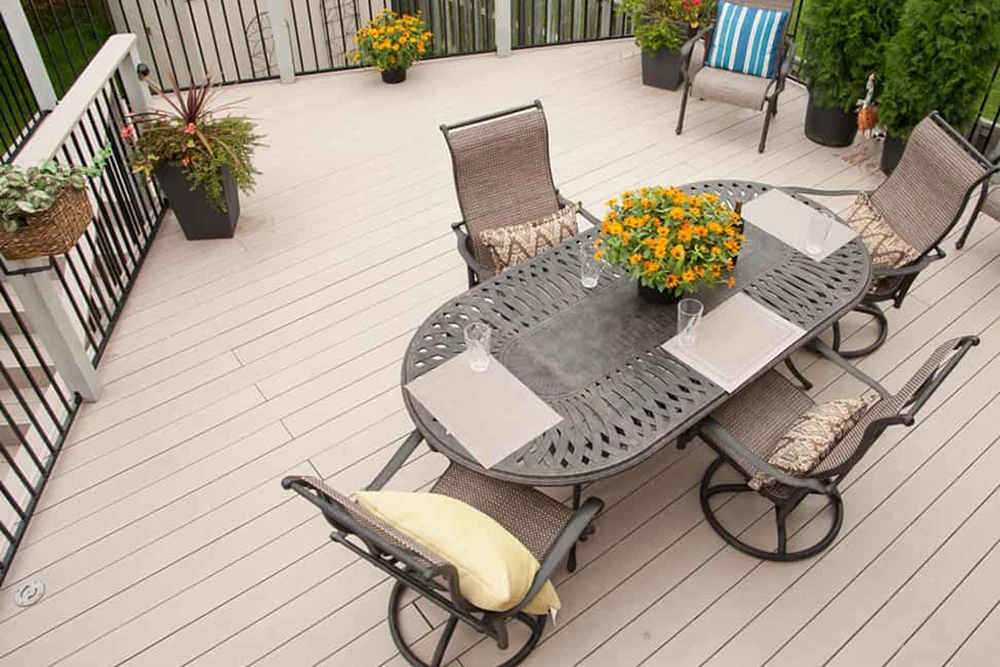
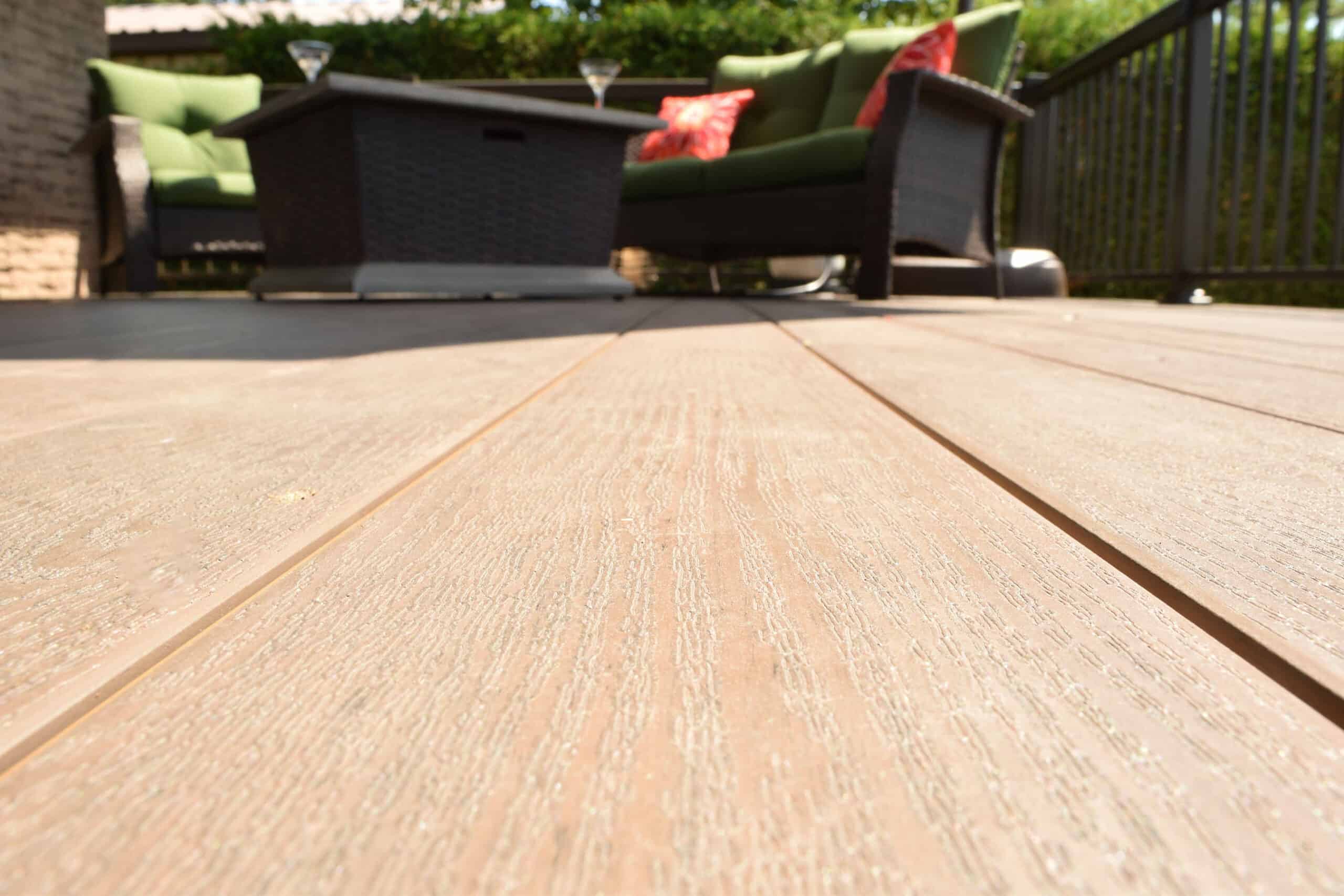
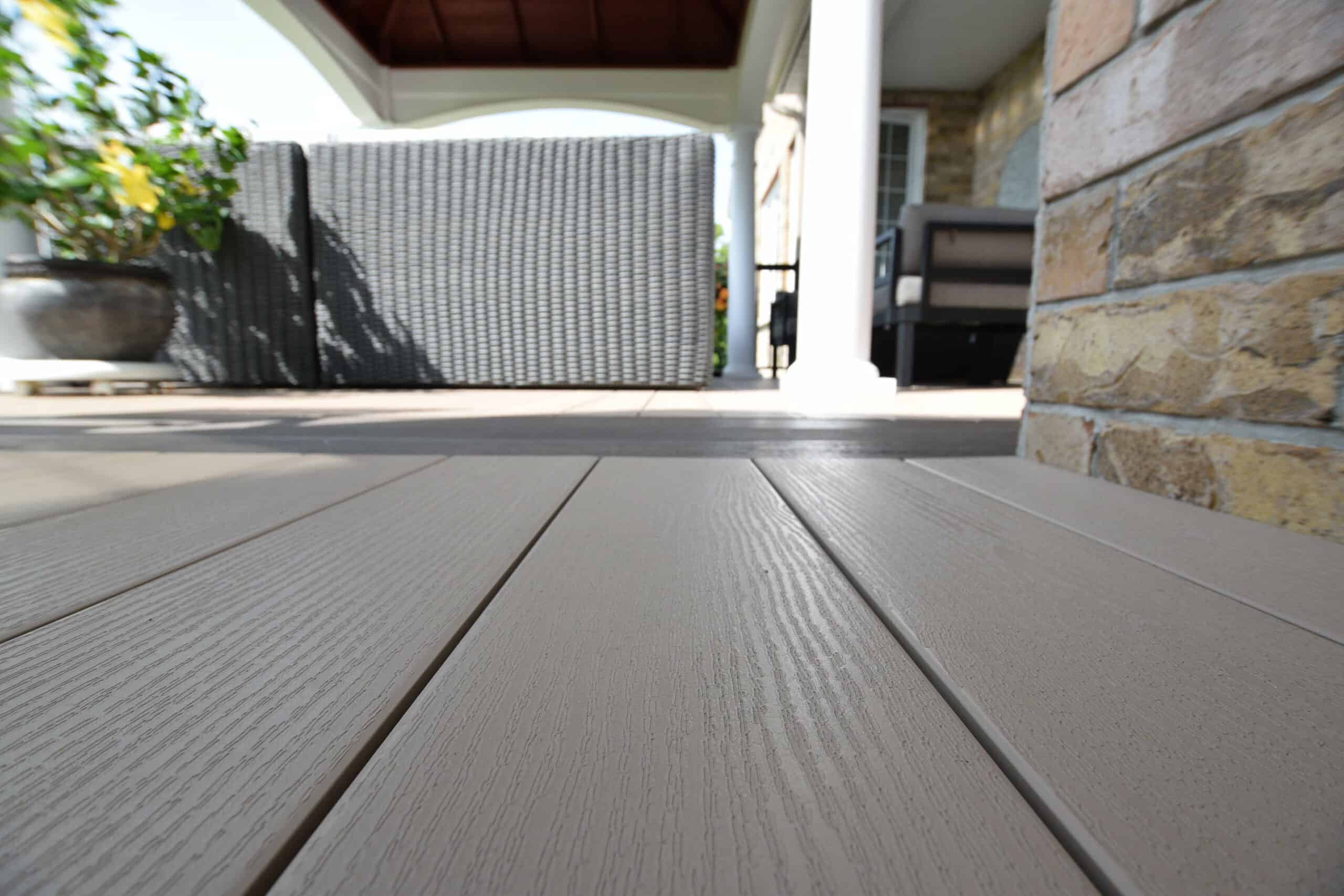
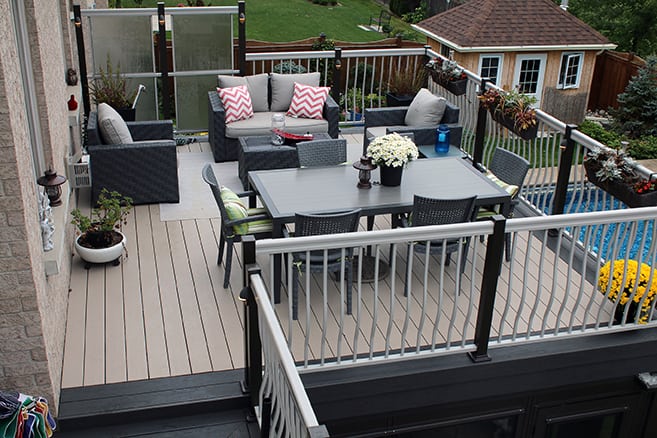
Maintenance-free decks are engineered to last a lifetime. Unlike wood decks, they don’t rot, crack, or splinter, and because they’re made of high-quality cellular PVC, you don’t have to worry about painting, staining, or sealing. To keep your deck looking great, just spray it down with a hose to remove debris and then get back to enjoying the view.
Other Benefits of Maintenance-Free Decking
Hometown Restyling partners with TruNorth Decking, the largest Canadian manufacturer of composite and PVC decking and the only Canadian manufacturer of rice hull fiber reinforced composite decking.
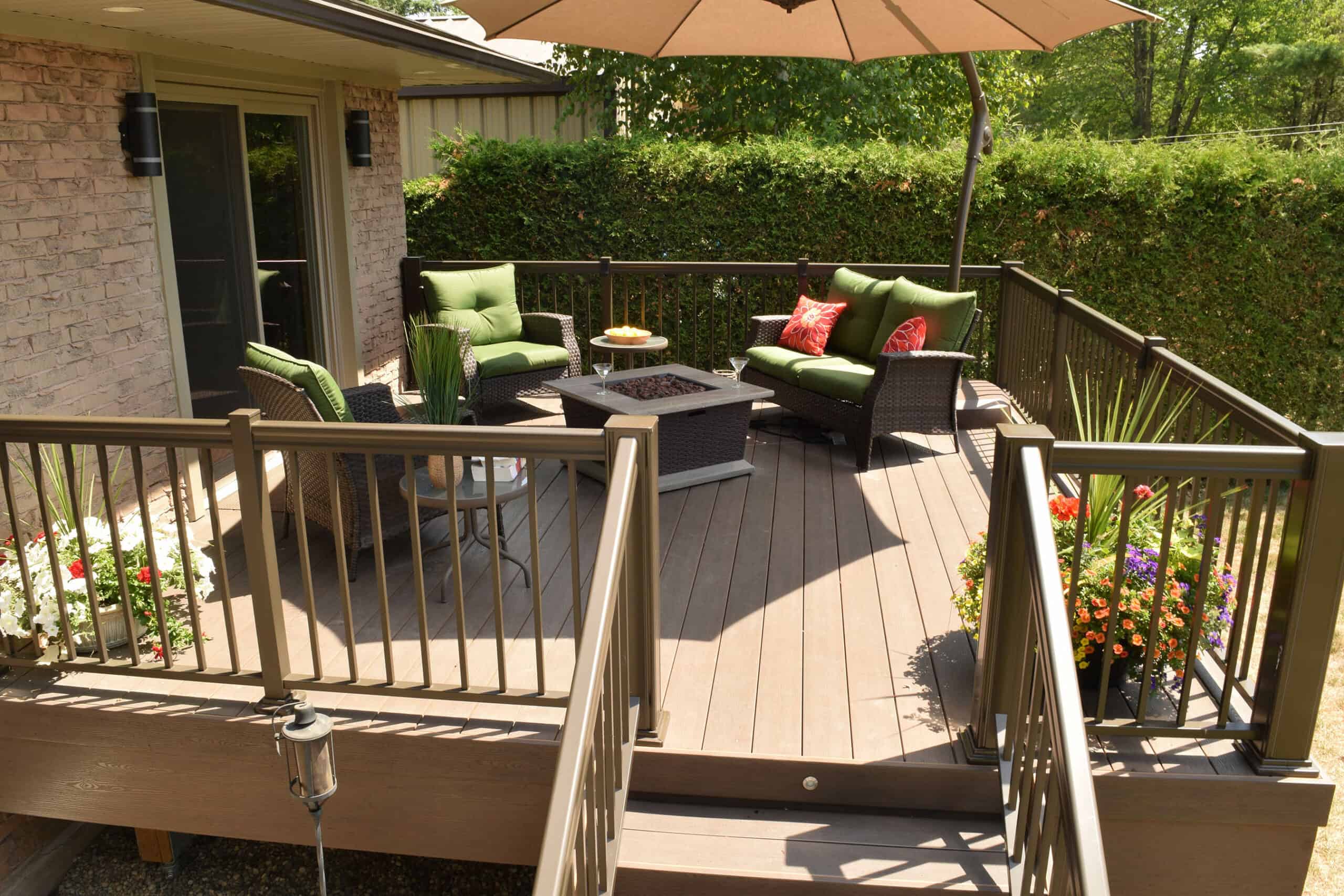
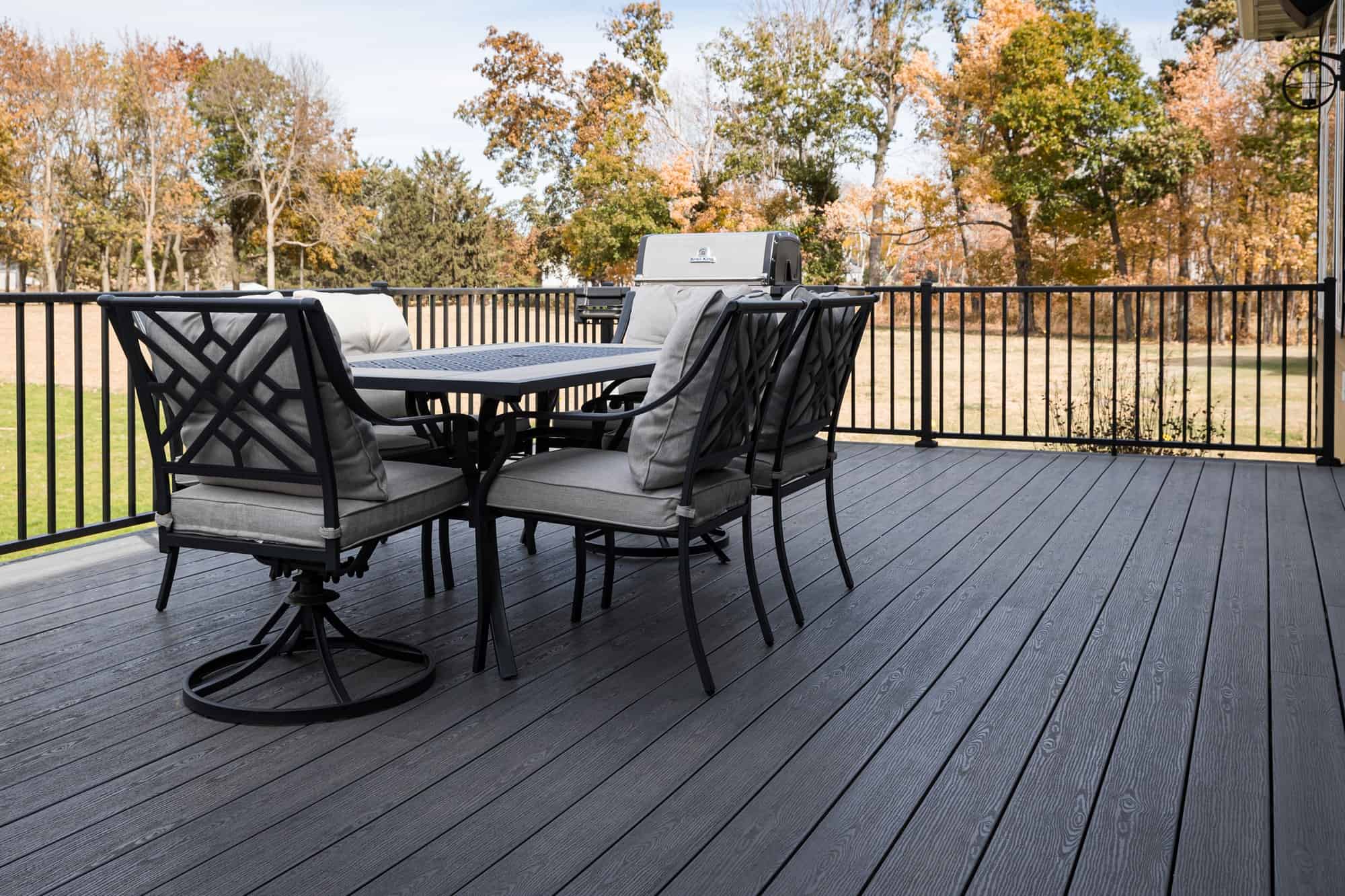
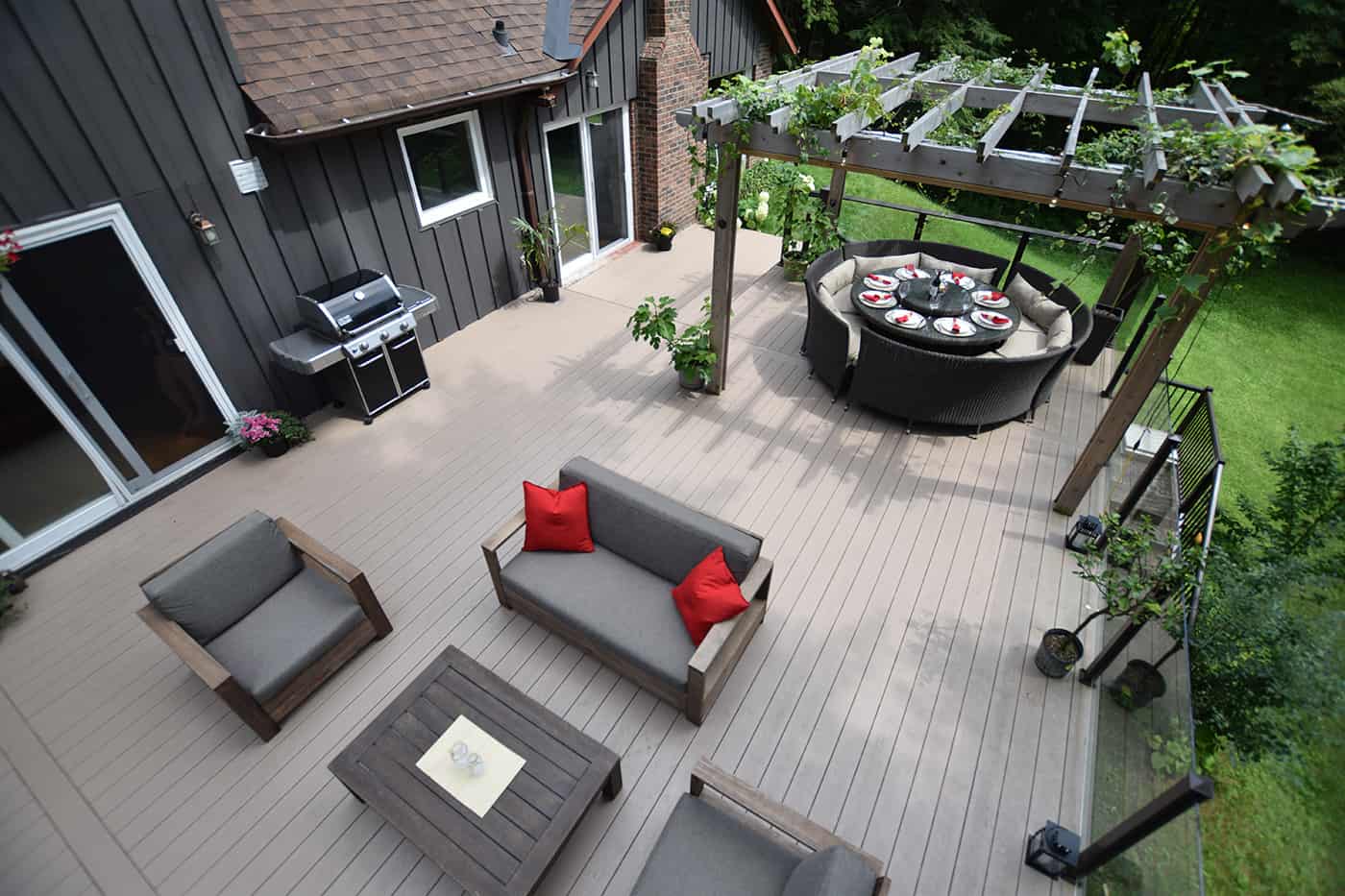
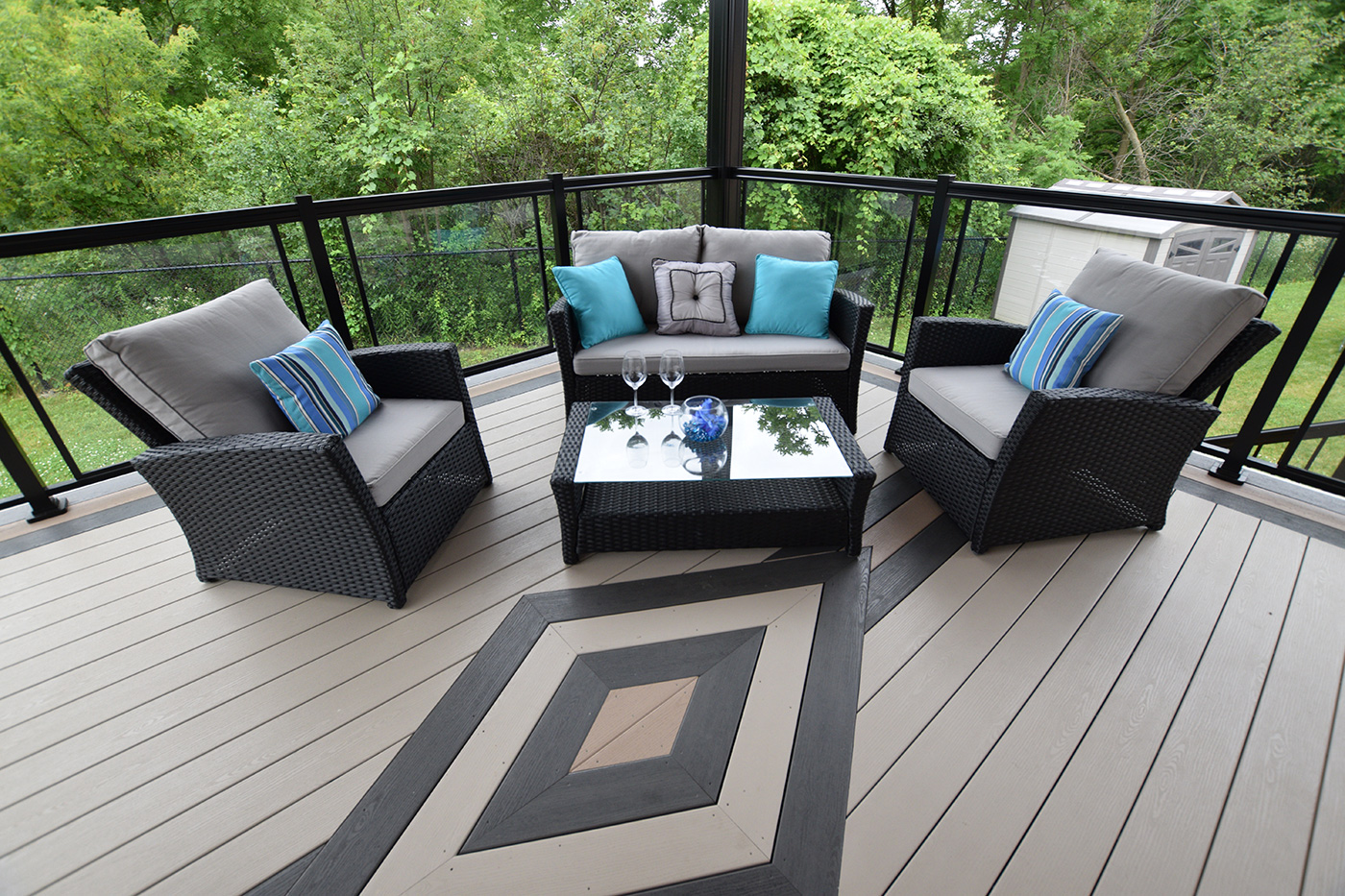
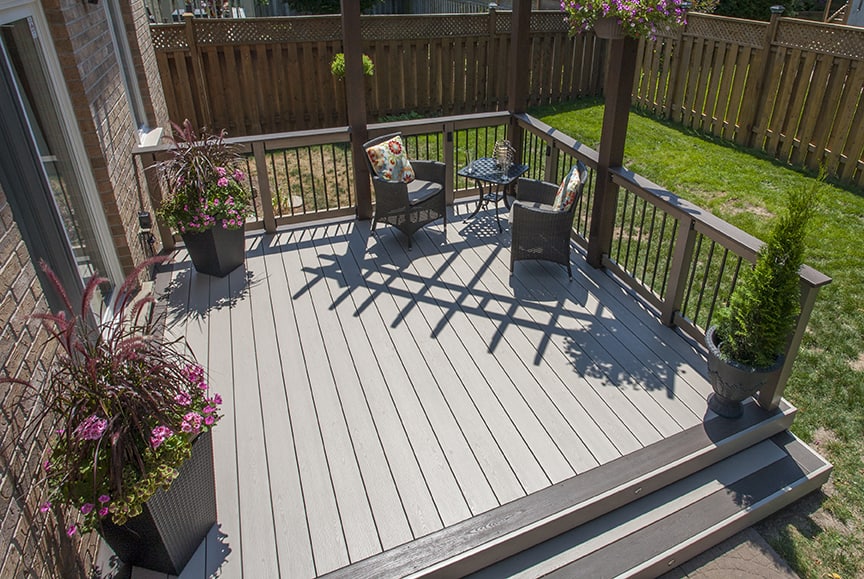
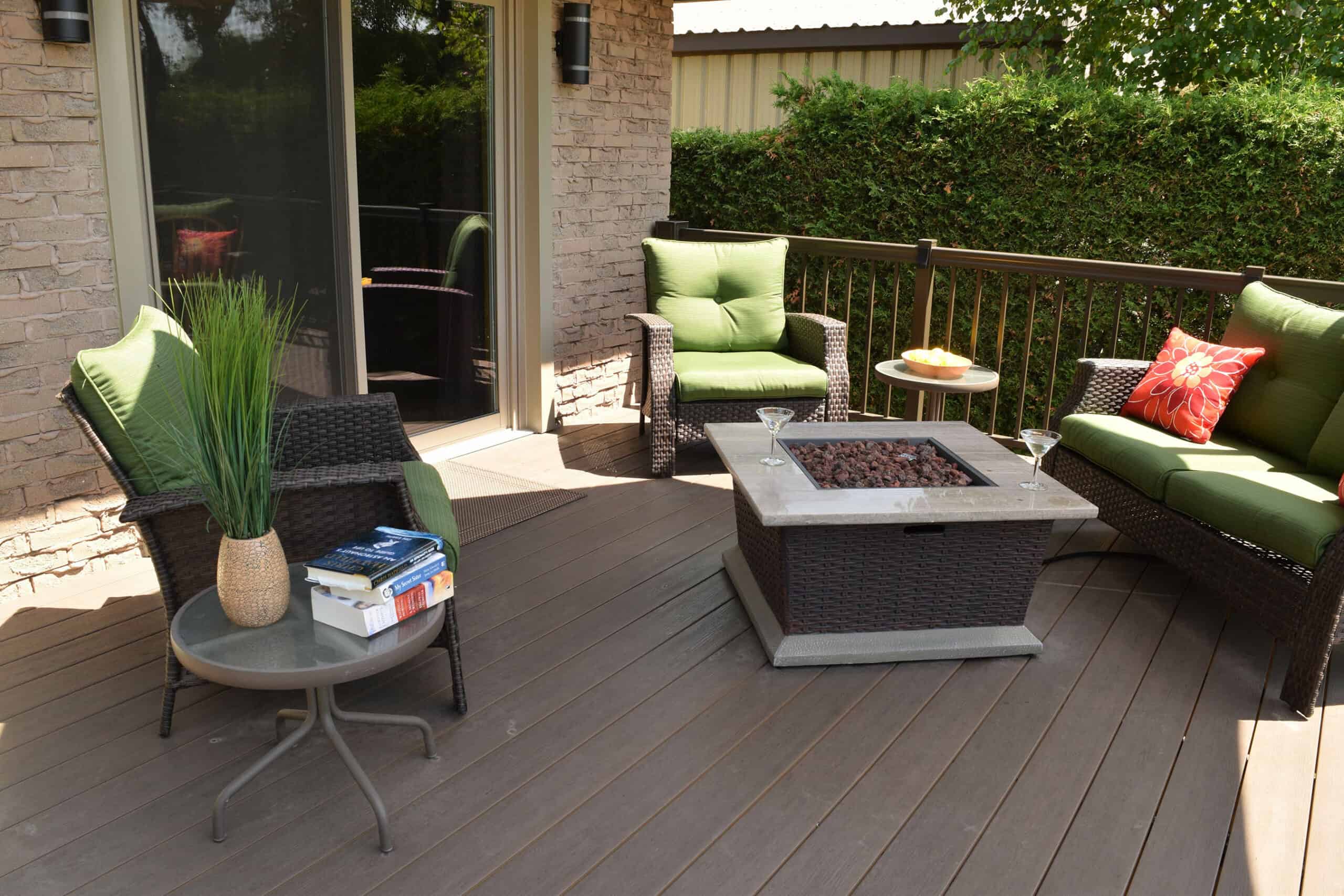
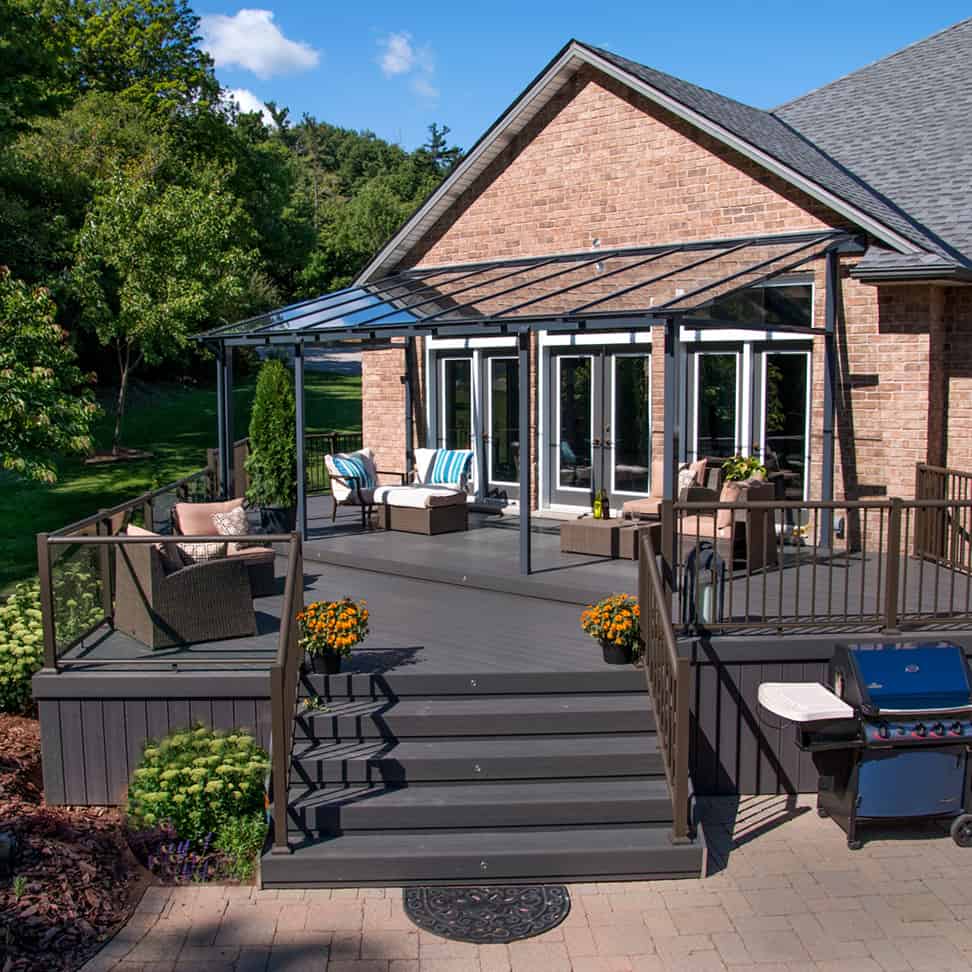
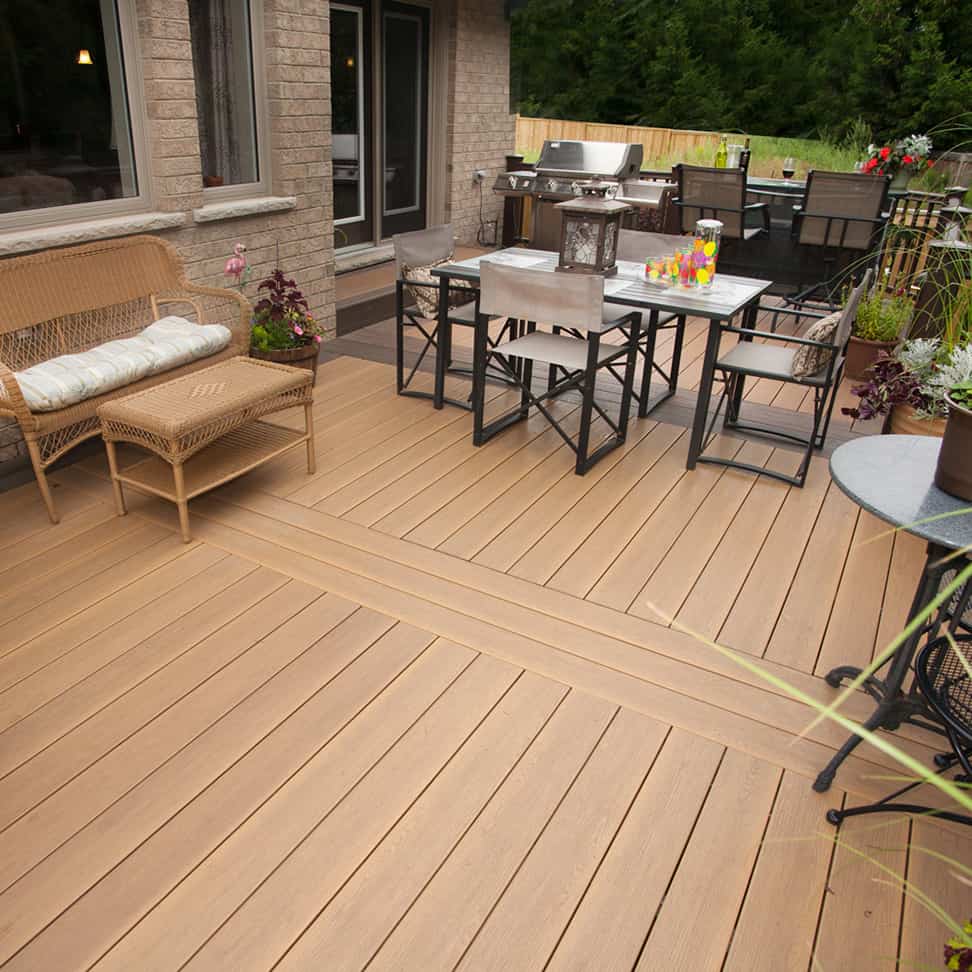
We primarily install Clubhouse Premium PVC Decking by TruNorth: a high-quality collection available in a range of colors and finishes to complement your home’s style. Browse the options and see what you love.
Dreaming of a new deck but stuck on the costs of bringing it to life? Through our zero-interest financing, we help make your dream more attainable. Getting approved is quick and easy.
A new deck in Eastern Iowa typically costs between $10,000 and $50,000 or more installed, depending on size, materials, elevation, and project complexity. Entry-level decks with basic materials generally fall between $10,000 and $15,000. Mid-range decks with better materials and more space run $15,000 to $35,000. Premium decks with high-quality cellular PVC boards, complex framing, elevated designs, or significant square footage start around $35,000 and go up from there.
Composite and cellular PVC decking costs more upfront than pressure-treated wood but delivers significantly better long-term performance with far less maintenance, which is why most Eastern Iowa homeowners, once they understand the full cost of ownership, end up choosing a low-maintenance material. The right budget isn’t just about what you spend today; it’s about what you’ll spend (or save) over the next 20 years.
Read more: How Much Does a Deck Cost in Eastern Iowa? Types, Options & Real Pricing
Pressure-treated wood has the lowest upfront cost but the highest total cost of ownership. It needs to be cleaned, stained, and sealed every couple of years, and it’s prone to warping, cracking, and splintering, especially through Eastern Iowa’s freeze-thaw cycles. Composite decking costs more upfront but resists moisture, fading, and wear far better than wood, and requires almost no maintenance. Cellular PVC is the premium option: it won’t absorb moisture at all, won’t rot, and holds its color and appearance for decades. PVC boards come with a limited lifetime warranty and are specifically engineered for four-season climates like ours.
The most honest framing: if you’re comfortable staining and sealing a deck every two years, wood is a viable starting point. If you want a deck that you can hose down and forget about, composite or cellular PVC is the right investment. And if you’re comparing quotes, make sure the material type is specified in each. A lower bid built on pressure-treated wood will end up costing more over the life of the deck once you factor in maintenance and eventual board replacement.
Read more: The Benefits of Maintenance-Free Decking
It depends. If your deck’s structural frame is still in good condition, a deck overlay (replacing just the surface boards on the existing frame) can be one of the most cost-effective upgrades you can make. You get a fresh, updated deck surface, including the option to upgrade from aging wood to composite or cellular PVC, without paying for a full rebuild. We also resurface the railing to match the new look.
A deck overlay works well when the joists and framing are structurally sound, the footings are stable and undamaged, there’s no significant rot or deterioration in the support structure, and the framing spacing is compatible with the new decking material. If any of those conditions aren’t met, especially if there’s rot in the beams or footing issues from frost heave, a full replacement is the right call. Putting new boards over a compromised frame just delays the problem.
Maintenance-free decks are engineered to last a lifetime and handle the specific stresses Eastern Iowa throws at them: freeze-thaw cycles, summer humidity, UV exposure, and heavy rain. They won’t rot, crack, or splinter. They’re resistant to mold, dents, and scratches. And they hold their color: no fading, no need to re-stain or repaint. To keep the deck looking great, you just hose it off and get back to enjoying it.
The math over time makes the upfront premium easy to justify. Wood deck homeowners can spend up to $10,000 over a 10-year span on staining, sealing, repairs, and board replacements, and still have a deck that’s showing its age. Pair that with the weekend hours spent on upkeep, and the real cost of “cheaper” material starts to look quite different. A quality maintenance-free deck comes with a limited lifetime product warranty and our own lifetime workmanship warranty, so you’re also covered if anything goes wrong.
Read more: The Benefits of Maintenance-Free Decking
In most Eastern Iowa communities, yes, a building permit is required for new deck construction and for full deck replacements. Permit requirements vary by municipality, so what’s required in Cedar Rapids may differ from Marion, Iowa City, North Liberty, or Hiawatha. Generally, any deck attached to the house or elevated above a certain height will require a permit and inspection to ensure it meets local structural and safety codes.
We handle permitting on your behalf as part of the project. It’s one of the steps that adds to the overall timeline, but it’s not optional. An unpermitted deck can create problems at resale, complicate homeowner’s insurance claims, and more importantly, may not be built to the standards that keep your family safe. If you’re timing a project around a specific season or event, starting the conversation early is the most important thing you can do.
Read more: How Much Does a Deck Cost in Eastern Iowa? Types, Options & Real Pricing
The installation itself (the actual build) typically takes one to two weeks for most projects once materials are on-site and the site is ready. The full project timeline from your first consultation to stepping onto a finished deck is usually three to six months, accounting for design, material selection, permit approval, and material lead times.
This is the detail that surprises homeowners most: the deck goes up fast, but everything that happens before the crew arrives takes time. Material lead times, permit approval, and contractor scheduling all factor in. If you want your deck done before summer, the best advice is to start planning in late fall or winter, which also tends to be the easiest time to lock in scheduling and lead times before the spring rush.
Read more: Why Fall is the Perfect Time to Consider a Deck Remodel
Fall and winter are actually the best times to plan a spring or summer deck project. If you want to enjoy your deck all summer, the fall and winter months are exactly when to start the conversation. The weather keeps the crew schedule more open, material lead times are more predictable, and your design and permit work can be completed before spring demand picks up. Many homeowners who wait until May or June to start planning find that quality contractors are already booked several weeks or months out.
If you’re hoping to entertain on a new deck by July 4th, March is your last comfortable on-ramp. If you’re reading this in the fall, you’re in the ideal window. Start the planning conversation now, and your new deck can be ready for the first cookout of next year. We also install year-round; fall and winter installations can work well for resurfacing and overlay projects where the existing structure is sound and the timeline is flexible.
Read more: Why Fall is the Perfect Time to Consider a Deck Remodel
Yes, darker deck boards absorb more solar energy than lighter colors, so they feel noticeably warmer underfoot on hot summer days. This is true for both wood and composite materials, though the exact temperature difference varies by product, color, and how much direct sun the deck receives. A deck with deep charcoal or dark brown boards that faces south or west will feel significantly hotter in the afternoon than one with lighter tones or that benefits from natural shade.
This doesn’t mean dark colors are the wrong choice. Many homeowners prefer them for their rich, modern look. But if heat underfoot is a concern and you have a sun-exposed deck, it’s worth factoring into your color decision. Pairing a lighter or medium-tone composite board with an overhead shade structure like a pergola or patio cover is a combination that dramatically improves comfort without sacrificing aesthetics.
Yes, a well-built deck consistently adds resale value and buyer appeal. Industry research has historically shown deck projects returning approximately 40–50% of their installed cost at resale. Material quality matters significantly in how that plays out: a composite or cellular PVC deck that still looks great after 10 years is an asset that buyers and appraisers notice; a weathered, cracked wood deck that needs immediate repair can actually detract from a home’s value rather than add to it.
That said, we’d encourage thinking about value beyond the sale. A quality outdoor space changes your daily life the moment it’s complete: more evenings outside, more time entertaining, more weekend mornings with coffee in the sun. For homeowners who plan to stay in their home long-term, that living value often matters far more than what the eventual buyer will notice. Choose materials and build quality that will serve you well for the life of the project, not just the listing.
Read more: How Much Does a Deck Cost in Eastern Iowa? Types, Options & Real Pricing
For cellular PVC or composite decks, winter maintenance is minimal: clear off leaves and debris before the snow season, and occasionally sweep or clear snow buildup if it becomes heavy. Avoid metal shovels or ice melt products containing calcium chloride, which can scratch composite surfaces. That’s it. No sealing, no staining, no water tests.
For wood decks, the winter prep list is more involved: sweep the deck and clear debris from gaps between boards, inspect for cracked or loose boards and repair them before freeze-thaw cycles worsen the damage, and do a water bead test after the deck has dried to check whether the sealant is still doing its job. If water soaks into the surface rather than beading up, it’s time to reseal before winter arrives. During winter, stick to a plastic shovel for snow removal and avoid rock salt, which accelerates decay. This annual maintenance cycle is one of the most common reasons homeowners end up upgrading to a maintenance-free material at their next deck project.
Read more: Why Fall is the Perfect Time to Consider a Deck Remodel